Dealing with a follicular disorder? Try these 7 powerful home fixes to smooth your skin and achieve incredible results against bumps fast.
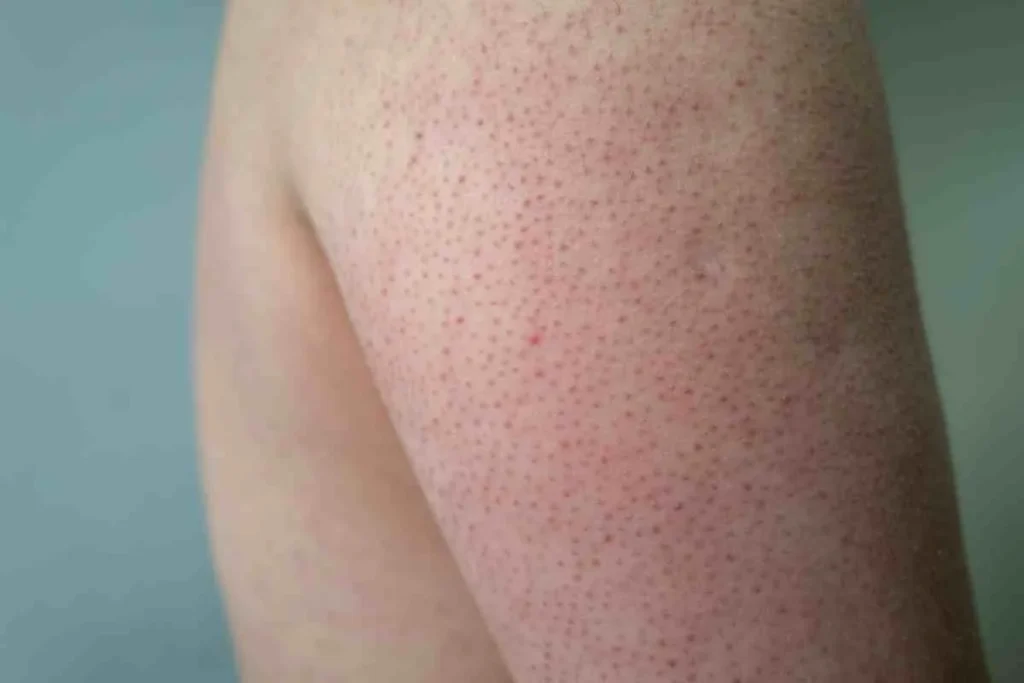
Keratosis pilaris, also known as follicular hyperkeratosis, is a common skin condition. It affects millions worldwide, causing rough, raised bumps on the skin’s surface. This condition not only changes the skin’s texture but also affects a person’s self-confidence and quality of life.
About 40% of adults and 50-80% of adolescents have keratosis pilaris. It’s a widespread concern. Knowing the causes, symptoms, and treatment options is key to managing it and improving skin health.
This guide offers a detailed, step-by-step approach to treating follicular hyperkeratosis. It uses expert insights and the latest dermatological solutions. This will help you get smoother, healthier-looking skin.
Önemli Çıkarımlar
Understanding keratosis pilaris and its impact on the skin.
Identifying the causes and symptoms of follicular hyperkeratosis.
Exploring evidence-based treatment strategies for keratosis pilaris.
Learning about innovative dermatological solutions for smoother skin.
A step-by-step guide to treating follicular hyperkeratosis effectively.
Understanding Follicular Hyperkeratosis as a Common Skin Disorder
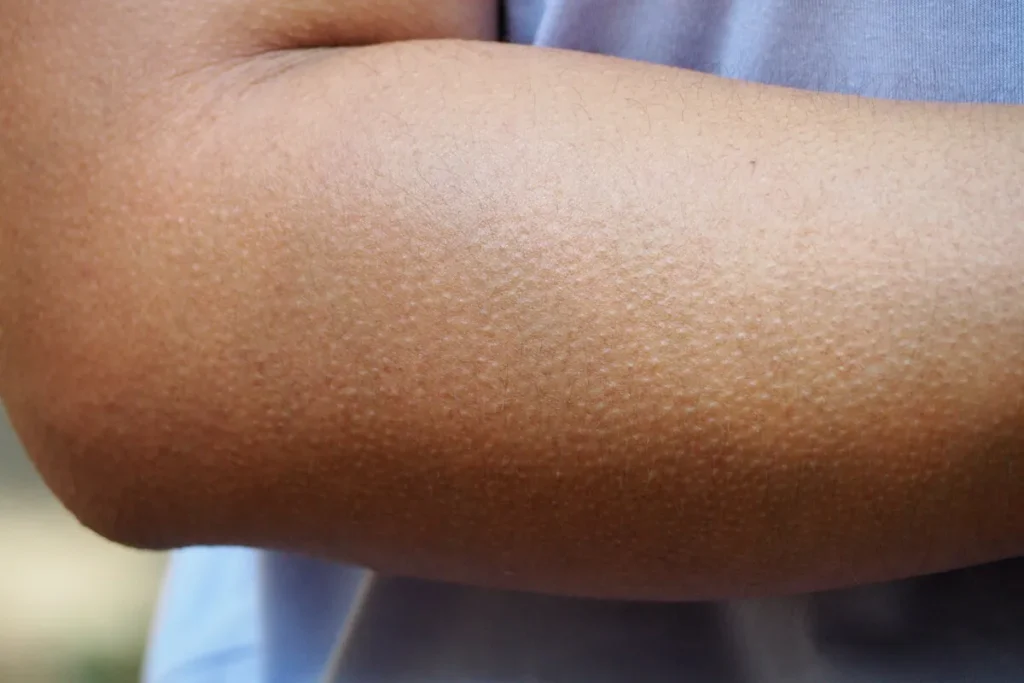
Follicular hyperkeratosis, also known as keratosis pilaris, is a harmless skin issue. It causes rough, dry patches on the skin’s surface. These patches can be red and dry, making the skin feel rough.
Identifying Keratosis Pilaris Symptoms and Affected Areas
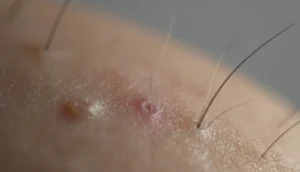
Keratosis pilaris shows up as small, rough bumps on the skin. These bumps are usually on the upper arms, thighs, and buttocks. They can be flesh-colored or red and may feel dry.
Affected Areas: The upper arms, thighs, and buttocks are most affected. But it can also show up on other parts of the body.
The Role of Keratin Buildup and Barrier Dysfunction
Keratosis pilaris happens when keratin, a skin-protecting protein, builds up. This blocks hair follicles, causing the rough bumps seen in the condition.
The skin’s barrier also plays a big part. When this barrier is weak, the skin dries out and gets irritated. This makes keratosis pilaris worse.
Dermatoloğa Ne Zaman Başvurulmalı
If your keratosis pilaris symptoms don’t go away or get worse, see a dermatologist. A dermatologist can give you a proper diagnosis and suggest treatments that fit your skin type.
Seeing a professional can really help manage the condition better.
Essential Treatment Steps for Follicular Disorder
[Resmi buraya ekleyin]
Treating follicular hyperkeratosis needs a multi-step plan. It involves several key actions to manage symptoms well. This condition causes rough, dry patches on the skin due to blocked follicles. A detailed treatment plan is necessary.
Establishing a Daily Moisturizing Routine
Keeping your skin hydrated is key in managing follicular hyperkeratosis. A daily moisturizing routine keeps the skin soft and reduces dry patches. Choose a moisturizer with emollients and humectants.
Urea-based products are great because they moisturize and help break down dead skin. Apply moisturizer right after bathing or showering to lock in moisture. Using a humidifier in dry places can also help keep your skin hydrated.
Applying Alpha-Hydroxy Acids (AHAs) Effectively
Alpha-hydroxy acids (AHAs) are good for treating follicular hyperkeratosis. They exfoliate the skin and help cells turn over. This removes dead skin cells and unclogs pores, reducing follicular plugs.
Start with a low AHA concentration to see how your skin reacts. Gradually increase it as your skin gets used to it.
Glycolic acid is a common AHA that works well on keratosis pilaris.
Lactic acid exfoliates and hydrates the skin.
Incorporating Beta-Hydroxy Acids (BHAs) and Urea Products
Beta-hydroxy acids (BHAs), like salicylic acid, penetrate deep into pores. They are great for treating follicular hyperkeratosis by reducing blocked follicles. Urea products moisturize and help break down dead skin, making them a good addition to your treatment.
When using these products together, watch how your skin reacts. Start with low concentrations and increase them as your skin becomes more tolerant.
Gentle Exfoliation Techniques
Gentle exfoliation is important in treating follicular hyperkeratosis. It removes dead skin cells and improves skin texture. You can use gentle scrubs or chemical exfoliants with AHAs or BHAs. Be gentle to avoid irritating your skin.
For the best results, follow these exfoliation tips:
Exfoliate 1-2 times a week, based on your skin’s sensitivity.
Use gentle, circular motions when applying exfoliants.
Apply a moisturizer after exfoliating to soothe the skin.
By following these steps, you can manage follicular hyperkeratosis and improve your skin’s health and look.
Advanced Treatment Strategies and Lifestyle Modifications
Managing keratosis pilaris often needs a mix of treatments and lifestyle changes. Basic care is key, but some may need more to see big improvements.
Prescription-Strength Treatments and Professional Procedures
For severe cases, prescription-strength treatments can help a lot. Creams or ointments with retinoids can lessen the look of bumps. Microdermabrasion and chemical peels also work by removing dead skin and making skin smoother.
Seeing a dermatologist is important to find the right treatment. They can suggest the best options based on your skin and how bad the condition is.
Dietary Changes That Support Skin Health
Your diet is key in managing keratosis pilaris. Eating foods with omega-3 fatty acids, like salmon and walnuts, can fight inflammation and improve skin. Foods with vitamins A and C, like sweet potatoes and citrus fruits, also help by boosting collagen and protecting skin.
Incorporate foods rich in omega-3 fatty acids.
Eat foods high in vitamins A and C.
Stay hydrated by drinking plenty of water.
Clothing Choices and Environmental Adjustments
Small changes in daily life can help manage keratosis pilaris. Wearing loose, breathable clothing can lessen irritation and stop the condition from getting worse. Keeping the air humid, which is important in dry places, also helps prevent dry skin and keratosis pilaris symptoms.
By using advanced treatments and making smart lifestyle choices, you can manage keratosis pilaris well. This leads to smoother, healthier-looking skin.
Conclusion: Creating a Sustainable Routine for Long-Term Management
Managing keratosis pilaris needs a long-term plan. A daily moisturizing routine helps ease symptoms. This follicular disorder can be challenging.
Treatment for keratosis pilaris is not just one thing. It includes gentle exfoliation and using creams or ointments. Adding alpha-hydroxy acids (AHAs) and beta-hydroxy acids (BHAs) to your skincare routine can make a big difference. It improves skin texture and reduces keratosis pilaris appearance.
Managing keratosis pilaris long-term also means making lifestyle changes. This includes eating right for your skin and choosing clothes that don’t irritate it. These steps help manage the condition and improve skin health over time.
Following a good treatment plan and sticking to a skincare routine can lead to better skin. This approach helps manage keratosis pilaris and leads to healthier, smoother skin.
SSS
What is follicular hyperkeratosis?
Follicular hyperkeratosis is a skin condition where excess keratin builds up and blocks hair follicles, causing small rough bumps. Keratosis pilaris is a common form of this condition.
What causes keratosis pilaris?
It is caused by excess keratin blocking hair follicles. It is often genetic and more common in people with dry skin, eczema, or asthma.
How can I manage keratosis pilaris symptoms?
Use daily moisturizers, gentle exfoliation, lukewarm showers, and avoid harsh soaps. Consistency is key for improvement.
What are the benefits of using alpha-hydroxy acids (AHAs) and beta-hydroxy acids (BHAs) for keratosis pilaris?
AHAs (like glycolic acid) and BHAs (like salicylic acid) help exfoliate dead skin cells, unclog hair follicles, smooth rough bumps, and improve skin texture.
Can dietary changes help in managing keratosis pilaris?
There is no strong evidence that diet directly cures it, but staying hydrated and eating a balanced diet rich in vitamins A, C, and E may support overall skin health.
Are there any lifestyle modifications that can help alleviate keratosis pilaris symptoms?
Use a humidifier in dry weather, avoid tight clothing, moisturize immediately after bathing, and avoid over-scrubbing the skin.
When should I consult a dermatologist for keratosis pilaris?
If symptoms are severe, very red, itchy, spreading, or not improving with home care.
What are some advanced treatment strategies for keratosis pilaris?
Prescription retinoids, stronger chemical exfoliants, laser therapy, and professional chemical peels may be recommended in stubborn cases.
Referanslar
https://www.healthline.com/health/skin/folliculitis-home-treatment