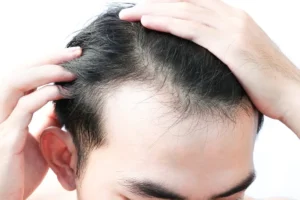
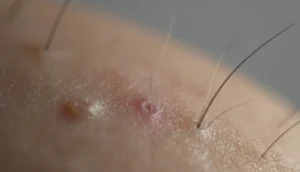
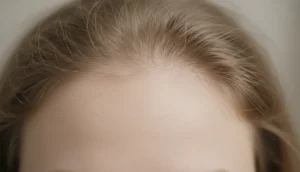
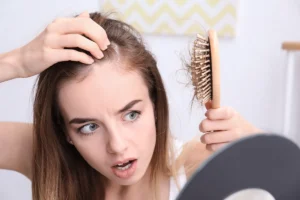
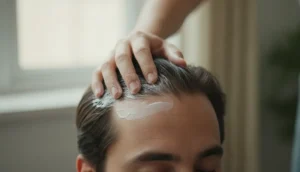
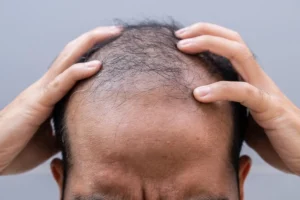
Many patients wonder how growing hair after chemo works and what they can do to speed the process. Chemotherapy targets rapidly dividing cells, which unfortunately includes the cells responsible for hair growth, leading to temporary or sometimes prolonged hair loss. Understanding the biology behind this loss, the typical timeline for regrowth, and the supportive strategies available can make a significant difference in both physical recovery and emotional well‑being.
According to recent oncology studies, up to 80% of individuals undergoing chemotherapy experience some degree of hair shedding. While this can be distressing, the majority see new hair growth within months after treatment ends. This article explores the science of hair loss during chemotherapy, outlines realistic expectations for regrowth, and provides practical advice—ranging from natural remedies to advanced medical options—to help you navigate the journey of hair regrowth after chemo.
Whether you are currently in treatment, recently finished a cycle, or planning for the future, the information below will equip you with evidence‑based insights and actionable steps to support healthy hair growth.
Understanding Why Chemotherapy Causes Hair Loss
Chemotherapy drugs are designed to attack fast‑growing cancer cells, but they also affect other rapidly dividing cells in the body, such as those in the hair follicles. This collateral damage disrupts the normal hair growth cycle, pushing follicles into a resting phase known as telogen, which results in shedding.
Key factors influencing the extent of hair loss include:
- Type of chemotherapy – Agents like cyclophosphamide and doxorubicin are more likely to cause noticeable hair loss.
- Dosage and treatment duration – Higher cumulative doses increase the risk.
- Individual genetics – Some people are more sensitive to the follicular effects of chemo.
It’s also important to differentiate between the effects of chemotherapy and radiation therapy. While both can lead to hair loss, radiation typically causes localized loss in the treated area, whereas chemotherapy results in a more diffuse shedding across the scalp.
Understanding this mechanism helps set realistic expectations and informs the choice of supportive measures.
Typical Timeline for Hair Regrowth After Treatment
One of the most common concerns is how long it takes for hair to grow back after chemotherapy. While individual experiences vary, most patients notice new hair growth within 3 to 6 months after completing treatment.
Below is a general timeline based on clinical observations:
| Time After Treatment | Typical Hair Changes |
|---|---|
| 0–2 weeks | Shedding peaks; scalp may feel dry. |
| 2–4 weeks | Fine, often colorless “baby hairs” begin to appear. |
| 1–3 months | Hair becomes thicker; texture may differ from pre‑chemo hair. |
| 3–6 months | Significant regrowth; many patients report 50%+ coverage. |
| 6–12 months | Hair often returns to near‑normal density, though some may notice lingering texture changes. |
Factors such as age, overall health, and the specific chemotherapy regimen can accelerate or delay this timeline. For example, patients who received high‑dose alkylating agents may experience a slightly longer regrowth period compared to those on milder protocols.
Patience is essential, but there are ways to encourage healthier, faster growth, which we’ll discuss in the next sections.
Natural Ways to Support Hair Growth After Chemo
While medical interventions can be effective, many patients prefer to start with natural, low‑risk strategies to promote hair health. These approaches focus on nutrition, scalp care, and lifestyle adjustments that create an optimal environment for follicles to re‑enter the anagen (growth) phase.
Nutrition and Supplements
A balanced diet rich in protein, iron, zinc, and biotin can provide the building blocks needed for strong hair. Consider incorporating:
- Lean meats, beans, and lentils for protein.
- Leafy greens such as spinach for iron and folate.
- Seeds and nuts for zinc and omega‑3 fatty acids.
- Biotin‑rich foods like eggs and sweet potatoes.
Some oncologists also recommend a daily multivitamin or a specific hair‑support supplement, but always consult your healthcare team before adding new products.
Scalp Stimulation Techniques
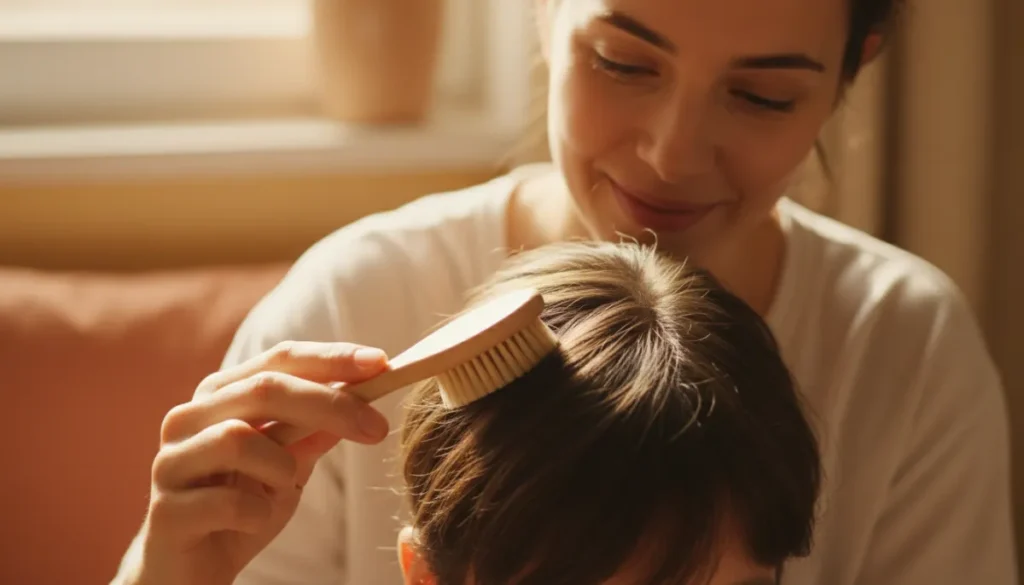
Gentle scalp massage stimulates blood flow, delivering nutrients to hair follicles. Use fingertips to massage in circular motions for 5–10 minutes daily, or consider a soft-bristled brush designed for sensitive scalps.
Gentle Hair Care Practices
Avoid harsh chemicals, high heat, and tight hairstyles that can stress newly growing hair. Opt for sulfate‑free shampoos, lukewarm water, and a wide‑tooth comb to reduce breakage.
These natural measures may not dramatically speed up the timeline, but they improve hair quality and overall scalp health, laying a solid foundation for later medical treatments if needed.
Medical Options to Accelerate Hair Regrowth
When natural methods are insufficient or a faster result is desired, several medical interventions are available. These options are typically considered after the patient has completed chemotherapy and is in remission.
Platelet‑Rich Plasma (PRP) Therapy
PRP involves drawing a small amount of the patient’s blood, concentrating the platelets, and injecting the plasma into the scalp. Growth factors in PRP can stimulate dormant follicles, potentially shortening the regrowth period.
Low‑Level Laser Therapy (LLLT)
LLLT devices emit red light that penetrates the scalp, enhancing cellular metabolism and increasing blood circulation. Clinical studies suggest modest improvements in hair density when used consistently over several months.
Hair Transplant Considerations
For patients whose hair does not fully recover, a hair transplant can be a permanent solution. Techniques such as Follicular Unit Extraction (FUE) or Direct Hair Implantation (DHI) performed by experienced surgeons in Turkey have shown high success rates. However, it is crucial to wait until at least 12 months post‑chemotherapy and confirm that the disease is stable before undergoing any surgical procedure.
Below is a quick comparison of these medical options:
| Option | Mechanism | Typical Sessions | Recovery Time |
|---|---|---|---|
| PRP Therapy | Growth factor infusion | 3–4 sessions, 1 month apart | Minimal, mild redness |
| LLLT | Photobiomodulation | 3–5 minutes daily | None |
| Hair Transplant (FUE/DHI) | Follicle relocation | 1‑2 days procedure | 7‑10 days mild swelling |
Discuss these options with your oncologist and a qualified hair restoration specialist to determine the best personalized plan.
Emotional and Practical Tips for Managing Hair Changes
The visual impact of hair loss can affect self‑esteem, especially during a vulnerable time like cancer treatment. Addressing the emotional side is as important as the physical regrowth process.
Choosing Head Coverings
Wigs, scarves, and hats provide immediate confidence boosts. When selecting a wig, look for breathable, lightweight materials and consider custom fitting for comfort. Many oncology centers offer free or discounted wig services.
Styling New Growth
As hair begins to return, gentle styling can help you feel more like yourself. Use soft hair ties, avoid tight ponytails, and consider low‑maintenance cuts that reduce the need for frequent trimming.
Support Networks
Connecting with support groups—online forums, local meet‑ups, or counseling services—can provide shared experiences and coping strategies. Knowing you’re not alone often eases anxiety about hair regrowth timelines.
Remember, each person’s journey is unique. Celebrate small milestones, such as the first visible strand, and give yourself permission to seek professional help—both medical and emotional—when needed.
Why Choose Gold City Hair for Post‑Chemo Hair Restoration
Gold City Hair combines years of expertise in advanced hair restoration with a compassionate, patient‑focused approach. Since 2017, our clinic in Turkey has performed thousands of successful FUE and DHI procedures, offering personalized treatment plans that respect each individual’s medical history and aesthetic goals. Our team works closely with oncologists to ensure safe timing for any surgical intervention, and we provide comprehensive after‑care to support optimal hair regrowth. Trust a clinic that prioritizes transparency, quality, and your confidence.
Ready to explore your hair regrowth options after chemotherapy? Contact Gold City Hair today for a personalized consultation and take the first step toward restoring your confidence.
Call us or fill out the inquiry form to schedule your free assessment—your journey to healthier hair starts now.
SSS
How long does it take for hair to grow back after chemotherapy?
Most patients see new hair growth within 3 to 6 months after completing treatment, though some may take up to a year.
What natural methods can help support hair regrowth after chemo?
A balanced diet rich in protein, iron, zinc, and biotin, scalp massage, and gentle hair care practices can promote healthier regrowth.
Are there medical treatments that can accelerate hair regrowth post‑chemo?
Yes, options include platelet‑rich plasma (PRP) therapy, low‑level laser therapy (LLLT), and hair transplant surgery after remission.
What factors affect the timeline of hair regrowth after chemotherapy?
Key factors include the type and dose of chemotherapy, patient age, overall health, genetics, and specific drugs used.
How can I manage the emotional impact of hair loss during cancer treatment?
Using wigs or head coverings, joining support groups, and focusing on self‑care can help maintain confidence and emotional well‑being.
When is it safe to consider a hair transplant after chemotherapy?
Typically after at least 12 months post‑treatment and once the disease is stable, a hair transplant can be safely performed.