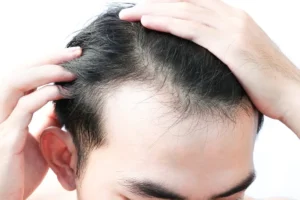
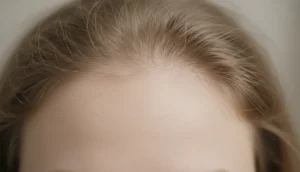
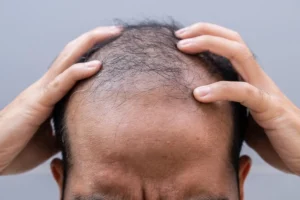
The phenomenon of front of hair thinning female is a common concern that affects many women seeking to maintain a youthful appearance. This type of hair loss typically begins at the hairline and can create a visibly receded forehead, impacting confidence and self‑image.
In this article we will explore the underlying reasons behind this pattern, how to correctly diagnose it, and the full range of treatment options—from topical therapies to advanced hair transplant procedures. Understanding the root causes is essential for selecting the most effective solution and preventing further thinning.
Recent studies indicate that up to 40 % of women experience noticeable hair thinning by the age of 40, with front‑line loss being one of the most reported patterns. By recognizing early signs and acting promptly, you can significantly improve outcomes and preserve a natural‑looking hairline.
Read on to discover practical steps, medical insights, and why partnering with a reputable clinic like Gold City Hair can make a lasting difference.
What Causes Front Hair Thinning in Women?

Several factors can trigger the front of hair thinning female pattern, and they often interact in complex ways. Recognizing these contributors helps tailor the most appropriate treatment plan.
Hormonal Changes
Fluctuations in estrogen and progesterone levels during menopause, pregnancy, or thyroid disorders can disrupt the normal hair growth cycle, leading to diffuse thinning that frequently starts at the front.
Genetik Yatkınlık
Family history of female pattern baldness is a strong predictor. Even if the thinning appears only at the hairline, the underlying genetics may follow the same pathways as broader pattern baldness.
Stress and Lifestyle
Chronic stress elevates cortisol, which can push hair follicles into a resting phase. Poor nutrition, lack of sleep, and excessive use of heat styling tools further exacerbate the problem.
Styling Practices
Tight ponytails, braids, or frequent use of chemical relaxers create tension on the frontal follicles, sometimes resulting in traction alopecia that mimics natural thinning.
- Hormonal imbalances (menopause, thyroid)
- Genetic factors (family history)
- Stress and inadequate nutrition
- Traction from hairstyles
- Sert kimyasal işlemler
| Cause | Typical Signs | Recommended Action |
|---|---|---|
| Hormonal changes | Sudden shedding, especially at the front | Consult endocrinologist, consider hormone‑balancing therapy |
| Genetic predisposition | Gradual recession of hairline over years | Early evaluation, discuss medical or surgical options |
| Stres | Diffuse thinning, increased shedding during stressful periods | Stress‑management techniques, balanced diet, possible supplements |
| Traction alopecia | Localized thinning where hair is pulled tight | Adopt looser hairstyles, avoid excessive heat |
Diagnosing the Pattern: When to Seek Professional Help
Identifying the exact cause of front hair thinning is crucial before embarking on any treatment. While over‑the‑counter products may help mild cases, a professional evaluation ensures that underlying conditions such as frontal fibrosing alopecia or hormonal disorders are not overlooked.
Clinical Examination
The specialist will assess the density, pattern, and scalp health. They may use a handheld dermatoscope to view follicle miniaturization that is invisible to the naked eye.
Laboratory Tests
Blood work can reveal thyroid function, iron levels, and hormonal imbalances—key factors in hair loss in women. Identifying deficiencies early allows for targeted medical therapy.
Scalp Biopsy
In ambiguous cases, a small scalp sample can differentiate between scarring alopecias and non‑scarring patterns, guiding the choice between medical and surgical routes.
- Visual scalp assessment
- Dermatoscopic imaging
- Blood tests for hormones and nutrients
- Scalp biopsy if needed
| Diagnostic Tool | Purpose | Typical Findings for Front Thinning |
|---|---|---|
| Dermatoscopy | Visualize follicle size | Miniaturized hairs, perifollicular inflammation |
| Blood Panel | Check systemic causes | Low ferritin, abnormal thyroid hormones |
| Scalp Biopsy | Distinguish scarring vs non‑scarring | Presence of fibrosis in scarring alopecia |
When you notice persistent front hair thinning, especially if it aligns with the front of hair thinning female description, schedule a consultation within six months to explore both hair loss treatment and potential surgical options.
Non‑Surgical Options to Slow and Regrow Front Hair
For many women, the first line of defense against the front of hair thinning female pattern involves non‑invasive therapies that stimulate existing follicles and improve scalp health.
Topical Medications
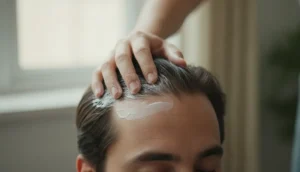
Minoxidil 5 % remains the only FDA‑approved topical solution for women. Regular application can increase follicular size and prolong the growth phase, offering visible improvement within 3–6 months.
Platelet‑Rich Plasma (PRP)
PRP therapy uses your own blood platelets to deliver growth factors directly to the scalp. Clinical trials report a 30‑45 % increase in hair density in the frontal zone after a series of three monthly sessions.
Low‑Level Laser Therapy (LLLT)
Devices such as laser combs or caps emit red light that boosts cellular metabolism in hair follicles. LLLT is safe, painless, and can be used at home, complementing other treatments.
Nutritional Support
Supplements containing biotin, zinc, and marine collagen support keratin production. Addressing iron deficiency is especially vital, as low ferritin is linked to increased shedding.
- Minoxidil (topical)
- PRP injections
- LLLT devices
- Targeted vitamins and minerals
- Lifestyle changes (stress reduction, balanced diet)
| Treatment | Typical Onset of Results | Key Benefits |
|---|---|---|
| Minoxidil | 3–6 months | Improves density, easy to use |
| PRP | 2–4 months | Uses natural growth factors, minimal downtime |
| LLLT | 4–8 months | Non‑invasive, can be combined with other therapies |
| Takviyeler | 6–12 months | Addresses nutritional deficiencies, supports overall health |
While these options can significantly improve the appearance of the hairline, they may not fully restore a receded front for every patient. When non‑surgical methods plateau, surgical solutions become a viable next step.
Surgical Solutions: FUE and DHI for Front Hair Restoration
When the front of hair thinning female condition reaches a stage where follicle loss is permanent, hair transplantation offers a long‑lasting solution. Gold City Hair specializes in both Follicular Unit Extraction (FUE) and Direct Hair Implantation (DHI), delivering natural‑looking results with minimal scarring.
FUE (Follicular Unit Extraction)
FUE removes individual grafts from a donor area—typically the back of the scalp—and implants them into the thinning front zone. The technique allows precise control over graft angle and density, essential for recreating a seamless hairline.
DHI (Doğrudan Saç İmplantasyonu)
DHI uses a patented implanter pen that places grafts directly without creating recipient incisions first. This reduces handling time, improves graft survival, and shortens overall procedure time.
Choosing the Right Method
Both techniques achieve excellent outcomes, but DHI may be preferable for patients seeking a denser, more refined hairline with less postoperative discomfort.
- FUE – versatile, suitable for larger graft numbers
- DHI – higher graft survival, ideal for delicate frontal work
- Local anesthesia – comfortable, no general sedation needed
- Recovery – typically 7–10 days for normal activities
| Technique | Graft Survival Rate | Typical Recovery Time | Best For |
|---|---|---|---|
| FUE | 85‑90 % | 7‑10 days | Moderate to large volume transplants |
| DHI | 90‑95 % | 5‑8 days | Fine frontal hairlines, high precision needs |
Both FUE and DHI address the root cause of the front of hair thinning female pattern by permanently relocating healthy follicles, offering a permanent increase in hair density that grows naturally over time.
Aftercare and Long‑Term Maintenance for Sustainable Results
Successful restoration of the front hairline does not end with the procedure. Ongoing care ensures grafts thrive and that any underlying factors contributing to the front of hair thinning female condition remain controlled.
First Two Weeks
Avoid direct sun exposure, harsh chemicals, and tight headwear. Gentle washing with a mild shampoo is recommended, and any prescribed anti‑inflammatory medication should be taken as directed.
Months 3‑6
Hair shedding of transplanted follicles is normal (the “shock loss” phase). Continue using minoxidil or other prescribed topical agents to encourage new growth. Light scalp massage can improve blood flow.
Lifestyle and Ongoing Treatments
Maintain a balanced diet rich in proteins, omega‑3 fatty acids, and antioxidants. Regular low‑level laser sessions or periodic PRP boosters can sustain graft vitality. Stress‑management practices such as yoga or mindfulness further protect against future thinning.
- Protect scalp from UV rays
- Use gentle, sulfate‑free shampoos
- Follow prescribed topical regimen
- Schedule follow‑up visits every 6–12 months
- Consider maintenance PRP or LLLT
| Time Frame | Key Actions | Goal |
|---|---|---|
| 0‑2 weeks | Avoid sun, gentle washing, medication adherence | Protect grafts, reduce inflammation |
| 3‑6 months | Continue minoxidil, light massage, monitor shedding | Promote new growth, manage shock loss |
| 6‑12 months | Maintenance PRP/LLLT, healthy diet, stress control | Ensure long‑term density and scalp health |
Adhering to a comprehensive aftercare plan maximizes the durability of results and reduces the risk of future front hair thinning, allowing you to enjoy a natural, confident look for years to come.
Why Choose Gold City Hair
Gold City Hair combines over six years of expertise with state‑of‑the‑art FUE and DHI technologies to deliver personalized front hairline restoration. Our team prioritizes transparent communication, thorough pre‑operative assessment, and meticulous post‑procedure support, ensuring every patient receives a safe, effective, and confidence‑building experience.
Ready to reclaim a fuller, natural‑looking hairline? Contact Gold City Hair today to schedule your confidential consultation and explore the best solution for your front hair thinning.
Take the first step toward lasting confidence—your new hairline awaits.
SSS
What are the main causes of front hair thinning in women?
The primary causes include hormonal changes, genetic predisposition, chronic stress, poor nutrition, and traction from hairstyles.
How can I diagnose front hair thinning myself?
Self‑diagnosis involves observing a receding hairline, checking for diffuse shedding, and noting any associated symptoms like scalp irritation or hormonal changes.
What non‑surgical treatments are effective for front hair thinning?
Topical minoxidil, PRP injections, low‑level laser therapy, and targeted nutritional supplements are the most evidence‑based non‑surgical options.
Is PRP therapy proven to help with frontal hair loss?
Clinical studies indicate PRP can improve frontal hair density by 30‑45% after a series of treatments.
What is the difference between FUE and DHI hair transplant techniques?
FUE extracts individual grafts from a donor area, while DHI implants them directly using a pen without pre‑made incisions, offering higher graft survival.
How long does recovery take after a frontal hair transplant?
Most patients resume normal activities within 7‑10 days, with full graft maturation occurring over several months.