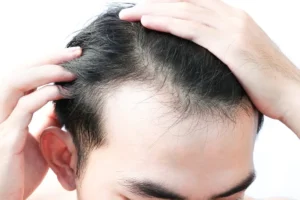
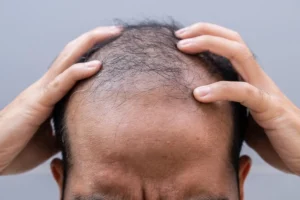
When it comes to tackling magnesium supplements for hair loss, many people overlook the mineral’s crucial role in maintaining healthy follicles. This article explains why magnesium matters, how supplementation can support hair growth, and what you should consider before adding a supplement to your routine. Recent studies suggest that up to 30% of individuals with thinning hair have low magnesium levels, making it a common yet often ignored factor in hair health.
We’ll start by exploring the science behind magnesium and its impact on the scalp, then move on to practical guidance on selecting the right product, dosage, and complementary lifestyle habits. Whether you’re looking for a natural boost or wondering when it’s time to consult a professional hair restoration clinic, the information here will help you make an informed decision.
By the end of this guide, you’ll understand how magnesium interacts with other nutrients, what forms are most bio‑available, and how Gold City Hair can complement your supplement regimen with advanced hair transplant solutions if needed.
Understanding the Role of Magnesium in Hair Health

Magnesium is a mineral involved in over 300 enzymatic reactions, many of which affect the skin and hair. It helps regulate calcium balance, supports protein synthesis, and reduces oxidative stress—all essential processes for healthy hair follicles.
Key functions of magnesium for hair include:
- Improving blood circulation to the scalp, delivering nutrients and oxygen to hair roots.
- Balancing hormone levels, particularly reducing excess DHT that can accelerate hair thinning.
- Supporting the production of keratin, the structural protein that makes up each strand.
- Mitigating inflammation and oxidative damage that can weaken follicles.
Deficiency symptoms often manifest as brittle hair, increased shedding, and a dull appearance. Below is a quick comparison of common deficiency signs and their impact on hair.
| Deficiency Sign | Impact on Hair |
|---|---|
| Low magnesium intake | Reduced blood flow, leading to weaker follicles |
| Elevated cortisol | Hormonal imbalance that may increase DHT |
| Oxidative stress | Damage to follicle cells, causing premature shedding |
Understanding these mechanisms clarifies why many users report noticeable improvements after correcting a magnesium shortfall.
How Magnesium Supplements Can Support Hair Growth
Supplementing with magnesium can fill dietary gaps and directly influence the pathways that promote hair growth. Clinical observations indicate that consistent magnesium intake may increase the proportion of hair in the anagen (growth) phase by up to 15% over three months.
Common supplement forms include:
- Magnesium citrate – Highly absorbable, often recommended for digestive comfort.
- Magnesium glycinate – Gentle on the stomach and ideal for long‑term use.
- Magnesium oxide – Less bio‑available but cost‑effective for larger doses.
- Magnesium threonate – Targets brain health but also contributes to overall mineral balance.
Typical dosages range from 200 mg to 400 mg per day, depending on individual needs and existing dietary intake. It’s best to start at the lower end and adjust based on tolerance and blood test results.
When combined with other hair‑supporting nutrients such as biotin, zinc, and vitamin D, magnesium can act synergistically, enhancing overall effectiveness. Many users notice reduced shedding within four to six weeks of regular supplementation.
Choosing the Right Magnesium Supplement for Your Needs
Selecting the appropriate supplement hinges on absorption, tolerance, and personal health goals. Below is a concise comparison to help you decide.
| Form | Absorption Rate | Typical Daily Dose | Best For |
|---|---|---|---|
| Magnesium citrate | High | 200‑300 mg | General supplementation, digestive comfort |
| Magnesium glycinate | Very High | 150‑250 mg | Long‑term use, sensitive stomachs |
| Magnesium oxide | Low‑Moderate | 300‑400 mg | Budget‑friendly, occasional use |
| Magnesium threonate | Moderate | 150‑200 mg | Brain health focus, added hair benefits |
For those primarily targeting hair loss, magnesium glycinate is often preferred due to its superior bioavailability and minimal gastrointestinal side effects. Always consult a healthcare professional before beginning a new regimen, especially if you have kidney issues or are taking other medications.
Lifestyle Factors That Enhance the Effectiveness of Magnesium
Magnesium works best when paired with supportive lifestyle choices. Consider the following habits to maximize results:
- Balanced diet – Include leafy greens, nuts, seeds, and whole grains that naturally contain magnesium.
- Stress management – Chronic stress depletes magnesium stores; practices like meditation or deep breathing help retain levels.
- Regular exercise – Improves circulation, delivering magnesium and other nutrients to the scalp.
- Adequate sleep – Sleep restores hormonal balance, allowing magnesium to perform its reparative functions.
- Avoid excessive alcohol and caffeine – Both can increase magnesium excretion.
Combining these habits with consistent magnesium supplements for hair loss creates a synergistic environment where follicles receive optimal nourishment, leading to stronger, thicker strands over time.
When to Consider Professional Hair Restoration Options
While magnesium supplementation can significantly improve hair quality, some individuals may still experience progressive thinning despite optimal nutrition and lifestyle changes. In such cases, professional interventions become a viable next step.
Key indicators that it may be time to explore a clinic include:
- Persistent shedding of more than 100 hairs per day for several months.
- Visible scalp exposure in multiple areas, not limited to a single patch.
- Family history of early‑onset baldness combined with limited response to supplements.
Gold City Hair offers advanced techniques such as Follicular Unit Extraction (FUE) and Direct Hair Implantation (DHI), which can deliver natural‑looking, permanent results. Our personalized approach ensures that each patient receives a treatment plan tailored to their unique pattern of loss, scalp condition, and aesthetic goals.
Why Choose Gold City Hair
Gold City Hair has been a trusted hair restoration center in Turkey since 2017, specializing in FUE, DHI, and eyebrow/beard transplants. Our team emphasizes transparent communication and individualized care, helping clients regain confidence through safe, effective procedures. Whether you complement supplements with a transplant or seek a comprehensive solution, our clinic combines expertise with a patient‑first philosophy.
Ready to take the next step toward fuller, healthier hair? Contact Gold City Hair today for a personalized consultation and discover how our advanced transplant techniques can work alongside your magnesium regimen.
Call now or fill out our online form to schedule your free assessment.
SSS
How does magnesium affect hair loss?
Magnesium supports hair follicles by improving scalp blood flow, balancing hormones that influence DHT, and aiding keratin production.
Which form of magnesium supplement is best for hair growth?
Magnesium glycinate is generally preferred for hair loss due to its high bioavailability and gentle effect on the stomach.
What dosage of magnesium is recommended for hair health?
Typical daily doses range from 200 mg to 400 mg, starting low and adjusting based on tolerance and blood test results.
Can magnesium be combined with other nutrients for better hair results?
Yes, pairing magnesium with biotin, zinc, and vitamin D creates a synergistic effect that supports hair growth.
What lifestyle habits enhance magnesium’s effectiveness for hair health?
A balanced diet, stress management, regular exercise, adequate sleep, and limiting alcohol and caffeine boost magnesium’s benefits.
When should I consider professional hair restoration instead of supplements?
If shedding exceeds 100 hairs per day for months, scalp exposure widens, or family history of early baldness persists despite supplements, seek professional treatment.