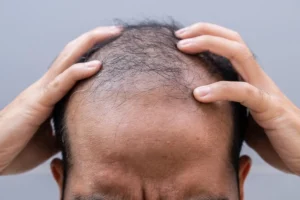
Understanding why does stress make you lose hair is essential for anyone noticing increased shedding, especially when the loss seems sudden or unexplained. Stress affects the body on many levels, and its impact on the hair growth cycle is one of the most visible signs of an underlying imbalance. In fact, studies show that up to 30% of acute hair shedding cases are linked to stressful events such as illness, surgery, or emotional trauma.
This article explores the biological mechanisms behind stress‑related hair loss, identifies the most common condition known as telogen effluvium, and provides practical steps you can take to stop the shedding and promote regrowth. Whether you are dealing with occasional clumps of hair falling out or a persistent thinning pattern, understanding the root cause empowers you to choose the right treatment.
We will also discuss how professional hair restoration techniques, including the advanced FUE and DHI methods offered by Gold City Hair, can help restore confidence when natural recovery takes longer than expected.
The Science Behind Stress‑Induced Hair Shedding
Stress triggers a cascade of hormonal changes that directly interfere with the hair follicle’s normal cycle. The primary culprit is cortisol, the body’s main stress hormone, which can push hair follicles from the active anagen phase into the resting telogen phase. When a large number of follicles enter telogen simultaneously, noticeable shedding occurs within weeks.
Hormonal Pathways
During chronic stress, the hypothalamic‑pituitary‑adrenal (HPA) axis remains activated, leading to sustained cortisol release. Elevated cortisol reduces the production of growth factors such as IGF‑1 (insulin‑like growth factor‑1), which are vital for hair shaft elongation. Simultaneously, stress can increase androgen levels, especially dihydrotestosterone (DHT), which further shortens the anagen phase and contributes to pattern hair loss.
The Role of Cortisol
High cortisol levels also impair blood flow to the scalp, limiting oxygen and nutrient delivery to follicles. This creates an environment where hair is more prone to entering the telogen phase, resulting in the classic “telogen effluvium” pattern of diffuse shedding.
- Acute stress (e.g., surgery, severe illness)
- Chronic emotional stress (e.g., work burnout)
- Physiological stress (e.g., hormonal imbalances)
| Stress Type | Typical Duration | Hair Loss Pattern |
|---|---|---|
| Acute | Weeks to months | Sudden shedding, often in clumps |
| Chronic | Months to years | Gradual thinning, diffuse |
| Physiological | Variable | Combination of shedding and thinning |

Recognizing Telogen Effluvium – The Most Common Stress‑Related Hair Loss
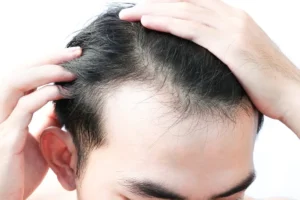
Telogen effluvium is the medical term for the diffuse shedding that follows a stressful trigger. Unlike pattern baldness, which follows a predictable recession line, telogen effluvium affects the entire scalp and often appears as hair falling out in clumps during washing or brushing.
Key Symptoms
- Increased shedding of 50–100 hairs per day
- Hair loss that is most noticeable on the crown and top of the head
- Absence of visible bald patches; the scalp remains covered but thinner
- Hair feeling lighter or “moulting” during the shedding phase
How Doctors Diagnose It
Diagnosis typically involves a detailed medical history, a scalp examination, and sometimes a pull test to assess the proportion of hairs in telogen. Blood tests may be ordered to rule out thyroid issues or iron deficiency, which can mimic stress‑related shedding.
When you ask yourself “does stress cause hair loss?” and notice these signs, telogen effluvium is a likely answer.
Lifestyle Factors That Amplify Stress Hair Loss
While stress is a primary trigger, several lifestyle habits can worsen or prolong the shedding phase. Understanding these factors helps you create a comprehensive plan to protect your hair.
Sleep and Nutrition
Insufficient sleep disrupts the HPA axis, leading to higher cortisol. A diet lacking protein, iron, zinc, and essential fatty acids deprives follicles of building blocks needed for robust hair growth.
Environmental and Cosmetic Influences
Excessive heat styling, harsh chemicals, and tight hairstyles can create mechanical stress that compounds hormonal stress, accelerating the transition to the telogen phase.
| Positive Habit | Benefit for Hair | Suggested Action |
|---|---|---|
| 7–9 hours sleep | Regulates cortisol | Establish a consistent bedtime routine |
| Balanced diet | Provides nutrients for follicle health | Include lean protein, leafy greens, nuts |
| Gentle hair care | Reduces mechanical stress | Use sulfate‑free shampoos, avoid tight ponytails |
Treatment Options: From Medical Interventions to Hair Restoration
If lifestyle adjustments do not halt the shedding, medical treatments can accelerate recovery. The first step is often to address the underlying stressor and any nutritional deficiencies.
Medical Approaches
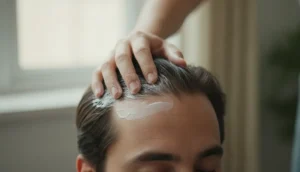
- Topical minoxidil – stimulates follicles and shortens telogen duration.
- Oral supplements – iron, biotin, and vitamin D support hair growth.
- Stress‑management therapy – cognitive‑behavioral therapy (CBT) or mindfulness reduces cortisol levels.
Hair Restoration Solutions
When telogen effluvium persists beyond six months, or when pattern loss co‑exists, many patients consider permanent restoration. Gold City Hair specializes in modern FUE (Follicular Unit Extraction) and DHI (Direct Hair Implantation) techniques, offering natural‑looking density with minimal scarring.
| Procedure | Key Advantage | Typical Recovery |
|---|---|---|
| FUE | Individual follicle extraction, no linear scar | 7‑10 days |
| DHI | Implantation with a patented pen, higher graft survival | 5‑9 days |
| Medical Therapy | Non‑surgical, can be combined with transplant | Variable |
Preventive Strategies to Keep Stress From Triggering Hair Loss
Prevention is often more effective than treatment. By incorporating stress‑reduction techniques into daily life, you can maintain a healthy hair growth cycle.
Effective Stress‑Management Practices
- Mindfulness meditation – 10‑15 minutes daily lowers cortisol.
- Regular physical activity – aerobic exercise improves circulation to the scalp.
- Time management – breaking tasks into manageable steps reduces mental overload.
Daily Hair‑Care Checklist
- Wash with a gentle, sulfate‑free shampoo.
- Condition only the ends to avoid scalp buildup.
- Pat dry with a soft towel; avoid vigorous rubbing.
- Apply a scalp‑stimulating serum containing peptides or caffeine.
When you combine these habits with periodic check‑ups, you minimize the chance that stress will make you lose hair again.
Why Choose Gold City Hair
Gold City Hair has been delivering personalized hair restoration solutions in Turkey since 2017. Our clinic combines the latest scientific understanding of stress‑related hair loss with state‑of‑the‑art techniques such as FUE and DHI. We prioritize transparent communication, thorough pre‑procedure screening, and a supportive after‑care program that helps patients transition from shedding to regrowth with confidence.
Whether you are dealing with telogen effluvium, pattern baldness, or a combination of both, our experienced team tailors each treatment plan to your unique needs, ensuring natural‑looking results and lasting satisfaction.
Ready to stop stress‑induced shedding and restore a fuller, healthier head of hair? Contact Gold City Hair today to schedule your personalized consultation and take the first step toward lasting confidence.
SSS
Does stress cause hair loss?
Yes, stress can trigger hair loss by disrupting the hair growth cycle.
What is telogen effluvium?
Telogen effluvium is a temporary, diffuse hair shedding condition caused by stress or other triggers.
How does cortisol affect hair follicles?
Cortisol shortens the growth phase and reduces nutrients to follicles, promoting shedding.
What lifestyle changes can reduce stress‑related hair loss?
Improving sleep, nutrition, and gentle hair care can mitigate stress‑induced shedding.
What medical treatments are effective for stress‑induced hair loss?
Topical minoxidil, nutritional supplements, and stress‑management therapy are commonly used.
How do FUE and DHI hair transplants help after stress‑related shedding?
Both techniques relocate healthy follicles to thinning areas, providing permanent density.