Many people wonder does PRP hair treatment work and if it can truly reverse thinning hair. Platelet‑rich plasma (PRP) therapy has gained popularity as a minimally invasive option for those seeking to boost hair growth without surgery. In this article we explore the science behind PRP, examine clinical evidence, discuss factors that affect outcomes, and outline what patients can expect during and after treatment. Understanding these aspects helps you make an informed decision about whether PRP is right for you.
Hair loss affects up to 40 % of men and women worldwide, and the emotional impact can be significant. While traditional hair transplants remain a gold standard, many look for alternatives that require less downtime. PRP offers a biologically driven approach, using your own blood components to stimulate follicles. This article breaks down the process, effectiveness, cost considerations, and practical tips to set realistic expectations.
Whether you are dealing with early‑stage thinning or more advanced loss, learning how PRP works—and the evidence supporting it—will clarify if this treatment aligns with your hair restoration goals.
Understanding PRP Therapy for Hair Loss
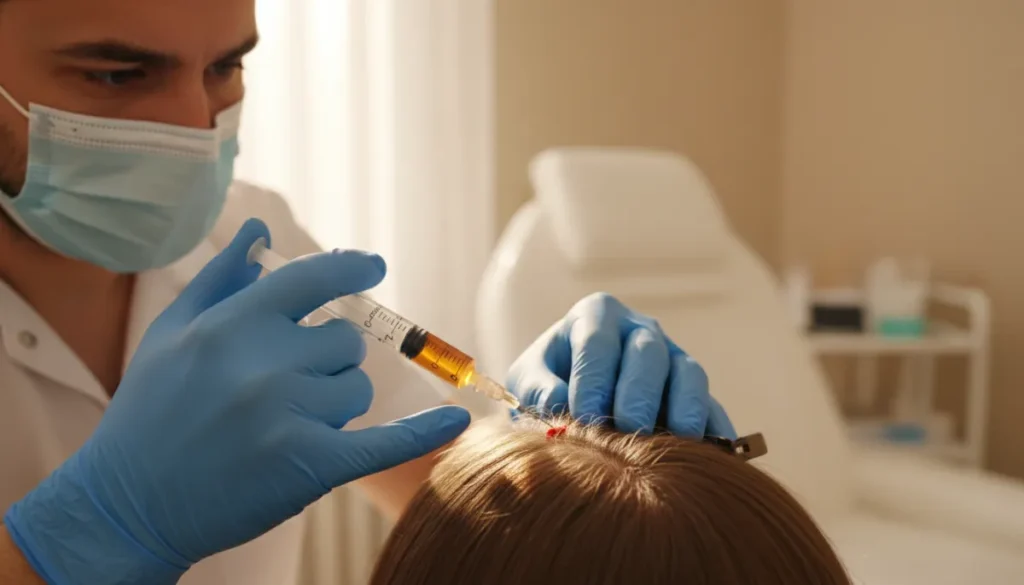
PRP therapy involves extracting a small amount of your blood, concentrating the platelets, and injecting the enriched plasma into the scalp. The high concentration of growth factors is believed to rejuvenate dormant hair follicles and promote new growth. Below is a step‑by‑step overview of the procedure.
What Is PRP?
Platelet rich plasma is a component of blood that contains a high level of platelets, which release growth factors essential for tissue repair and regeneration. In hair restoration, these growth factors target the scalp’s microenvironment to improve blood flow and stimulate follicular activity.
How Is the Procedure Performed?
- Blood draw: Approximately 10‑20 ml of blood is drawn from the patient.
- Centrifugation: The sample is spun in a centrifuge to separate platelet‑rich plasma from red blood cells.
- Preparation: The plasma is filtered and prepared for injection.
- Injection: Using a fine‑gauge needle, the PRP is injected into the scalp at the areas of thinning.
- Post‑treatment care: Patients receive guidelines for aftercare and schedule follow‑up sessions.
The entire session typically lasts 45‑60 minutes, and most patients report minimal discomfort.
| Aspect | PRP Therapy | Traditional Hair Transplant (FUE/DHI) |
|---|---|---|
| Invasiveness | Minimal invaziv | Surgical |
| Downtime | 1‑2 days | 7‑10 days |
| Cost (average) | $500‑$1500 per session | $2000‑$8000 total |
| Scarring | None | Small puncture scars |
Effectiveness of PRP: What the Research Shows
When evaluating does PRP hair treatment work, it’s essential to look at peer‑reviewed studies and real‑world outcomes. Several clinical trials have measured hair density, thickness, and patient satisfaction after a series of PRP sessions.
Clinical Studies
- Study A (2020): 60 % of participants showed a ≥30 % increase in hair density after three monthly sessions.
- Study B (2021): Reported a mean hair count increase of 15 % after six sessions, with higher success in early‑stage alopecia.
- Study C (2022): Demonstrated significant improvement in scalp vascularization, correlating with hair regrowth.
Success Rates
Success is typically defined as measurable improvement in hair thickness or density, combined with patient‑reported satisfaction. Across studies, the average success rate ranges from 50 % to 70 %, with better outcomes for those under 45 years old and for individuals with androgenic alopecia rather than scarring alopecia.
| Study | Participants | Sessions | Success Rate |
|---|---|---|---|
| Study A | 30 | 3 | 60 % |
| Study B | 45 | 6 | 65 % |
| Study C | 20 | 4 | 55 % |
While the data is promising, it’s important to recognize that PRP is not a miracle cure; results vary based on individual biology and adherence to the treatment schedule.
Factors Influencing PRP Success
Answering does PRP hair treatment work also means understanding the variables that can enhance or limit its effectiveness. Patient selection, technique, and treatment frequency all play crucial roles.
Patient Selection
- Age: Younger patients (<45) tend to respond better.
- Hair loss stage: Early to moderate androgenic alopecia shows the most benefit.
- Health status: Non‑smokers and individuals without chronic inflammatory conditions have higher success rates.
Technique Variations
Different clinics may use varying centrifugation speeds, platelet concentrations, and injection depths. Higher platelet counts and precise micro‑injections generally produce superior outcomes.
Number of Sessions
Most protocols recommend an initial series of 3‑4 monthly sessions, followed by maintenance treatments every 4‑6 months. Consistency is key to sustaining hair growth.
| Factor | Optimal Range | Impact on Results |
|---|---|---|
| Platelet Concentration | 1.5‑2.5 million/µL | Higher growth factor release |
| Injection Depth | 1‑2 mm into dermis | Targeted follicle stimulation |
| Session Interval | Every 4‑6 weeks (initial phase) | Maintains cumulative effect |
Choosing a clinic that follows evidence‑based protocols maximizes the probability that does PRP hair treatment work will be answered with a “yes” for you.
What to Expect: Treatment Process and Recovery
Understanding the practical aspects of PRP helps set realistic expectations. Below is a typical timeline from the first consultation to post‑treatment follow‑up.
Session Timeline
- Consultation: Assessment of hair loss pattern and medical history.
- Blood Draw & Processing: Approximately 15 minutes.
- Injection Phase: 30‑45 minutes, with the scalp divided into zones.
- Recovery: Most patients resume normal activities within 24 hours.
- Follow‑Up: Evaluation of hair growth after 8‑12 weeks.
Side Effects
Common, mild side effects include temporary redness, swelling, or pinpoint bruising at injection sites. These typically resolve within a few days. Serious complications are rare when the procedure is performed by trained professionals.
Aftercare Recommendations
- Avoid harsh hair products for 48 hours.
- Keep the scalp clean and avoid excessive sun exposure.
- Maintain a balanced diet rich in vitamins and minerals that support hair health.
| Phase | Duration | Key Activities |
|---|---|---|
| Pre‑Treatment | 1‑2 weeks | Medical evaluation, blood work if needed |
| Active Treatment | 45‑60 min per session | PRP preparation and scalp injections |
| Recovery | 1‑2 days | Minimal downtime, gentle care |
| Bakım | Every 4‑6 months | Additional PRP sessions as advised |
By adhering to these guidelines, patients often observe gradual thickening and increased density after the third session, reinforcing the answer to does PRP hair treatment work for many individuals.
Cost Considerations and Long‑Term Value of PRP
Financial factors often influence the decision to pursue PRP. While the cost of platelet rich plasma injections varies by region and clinic, understanding the price structure helps you evaluate long‑term value.
Pricing Overview
- Initial series (3‑4 sessions): $1,500‑$3,000 total.
- Maintenance session: $400‑$800 per session.
- Package discounts: Many clinics offer bundled pricing for multiple sessions.
Insurance and Financing
PRP for hair loss is typically classified as a cosmetic procedure, so most insurance plans do not cover it. However, reputable centers often provide flexible financing options or payment plans to make treatment more accessible.
| Cost Component | Average Price (USD) | Notes |
|---|---|---|
| Initial Consultation | $100‑$150 | Often credited toward treatment |
| PRP Session | $500‑$750 | Includes blood draw, processing, injection |
| Maintenance Session | $400‑$600 | Every 4‑6 months after initial series |
When weighing cost against benefit, consider that PRP can delay or reduce the need for surgical transplants, potentially offering savings over a lifetime. For many, the minimal downtime and natural‑looking results justify the investment.
Why Choose Gold City Hair for PRP Treatments
Gold City Hair combines advanced PRP protocols with the expertise of a dedicated hair restoration team. Since 2017, we have delivered personalized care, transparent communication, and consistent results for clients from around the world. Our clinic utilizes state‑of‑the‑art centrifugation equipment and adheres to strict sterility standards, ensuring each PRP session maximizes platelet concentration and patient safety. Trust Gold City Hair to guide you through a proven, minimally invasive path toward fuller, healthier hair.
Ready to see if PRP can revitalize your hair? Contact Gold City Hair today to schedule a personalized consultation and take the first step toward renewed confidence.
SSS
What is PRP hair treatment and how does it work?
PRP hair treatment uses your own platelet‑rich plasma injected into the scalp to stimulate dormant follicles and promote new hair growth.
What are the typical success rates for PRP hair therapy?
Clinical studies report success rates between 50 % and 70 % for measurable hair density improvements.
How many PRP sessions are needed and how often should they be done?
Most protocols recommend an initial series of 3‑4 monthly sessions followed by maintenance every 4‑6 months.
What are the common side effects and recovery time after a PRP session?
Side effects are mild, such as temporary redness, swelling, or pinpoint bruising, and most people resume normal activities within 24 hours.
How much does PRP hair treatment cost compared to a traditional hair transplant?
PRP sessions cost $500‑$1,500 each, while a full hair transplant can range from $2,000‑$8,000.
Who is the best candidate for PRP hair therapy?
Ideal candidates are younger adults (<45) with early‑to‑moderate androgenic alopecia and good overall health.