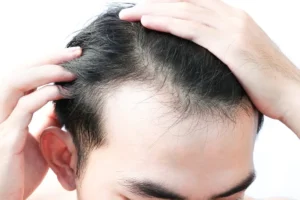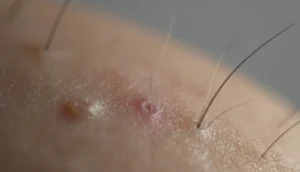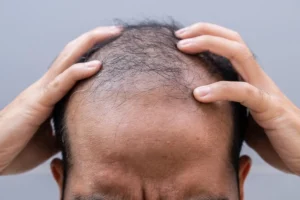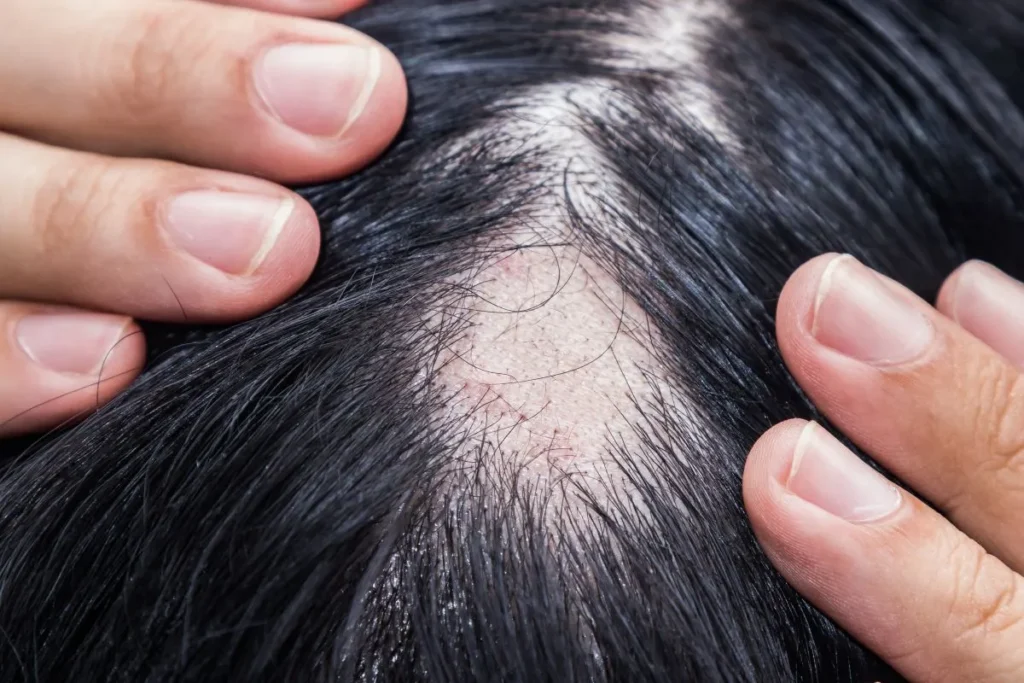
Hair loss due to autoimmune disease can be a distressing and confusing experience, especially when it appears suddenly or progresses rapidly. This article explains why the immune system attacks hair follicles, outlines the most common autoimmune conditions involved, and provides a clear roadmap for diagnosis and treatment. According to recent dermatology surveys, up to 2 % of the global population experiences some form of autoimmune‑related hair loss, highlighting the need for accurate information and effective care.
We will explore the underlying mechanisms, differentiate autoimmune hair loss from other patterns, and discuss both medical and surgical solutions—including the advanced hair transplant techniques offered by Gold City Hair. By the end of this guide, you will have a solid understanding of how to manage this condition and restore confidence in your appearance.
Whether you are dealing with alopecia areata, lupus‑related hair loss, or another autoimmune trigger, the strategies outlined here are designed to help you make informed decisions and pursue the most suitable treatment pathway.
Autoimmune Conditions That Trigger Hair Loss
Autoimmune disease refers to a malfunctioning immune system that mistakenly attacks the body’s own tissues. When this misguided response targets hair follicles, the result is varying degrees of hair shedding, thinning, or complete baldness. Below is a concise overview of the most prevalent autoimmune disorders linked to hair loss.
- Alopecia areata – sudden patchy hair loss, often affecting the scalp, eyebrows, or beard.
- Lupus erythematosus – systemic inflammation that can cause diffuse thinning and brittle hair.
- Hashimoto’s thyroiditis – hypothyroidism that leads to slow hair growth and increased shedding.
- Psoriasis – scalp plaques that disrupt follicle health, resulting in localized hair loss.
- Vitiligo – loss of pigment that sometimes accompanies follicular inflammation.
These conditions share a common pathway: immune cells release cytokines that attack the hair‑forming zone (the bulb) and interrupt the normal growth cycle. The severity and pattern of hair loss depend on the specific disease, genetic predisposition, and overall immune activity.
How Autoimmune Hair Loss Differs From Other Types
Understanding the distinctions between autoimmune‑related hair loss and other common patterns helps clinicians choose the right treatment. The table below compares key features of autoimmune hair loss with androgenetic alopecia (pattern baldness) and telogen effluvium (stress‑induced shedding).
| Feature | Autoimmune Hair Loss | Androgenetik Alopesi | Telogen Effluvium |
|---|---|---|---|
| Typical Onset | Sudden patches or diffuse thinning | Gradual recession of hairline and crown | Rapid shedding after a trigger |
| Hair Follicle Damage | Immune‑mediated attack on bulb | Miniaturization due to DHT | Premature shift to telogen phase |
| Scalp Appearance | Smooth, often without inflammation | Visible thinning, no patches | Uniform thinning, no scarring |
| Response to Steroids | Often positive, especially in alopecia areata | Limited effect | Minimal effect |
While androgenetic alopecia is driven primarily by hormonal factors, autoimmune hair loss stems from an overactive immune response. This difference explains why immunosuppressive therapies can be effective for alopecia areata but have little impact on pattern baldness.
Diagnosis and Medical Evaluation
Accurate diagnosis is essential before initiating any treatment for hair loss due to autoimmune disease. Physicians typically follow a step‑by‑step protocol to confirm the underlying cause and rule out other possibilities.
- Clinical Examination – Dermatologists inspect the scalp for pattern, texture, and any signs of inflammation.
- Medical History Review – Questions about family history, recent illnesses, medication use, and stress levels.
- Blood Tests – Thyroid panel, antinuclear antibodies (ANA), and specific autoantibodies (e.g., anti‑thyroid peroxidase, anti‑nuclear).
- Scalp Biopsy – In uncertain cases, a small tissue sample reveals follicular inflammation.
- Trichoscopy – Dermatoscopic imaging that highlights characteristic signs such as “exclamation mark” hairs in alopecia areata.
These investigations help differentiate autoimmune hair loss from other disorders like telogen effluvium or scarring alopecias. Early detection also improves the likelihood of successful intervention, whether medical or surgical.
Treatment Options: Medical and Surgical Approaches
Therapeutic strategies for hair loss due to autoimmune disease fall into two broad categories: medical management to suppress the immune attack, and surgical restoration to replace lost follicles. The choice depends on disease activity, extent of hair loss, and patient preference.
Medical Therapies
- Kortikosteroidler – Topical, intralesional, or oral steroids reduce inflammation and often stimulate regrowth in alopecia areata.
- JAK Inhibitors – Emerging oral agents (e.g., tofacitinib, ruxolitinib) show promising results for resistant cases.
- Immunomodulators – Methotrexate or azathioprine may be prescribed for severe lupus‑related hair loss.
- Topical Immunotherapy – Sensitizing agents like diphencyprone (DCP) provoke a mild allergic reaction that redirects immune activity.
Surgical Restoration
When medical therapy stabilizes the disease but does not fully restore density, hair transplantation offers a permanent solution. Gold City Hair specializes in the following techniques:
| Technique | Method | Ideal Candidates |
|---|---|---|
| FUE (Follicular Unit Extraction) | Individual follicles harvested and implanted | Patients with stable autoimmune activity and sufficient donor hair |
| DHI (Doğrudan Saç İmplantasyonu) | Follicles loaded into a pen and placed without prior incisions | Those seeking quicker recovery and higher graft survival |
Successful transplantation requires that the autoimmune process be well‑controlled; otherwise, newly placed grafts risk rejection. Therefore, a collaborative approach between the dermatologist and the transplant surgeon is essential.
Lifestyle and Support Strategies for Managing Hair Loss
Beyond medical and surgical interventions, everyday habits can influence the course of hair loss due to autoimmune disease. Incorporating supportive practices helps maintain scalp health and reduces flare‑ups.
- Balanced Nutrition – Adequate protein, iron, zinc, and omega‑3 fatty acids support follicle vitality.
- Stress Management – Mindfulness, yoga, or counseling lower cortisol levels that can exacerbate autoimmunity.
- Gentle Hair Care – Use sulfate‑free shampoos, avoid tight hairstyles, and limit heat styling.
- Sun Protection – UV exposure can trigger scalp inflammation; wear hats or use SPF‑rated scalp sprays.
- Regular Follow‑Ups – Ongoing monitoring with a dermatologist ensures timely adjustments to therapy.
Connecting with support groups—online forums, local meet‑ups, or patient advocacy organizations—provides emotional encouragement and practical tips from others facing similar challenges.
Why Choose Gold City Hair
Gold City Hair has been delivering personalized hair restoration solutions in Turkey since 2017. Our team combines expertise in the latest transplant methods, such as FUE and DHI, with a compassionate approach that prioritizes clear communication and patient comfort. We understand the unique concerns of individuals experiencing hair loss due to autoimmune disease, and we work closely with your medical specialists to ensure the disease is stable before any surgical procedure. Trust our experienced professionals to help you regain confidence through safe, effective, and aesthetically natural results.
Ready to take the next step toward restoring your hair and confidence? Contact Gold City Hair today for a personalized consultation and discover how our advanced transplant techniques can complement your medical treatment plan.
SSS
What autoimmune diseases can cause hair loss?
Autoimmune conditions such as alopecia areata, lupus erythematosus, Hashimoto’s thyroiditis, psoriasis, and vitiligo can all lead to hair loss.
How is autoimmune hair loss diagnosed?
Diagnosis involves a clinical exam, medical history, blood tests for autoantibodies, scalp biopsy, and trichoscopy.
What medical treatments are available for autoimmune‑related hair loss?
Options include corticosteroids, JAK inhibitors, immunomodulators, and topical immunotherapy.
Can hair transplantation be performed on patients with autoimmune hair loss?
Yes, but only when the autoimmune condition is stable and well‑controlled.
How can lifestyle changes help manage autoimmune hair loss?
Balanced nutrition, stress reduction, gentle hair care, sun protection, and regular follow‑ups support scalp health.