Many people wonder does LLLT work for hair loss and look for clear answers before investing in a device or treatment plan. Low‑Level Laser Therapy (LLLT) has gained popularity as a non‑invasive option that promises to stimulate hair growth using specific light wavelengths. In this article we will examine how LLLT functions, review the scientific evidence, compare it with other hair restoration methods, and outline practical considerations such as safety, cost, and device selection.
Hair loss affects up to 40 % of men and women worldwide, and the emotional impact can be significant. While surgical options like FUE and DHI provide permanent results, they are not suitable for everyone, prompting many to explore non‑surgical alternatives. LLLT is often marketed alongside terms like “red light therapy,” “photobiomodulation,” and “LED light therapy,” which can create confusion about its true benefits.
By the end of this guide you will understand the mechanisms behind LLLT, know what the latest clinical studies reveal, and be equipped to decide whether this technology fits into your personalized hair‑restoration journey.
How Low‑Level Laser Therapy Works on the Scalp
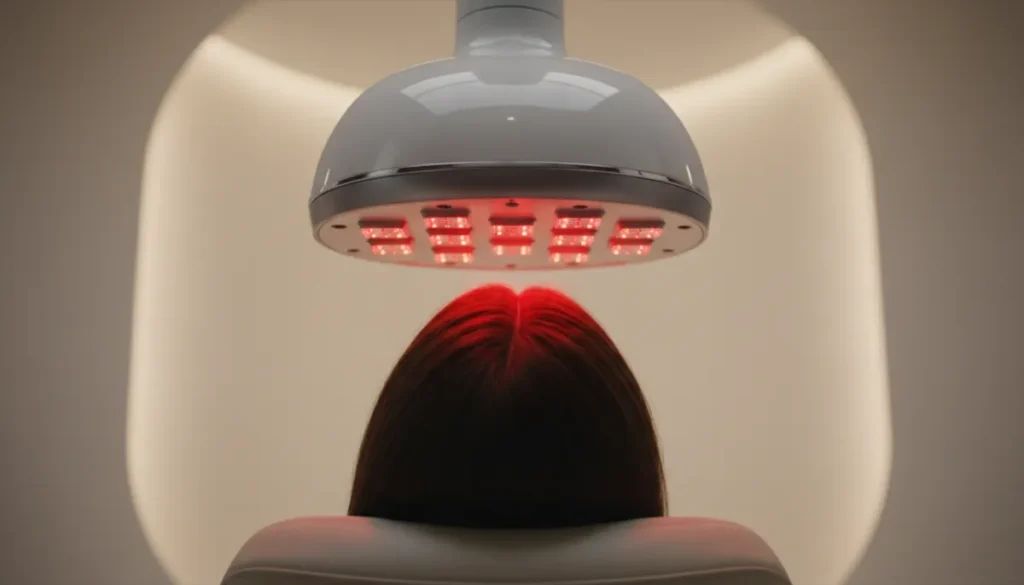
LLLT utilizes low‑power lasers or light‑emitting diodes (LEDs) that emit light in the red or near‑infrared spectrum, typically between 630 nm and 660 nm. The light penetrates the skin and reaches the hair follicles, where it is believed to trigger a cascade of cellular events known as photobiomodulation.
Photobiomodulation enhances mitochondrial activity, leading to increased adenosine triphosphate (ATP) production. This boost in cellular energy can improve the function of dermal papilla cells, which are essential for hair‑shaft formation. Additionally, LLLT is thought to improve blood flow, reduce inflammation, and prolong the anagen (growth) phase of the hair cycle.
- Red light (630‑660 nm) penetrates up to 2 mm, reaching the follicular stem cells.
- Near‑infrared light (800‑850 nm) reaches deeper tissues, supporting vascular health.
- Typical treatment protocols involve 15‑30 minutes per session, 2‑3 times per week.
Because LLLT does not damage the skin, it is considered a safe, painless procedure that can be performed at home or in a clinic. However, the effectiveness largely depends on device quality, wavelength accuracy, and adherence to a consistent treatment schedule.
Scientific Evidence and Clinical Studies on LLLT
When evaluating does LLLT work for hair loss, the most reliable source of information is peer‑reviewed clinical research. Over the past decade, several randomized controlled trials (RCTs) and meta‑analyses have examined LLLT’s impact on androgenetic alopecia and other forms of thinning.
Key findings from notable studies include:
| Study | Design | Sample Size | Sonuçlar |
|---|---|---|---|
| Avci et al., 2014 | Double‑blind RCT | 100 participants | 41 % experienced ≥10 % increase in hair density after 24 weeks. |
| Jimenez et al., 2017 | Multicenter RCT | 128 participants | Significant improvement in hair thickness and patient satisfaction compared to sham. |
| Leavitt et al., 2020 | Meta‑analysis of 9 RCTs | 1,200 total subjects | Overall effect size of 0.45, indicating moderate benefit for hair regrowth. |
These studies consistently report modest but measurable improvements in hair density and thickness, especially when LLLT is used alongside standard medical treatments such as minoxidil or finasteride. It is important to note that results can vary based on the severity of hair loss, treatment duration, and individual biological response.
Critics point out that many trials have short follow‑up periods and that long‑term sustainability of results remains under‑researched. Nonetheless, the growing body of evidence suggests that LLLT can be an effective adjunct therapy for many patients.
Comparing LLLT with Other Hair Restoration Options
When deciding does LLLT work for hair loss, it helps to compare it with both surgical and non‑surgical alternatives. Below is a concise comparison of the most common approaches.
- FUE (Follicular Unit Extraction) – Permanent, high success rates, invasive, higher cost, requires recovery time.
- DHI (Doğrudan Saç İmplantasyonu) – Similar to FUE but uses a pen‑style device, slightly quicker procedure, still surgical.
- Topical medications (minoxidil, finasteride) – Clinically proven, daily regimen, possible side effects, results vary.
- Platelet‑rich plasma (PRP) – Uses patient’s own blood, stimulates growth factors, needs multiple sessions.
- LLLT – Non‑invasive, painless, can be done at home, modest results, requires consistent use.
While surgical methods provide the most dramatic and permanent outcomes, they are not suitable for everyone due to cost, medical contraindications, or personal preference. LLLT offers a low‑risk, low‑maintenance alternative that can complement other treatments, especially for early‑stage thinning where preserving existing follicles is the primary goal.
Patients often experience the best results when combining LLLT with proven pharmacologic agents, creating a synergistic effect that maximizes follicular health.
Practical Considerations: Devices, Safety, and Cost
Before answering does LLLT work for hair loss for your specific case, consider the practical aspects of adopting this technology.
Device Types
LLLT devices come in several formats:
- Laser caps or helmets – Cover the entire scalp, ideal for uniform treatment.
- Handheld laser combs – Target specific areas, useful for patchy loss.
- Clinic‑based laser panels – Higher power output, usually administered by professionals.
When selecting a device, verify that it emits wavelengths within the 630‑660 nm range and that the manufacturer provides clinical data supporting its efficacy.
Safety Profile
LLLT is classified as a Class III medical device in many regions, meaning it is generally safe when used as directed. Reported side effects are minimal and may include temporary scalp redness or mild itching. There is no credible evidence linking LLLT to cancer, and the therapy is considered safe for most skin types.
Cost Analysis
Home devices typically range from $200 to $1,200, while professional sessions can cost $30‑$100 per visit. Over a year, the investment may equal or exceed the cost of a single surgical session, but the non‑invasive nature and flexibility often justify the expense for many users.
Ultimately, the decision hinges on your budget, commitment to a regular schedule, and how your hair loss stage aligns with LLLT’s demonstrated benefits.
Integrating LLLT into a Comprehensive Hair Restoration Plan
For those still asking does LLLT work for hair loss, the most realistic expectation is that it serves as a supportive component rather than a standalone cure. Integrating LLLT with other proven therapies can enhance overall outcomes.
Step‑by‑Step Integration Guide
- Consult a qualified hair restoration specialist to assess the cause and stage of hair loss.
- Begin a medically approved regimen (e.g., minoxidil 5 % solution) as recommended.
- Select an FDA‑cleared LLLT device that matches your scalp coverage needs.
- Follow a consistent treatment schedule—typically 3 sessions per week for at least 6 months.
- Schedule periodic follow‑ups to monitor progress and adjust the plan.
Patients who adhere to this structured approach often report improved hair density, thicker strands, and higher confidence levels. While results are not instantaneous, most users notice visible changes after 12‑16 weeks of diligent use.
Remember that lifestyle factors—such as nutrition, stress management, and avoiding harsh hair practices—also play a crucial role in maximizing the benefits of LLLT.
Why Choose Gold City Hair
Gold City Hair combines cutting‑edge technology with personalized care, offering both surgical and non‑surgical solutions for hair loss. Since 2017, our clinic in Turkey has performed thousands of successful transplants and guided patients through safe, evidence‑based LLLT programs. Our experienced team ensures transparent communication, customized treatment plans, and ongoing support to help you achieve lasting confidence.
Ready to discover if LLLT is right for you? Contact Gold City Hair today for a free consultation and start your journey toward fuller, healthier hair.
Take the first step now—schedule your personalized assessment and explore all the options tailored to your needs.
SSS
Does LLLT work for hair loss?
Yes, research shows LLLT can modestly increase hair density and thickness in many users.
How does low‑level laser therapy stimulate hair growth?
LLLT delivers red or near‑infrared light that boosts cellular energy in follicle cells, improving blood flow and reducing inflammation.
What does scientific research say about LLLT effectiveness?
Clinical studies report moderate benefits, with an overall effect size around 0.45 for hair regrowth.
Are there any safety concerns or side effects with LLLT?
LLLT is generally safe with minimal side effects like temporary scalp redness or mild itching.
Can LLLT be combined with other hair loss treatments?
Yes, combining LLLT with minoxidil, finasteride, or PRP often yields better results than any single therapy alone.
How much does an at‑home LLLT device cost?
Home devices range from about $200 for basic combs to $1,200 for premium laser caps.
How long does it take to see results from LLLT?
Most users notice visible improvements after 12‑16 weeks of consistent use.





