Experiencing thinning hair menopause vitamins concerns is common as hormonal shifts affect hair density. This article explores why hair loss occurs during menopause, which nutrients truly support regrowth, and how to choose safe, effective supplements. According to recent dermatology surveys, up to 40% of women report noticeable hair thinning after age 50, making targeted nutrition a vital part of a comprehensive plan.
We’ll begin by unpacking the hormonal drivers behind menopause‑related hair loss, then dive into the specific vitamins and minerals backed by scientific research. You’ll also find practical lifestyle recommendations that amplify supplement benefits, and a brief overview of medical options when vitamins alone aren’t sufficient.
Whether you’re searching for the best hair growth supplements for women or simply want to understand which menopause vitamins are worth taking, the information below will help you make informed decisions and regain confidence in your hair’s appearance.
Understanding Hair Thinning in Menopause
During menopause, estrogen levels decline sharply, and this hormonal change directly impacts the hair growth cycle. While menopause vitamins cannot reverse hormonal shifts, they can mitigate the side effects that lead to hair thinning.
Hormonal Changes and Their Impact
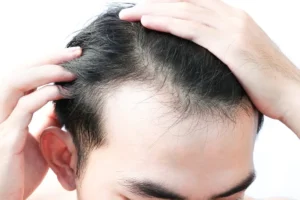
Estrogen helps keep hair follicles in the growth (anagen) phase longer. When estrogen drops, follicles spend more time in the resting (telogen) phase, resulting in increased shedding. Additionally, the relative rise in androgens can miniaturize hair shafts, especially on the crown and frontal scalp.
Common Signs of Menopause‑Related Hair Loss
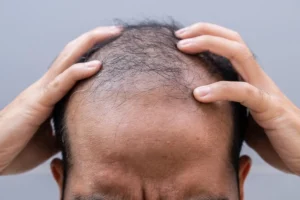
- Widening part or thinning at the crown
- Increased hair shedding during washing
- Reduced hair volume and texture changes
Identifying these patterns early allows you to intervene with targeted nutrition and lifestyle adjustments before significant thinning becomes permanent.

Key Nutrients That Support Hair Growth
While no single vitamin can fully stop menopause‑induced hair loss, a combination of essential nutrients can strengthen follicles, improve scalp health, and promote thicker strands. Below are the most researched nutrients for hair vitality.
Essential Vitamins and Minerals
- Biotin (Vitamin B7): Supports keratin production and improves hair elasticity.
- Vitamin D: Crucial for follicle cycling; deficiency is linked to increased shedding.
- Iron: Enhances oxygen delivery to hair cells; low iron often correlates with diffuse thinning.
- Zinc: Regulates hormone balance and reduces scalp inflammation.
- Omega‑3 Fatty Acids: Provide anti‑inflammatory benefits and nourish the scalp.
| Nutrient | Primary Benefit for Hair | Top Food Sources |
|---|---|---|
| Biotin | Keratin synthesis, reduces breakage | Eggs, nuts, salmon |
| D Vitamini | Follicle activation, reduces telogen phase | Fatty fish, fortified dairy, sunlight exposure |
| Iron | Oxygen transport to hair cells | Red meat, lentils, spinach |
| Zinc | Hormone regulation, scalp health | Pumpkin seeds, oysters, chickpeas |
| Omega‑3 | Anti‑inflammatory, moisturizes scalp | Chia seeds, walnuts, mackerel |
Choosing a supplement that combines these nutrients can simplify daily intake and ensure balanced dosing. Look for products labeled as “hair growth vitamins for women” or “menopause hair loss support” to confirm they address these key areas.
Choosing the Right Hair Vitamins and Supplements
Not all supplements are created equal, and many marketed as “hair growth supplements” contain filler ingredients or insufficient dosages. Here’s how to evaluate products for effectiveness and safety.
What to Look For in a Quality Formula
- Transparent Ingredient List: Each vitamin and mineral should be clearly listed with exact amounts.
- Clinically‑backed dosages: Check that biotin is at least 5,000 µg and iron meets daily needs without exceeding safe limits.
- Third‑party testing: Certifications from NSF or USP indicate product purity.
- Absence of unnecessary additives: Avoid artificial colors, excessive sugars, or proprietary blends that hide quantities.
When searching for “best hair growth supplements for women,” prioritize those that combine the key nutrients highlighted earlier. Products labeled as “hair vitamins for women” often tailor dosages to female physiology, which can be advantageous during menopause.
Sample Ingredient Profile for an Ideal Supplement
- Biotin – 5,000 µg
- Vitamin D3 – 2,000 IU
- Iron (as ferrous bisglycinate) – 18 mg
- Zinc – 15 mg
- Omega‑3 (EPA/DHA) – 500 mg
- Vitamin C – 100 mg (enhances iron absorption)
These amounts align with research‑based recommendations for supporting hair density while remaining safe for most adults. Always consult a healthcare provider before starting a new regimen, especially if you have existing medical conditions or take medication.
Lifestyle Practices That Enhance Supplement Benefits
Vitamins work best when paired with supportive habits. Even the most potent “hair growth vitamins” can fall short if lifestyle factors undermine follicle health.
Nutrition and Meal Timing
Consume iron‑rich foods with vitamin C to boost absorption. For example, add citrus dressing to a spinach salad. Pair omega‑3 fatty acids with healthy fats (olive oil, avocado) to improve bioavailability.
Stress Management
Chronic stress elevates cortisol, which can exacerbate telogen shedding. Incorporate mindfulness practices, yoga, or regular walks to keep stress hormones in check.
Scalp Care Routine
- Gentle cleansing with sulfate‑free shampoo to avoid stripping natural oils.
- Scalp massage 2–3 times weekly to stimulate blood flow.
- Avoid excessive heat styling that can cause breakage.
Combining these habits with a balanced “hair vitamins for hair growth” regimen creates a synergistic effect, often leading to visible improvements within 3–6 months.
When Vitamins Aren’t Enough: Medical Options
For some women, nutritional support alone does not reverse significant thinning. In such cases, exploring professional hair restoration can provide lasting results.
Hair Transplant Overview
Modern techniques like Follicular Unit Extraction (FUE) and Direct Hair Implantation (DHI) offer minimally invasive solutions. These procedures relocate healthy follicles from a donor area (usually the back of the scalp) to thinning zones, ensuring natural‑looking growth.
At Gold City Saç, our experienced team tailors each transplant to the individual’s pattern of loss, scalp condition, and aesthetic goals. While vitamins remain a valuable adjunct for post‑procedure recovery, a transplant directly addresses the root cause of follicular depletion.
Integrating Supplements After Transplant
Post‑operative care often includes a short course of hair‑supporting vitamins to promote graft survival and reduce inflammation. Patients are advised to continue a balanced diet rich in the nutrients discussed earlier for optimal long‑term maintenance.
If you’ve tried “hair loss supplements” without noticeable change, scheduling a consultation can clarify whether a surgical approach is appropriate for your situation.
Why Choose Gold City Hair
Gold City Hair has been delivering personalized hair restoration solutions in Turkey since 2017. Our clinic combines advanced FUE and DHI techniques with transparent communication, ensuring every patient understands the process and expected outcomes. By integrating medical expertise with supportive nutrition advice, we help you achieve lasting confidence and a natural‑looking hairline.
Ready to restore your hair’s fullness? Contact Gold City Hair today to schedule a free, no‑obligation consultation and discover the best plan for your unique needs.
SSS
What vitamins help with hair thinning during menopause?
Biotin, vitamin D, iron, zinc, and omega‑3 fatty acids are the most researched nutrients for supporting hair during menopause.
How does estrogen affect hair growth?
Estrogen prolongs the anagen (growth) phase of hair follicles, keeping hair thicker for longer.
Can biotin alone prevent menopause‑related hair loss?
Biotin supports hair strength but alone is unlikely to stop menopause‑related thinning.
What lifestyle changes enhance the effectiveness of hair vitamins?
Balanced nutrition, stress management, proper scalp care, and consistent supplement timing boost results.
When should I consider a hair transplant instead of supplements?
If hair thinning is extensive, persistent after 6‑12 months of nutrition and lifestyle changes, a transplant may be appropriate.
How much biotin should I take for hair growth?
A daily dose of 5,000 µg (5 mg) of biotin is commonly recommended for hair health.