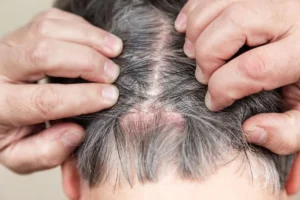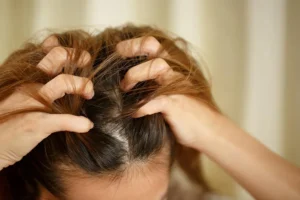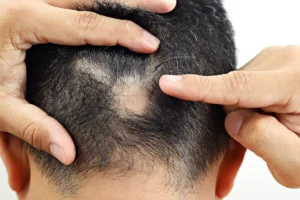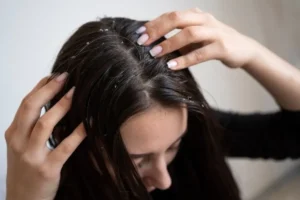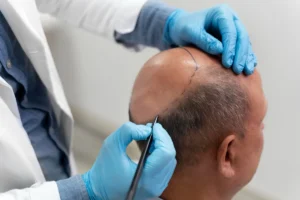
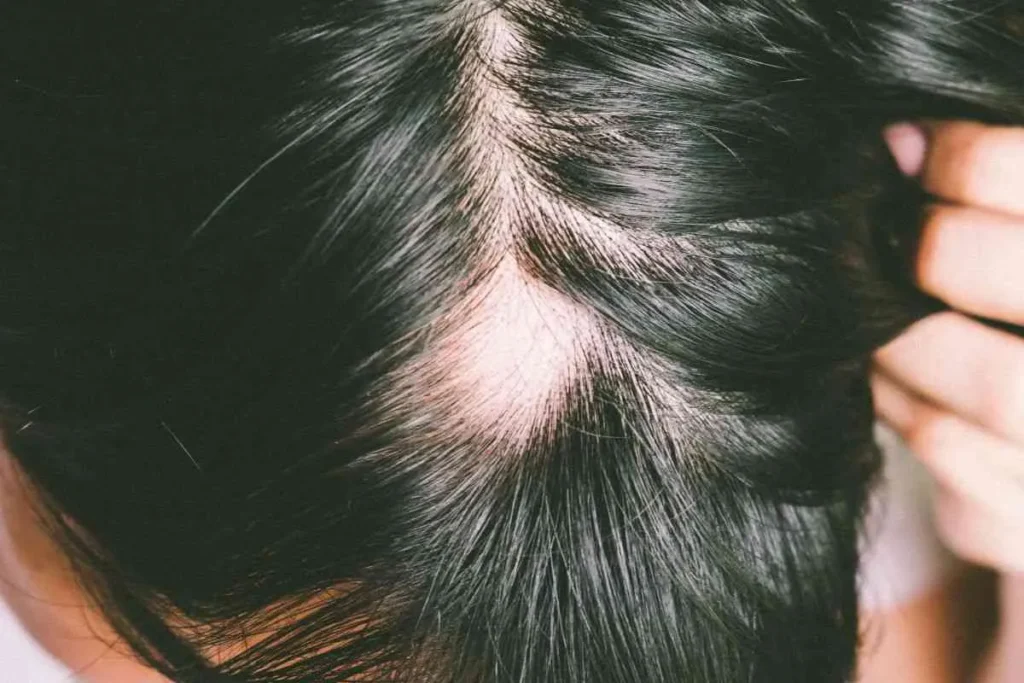
Alopecia areata is a chronic autoimmune disorder that affects about 2% of the world’s population. It causes significant impacts on quality of life and mental health. It shows up as hair loss, usually in patches, and can be unpredictable. Look for alopecia areata regrowth signs to celebrate big wins! Learn how to spot new hair and what treatments help speed up your recovery.
Managing alopecia areata means understanding the condition and finding ways to stop more hair loss. While there’s no cure, different treatments and strategies can help manage it better.
Exploring the latest dermatological treatments and getting psychological support can help. This way, individuals can regain confidence and learn to manage their condition well.
Önemli Çıkarımlar
Understanding alopecia areata is key to managing it well.
Dermatological treatments can help stop more hair loss.
Comprehensive psychological support is vital for coping with the condition.
Practical strategies can empower individuals to manage alopecia areata.
Regaining confidence is a big part of the recovery process.
Alopesi Areata'yı Anlamak
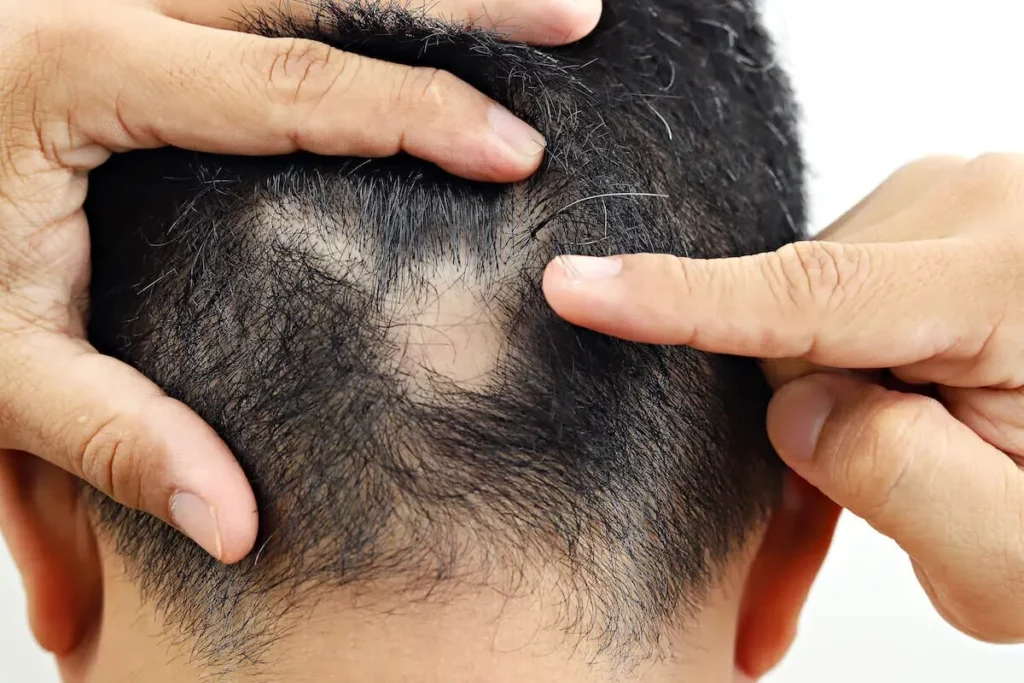
Alopecia areata is a condition where hair loss happens because of the body’s immune system. It can affect a person’s life quality a lot.
What is Alopecia Areata?
Alopecia areata is an autoimmune condition that leads to non-scarring hair loss. It can show up in different ways, like patchy bald spots or total hair loss on the scalp or body. This happens when the immune system attacks the hair follicles.
The Autoimmune Nature of the Condition
The exact cause of alopecia areata is not fully known. It’s thought to be a mix of genetics and environment. The main issue is the body’s immune system attacking the hair follicles, stopping hair from growing.
Types and Manifestations of Hair Loss
Alopecia areata can show up in several ways, including:
Patchy hair loss: Characterized by distinct bald patches on the scalp or body.
Alopecia totalis: Involves the loss of all hair on the scalp.
Alopecia universalis: Extends to the loss of all body hair, including eyebrows and eyelashes.
These types can vary a lot between people, and how it changes over time can differ too.
Global Prevalence and Demographics
Recent studies from 1990 to 2021 show that while the rate of alopecia areata has gone down, the number of cases keeps going up. This is because more people are getting older and the population is growing. It affects people of all ages and backgrounds, making it important to raise awareness and find good ways to manage it.
Knowing these trends helps doctors and researchers come up with better ways to help people with alopecia areata.
The Progression and Spread of Alopecia Areata
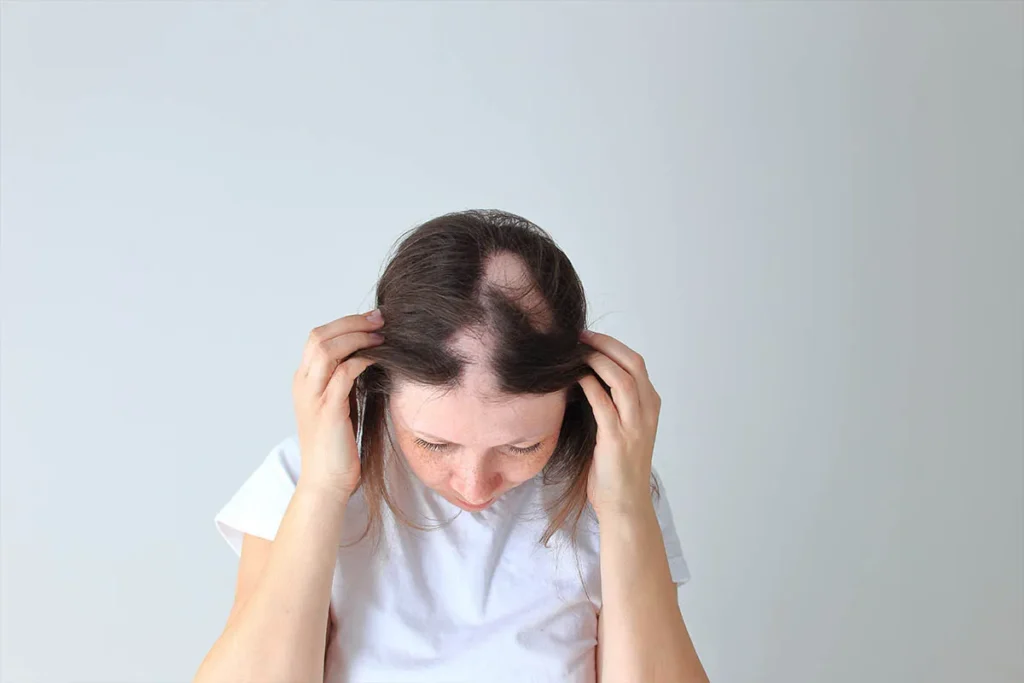
Alopecia areata is hard to predict. It can affect people differently. Some might lose hair once, while others may lose it many times.
Does Alopecia Areata Spread?
People with alopecia areata worry about it spreading. It can, but how much and how fast varies. Health, stress, and other autoimmune diseases play a role.
Knowing it’s an autoimmune disease helps. It’s key to understanding how to stop alopecia hair loss.
Patterns of Hair Loss Progression
Hair loss in alopecia areata can follow different paths. Some might lose hair in one spot, while others lose it in many. In the worst cases, all hair on the scalp or body can be lost.
Watching how hair loss spreads is important. If a alopecia bald spot is getting bigger, seeing a doctor is a good idea.
Spontaneous Remission and Relapse Cycles
Alopecia areata can go away on its own, but it often comes back. About 80% of people see hair grow back within a year. But, it can come back suddenly.
Knowing about these cycles helps manage expectations. The chance of hair coming back is hopeful. But, the condition’s unpredictability means always being ready to adjust treatment plans.
Factors That May Trigger Spreading
Stress, other autoimmune diseases, and genetics can make alopecia areata spread. Finding and managing these triggers is key to controlling it. For those wondering can you stop alopecia from spreading, tackling these factors is important.
Understanding what makes alopecia areata spread helps manage it. This includes making lifestyle changes, managing stress, and possibly using medicine to stop it from getting worse.
How to Stop Alopecia Areata From Spreading
To stop alopecia areata from spreading, you need a mix of medical treatments, lifestyle changes, and support. It’s key to know the different options and how they fit your needs.
Medical Treatments and Interventions
Medical treatments are vital for managing alopecia areata. Corticosteroids help reduce inflammation and encourage hair growth. They can be given as injections, creams, or pills. Immunotherapy works by making the skin react to chemicals, which can help hair grow back.
A study in the Journal of the American Academy of Dermatology shows that combination therapy can work well. Medical Expert, a dermatologist, says, “Mixing treatments can help patients with alopecia areata get better results.”
Lifestyle Modifications
Managing stress and eating well are key for those with alopecia areata. Stress management techniques like meditation, yoga, and deep breathing can help. They reduce the emotional impact of the condition.
Meditation and mindfulness practices
Yoga and physical exercise
Balanced diet rich in vitamins and minerals
Psychological Support and Coping Strategies
Psychological support is essential for those dealing with alopecia areata. Counseling and support groups offer a safe place to share and learn. They help with coping.
The National Alopecia Areata Foundation says, “Support groups are key for emotional support.”
Joining a support group
Seeking professional counseling
Connecting with others through online forums
Sonuç
Understanding and managing alopecia areata is key for those affected. By using a full approach, people can lessen its impact. They can also learn to stop alopecia from spreading.
Good management includes medical treatments, lifestyle changes, and mental support. Knowing how to stop alopecia areata from getting worse can greatly improve life. It helps those dealing with hair loss.
Quick action on alopecia spots on the head and getting professional advice is important. It can lead to better results. With the right steps and support, people can manage their condition.
SSS
Does alopecia areata spread, and if so, how?
Yes, Alopecia areata can spread unpredictably. It may enlarge existing patches or create new bald spots due to autoimmune attack on hair follicles.
How can I stop alopecia areata from spreading?
Early treatment with corticosteroids, topical immunotherapy, or other prescribed medications may help slow progression.
What are the factors that may trigger the spread of alopecia areata?
Triggers may include stress, infections, genetic predisposition, autoimmune activity, and hormonal changes.
Can alopecia areata be cured, and if so, how?
There is no permanent cure, but treatments can promote regrowth and control flare-ups.
How can I prevent alopecia areata from spreading to other areas of my body?
Managing stress, treating flare-ups early, maintaining overall health, and following medical advice may reduce progression risk.
Are there any remedies for alopecia areata that can help prevent its spread?
Medical treatments are most effective; supportive measures like a balanced diet and stress reduction may help overall hair health.
Can stress trigger the spread of alopecia areata?
Yes, emotional or physical stress can trigger or worsen autoimmune responses in some individuals.
How can I cope with the emotional impact of alopecia areata?
Seek support from counselors, support groups, family, or friends, and consider protective styling or cosmetic options to boost confidence.
Referanslar
New England Journal of Medicine. Evidence-Based Medical Insight. Retrieved from https://www.nejm.org/doi/full/10.1056/NEJMoa2110343