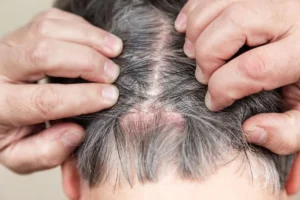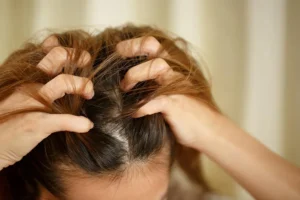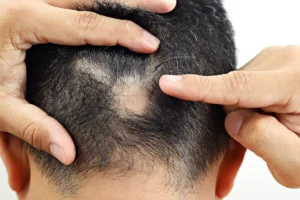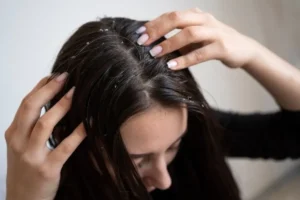
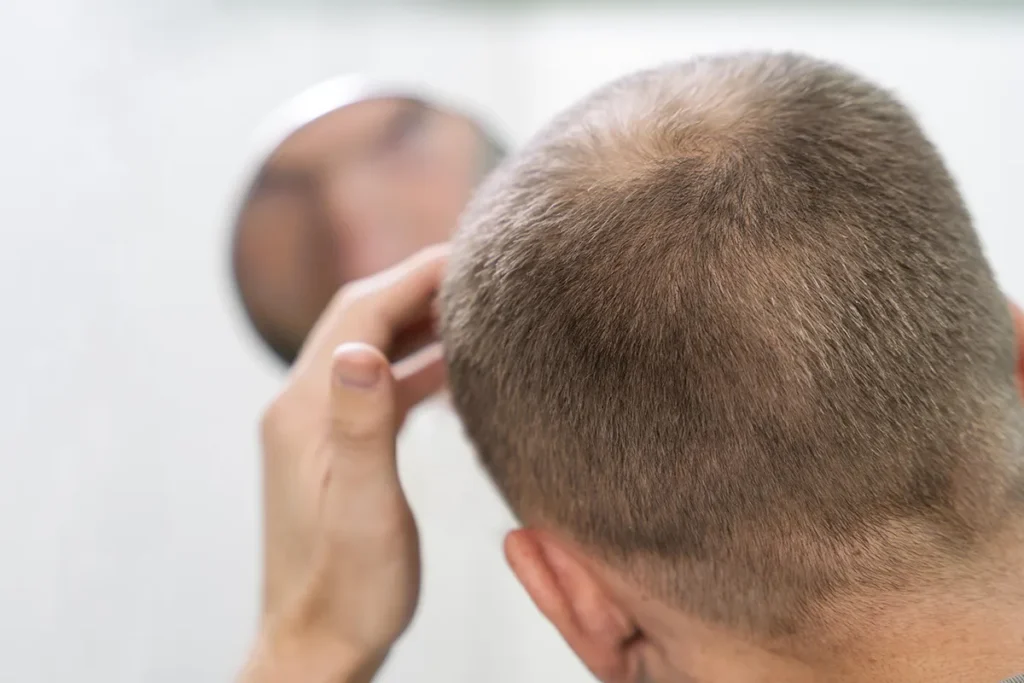
Experiencing sudden, uniform thinning across your scalp can be distressing. Diffuse hair loss affects millions worldwide, yet many remain unaware of effective treatment options.
Fix alopecia diffuse hair loss with this amazing win. Use powerful, incredible remedies to stop scary thinning and regrow your hair now.
This condition is characterized by uniform thinning across the scalp, unlike localized patches. It affects about 1-2% of the global population.
Understanding the causes, symptoms, and treatment options is key for those affected. In this guide, we’ll explore diffuse alopecia and how to treat it effectively.
Önemli Çıkarımlar
Diffuse hair loss is a condition characterized by uniform thinning across the scalp.
It affects approximately 1-2% of the global population.
Understanding the causes and symptoms is critical for effective treatment.
Various treatment options are available, including medications and lifestyle changes.
Consulting a dermatologist is essential for personalized treatment.
Understanding Diffuse Hair Loss

It’s important to understand diffuse hair loss to find good treatments. This type of hair loss spreads evenly over the scalp, not in patches. It can make people feel bad about themselves and affect their happiness.
What Is Diffuse Hair Thinning?
Diffuse hair thinning means hair gets thinner all over the scalp. It’s different from pattern hair loss, which follows a certain path. Many things can cause it, like hormonal changes, not eating right, and stress.
Nutritional deficiencies are a big part of diffuse hair thinning. Not getting enough iron, zinc, and biotin can lead to hair falling out. Eating a balanced diet is key to keeping your hair healthy.
Diffuse vs. Pattern Hair Loss
Knowing the difference between diffuse and pattern hair loss is important. Pattern hair loss, or androgenetic alopecia, follows a certain pattern, like a receding hairline. Diffuse hair loss spreads out evenly and can happen anywhere on the scalp.
Who Is Affected by Diffuse Hair Loss
Anyone can get diffuse hair loss, but women are a bit more likely to. Hormonal imbalances, stress, and not eating well can make it more common.
Women experiencing diffuse hair loss often feel very upset. Finding the cause and getting treatment is important to feel better.
Knowing what causes diffuse hair loss helps find the right treatment. It might mean fixing nutritional problems, managing stress, or trying medical treatments. A full plan is best to fight diffuse hair loss.
Causes of Alopecia Diffuse Hair Loss

Diffuse hair loss comes from many factors. Hormones, nutrition, and the environment all play a part. This condition makes hair thin all over the scalp.
Hormonal Imbalances
Hormones are key in diffuse hair loss. Thyroid problems are a big cause. They affect hair growth cycles.
Changes in estrogen and progesterone also impact hair. This happens during pregnancy or menopause.
Nutritional Deficiencies
A bad diet harms hair. Iron deficiency is a common cause. Iron helps carry oxygen to hair follicles.
Vitamin D deficiency also leads to hair loss. Vitamin D is important for hair growth.
Stress and Environmental Factors
Stress, both physical and emotional, causes hair loss. It raises cortisol levels, disrupting hair growth.
Environmental pollutants and toxins also harm hair. They damage follicles and slow growth.
Medical Conditions and Medications
Some diseases, like autoimmune diseases like alopecia areata, cause hair loss. Alopecia areata attacks hair follicles.
Medications for treating depression, high blood pressure, and cancer can also cause hair loss. Their chemicals disrupt hair growth.
Effective Treatment Options for Diffuse Hair Loss
Dealing with diffuse hair loss means looking at different treatments. This includes medicines and changes in lifestyle. The best plan often mixes these, tailored to each person’s needs.
Treatments for Women
Women with diffuse hair loss start with fixing hormonal and nutritional issues. Minoxidil is often suggested to boost hair growth. Eating well, with lots of vitamins and minerals, is also key.
Some women might need hormonal treatments. This could be birth control pills or hormone replacement therapy, based on their hair loss cause.
Treatments for Men
Men with diffuse hair loss often get treatments for hormonal hair loss. Finasteride blocks DHT, a hormone that causes hair loss.
Minoxidil also helps men, making hair grow and slow down loss. Changing lifestyle, like reducing stress and eating right, helps too.
Universal Treatment Approaches
Some treatments work for both men and women. Taking supplements like biotin, vitamin D, and fish oil is good for hair.
Low-level laser therapy (LLLT) is another universal method. It uses a low-level laser or light device to boost hair growth by improving scalp blood flow.
Professional Medical Interventions
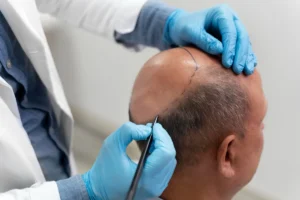
In serious cases, medical help is needed. Hair transplantation moves hair follicles to bald spots. It’s a way to grow hair back in lost areas.
Platelet-rich plasma (PRP) therapy is another option. It injects PRP, made from the patient’s blood, into the scalp. PRP has growth factors that help hair grow.
Fixing diffuse hair loss takes time and a detailed plan. Knowing the treatment options and working with a doctor helps create a good plan. This plan can help address hair loss and encourage new growth.
Conclusion: Taking Action Against Diffuse Hair Loss
Diffuse hair loss is treatable, and acting early can make a big difference. Knowing the causes, symptoms, and treatments helps people fight this condition. It also encourages hair growth.
Dealing with diffuse hair loss needs a full plan. This means fixing hormonal issues, getting enough nutrients, and managing stress. Getting professional advice is key to finding the right treatment.
There are good treatments for both men and women, and starting early stops more hair loss. Being proactive helps people get better results and feel more confident about how they look.
When fighting diffuse hair loss, being patient and sticking to the plan is vital. The right treatment can lead to great results and better health overall.
SSS
What is diffuse hair loss?
Diffuse hair loss means your hair thins out evenly all over your scalp. It’s not just in patches.
What causes diffuse hair loss?
Hormonal imbalances, not eating right, stress, and some health issues can lead to diffuse hair loss.
How is diffuse hair loss different from pattern hair loss?
Diffuse hair loss spreads out evenly. Pattern hair loss, on the other hand, follows a specific pattern, usually on the top or front.
What are the treatment options for diffuse hair loss?
You can try medications like minoxidil and finasteride, or eat better. Changing your lifestyle and getting medical help like hair transplants or PRP therapy are also options.
Can diffuse hair loss be treated in both men and women?
Yes, both men and women can get diffuse hair loss treated. The treatment will depend on the cause and your situation.
What role do nutritional deficiencies play in diffuse hair loss?
Not getting enough iron or vitamin D can make your hair thin out evenly.
Can stress cause diffuse hair loss?
Yes, stress and things like pollution can make your hair thin out evenly.
What medical conditions can cause diffuse hair loss?
Autoimmune diseases, thyroid problems, and some skin issues can make your hair thin out evenly.
Are there any medications that can cause diffuse hair loss?
Yes, some medicines can make your hair thin out evenly as a side effect.
How can I prevent further hair loss and promote regrowth?
Start treatment early, make lifestyle changes, and get the right care to stop hair loss and help your hair grow back.
Referanslar
Ulusal Biyoteknoloji Bilgi Merkezi. Kanıta Dayalı Tıbbi Öngörü. Erişim adresi https://pubmed.ncbi.nlm.nih.gov/12196747/