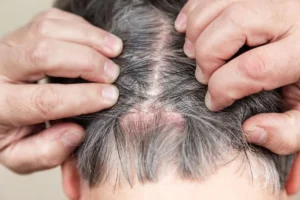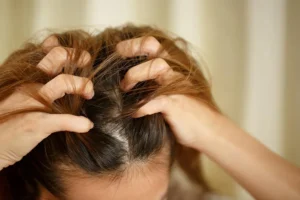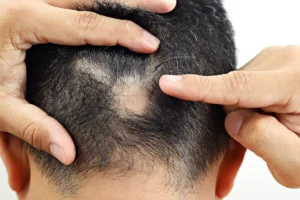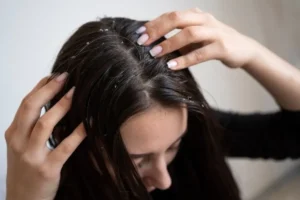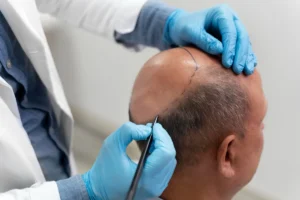
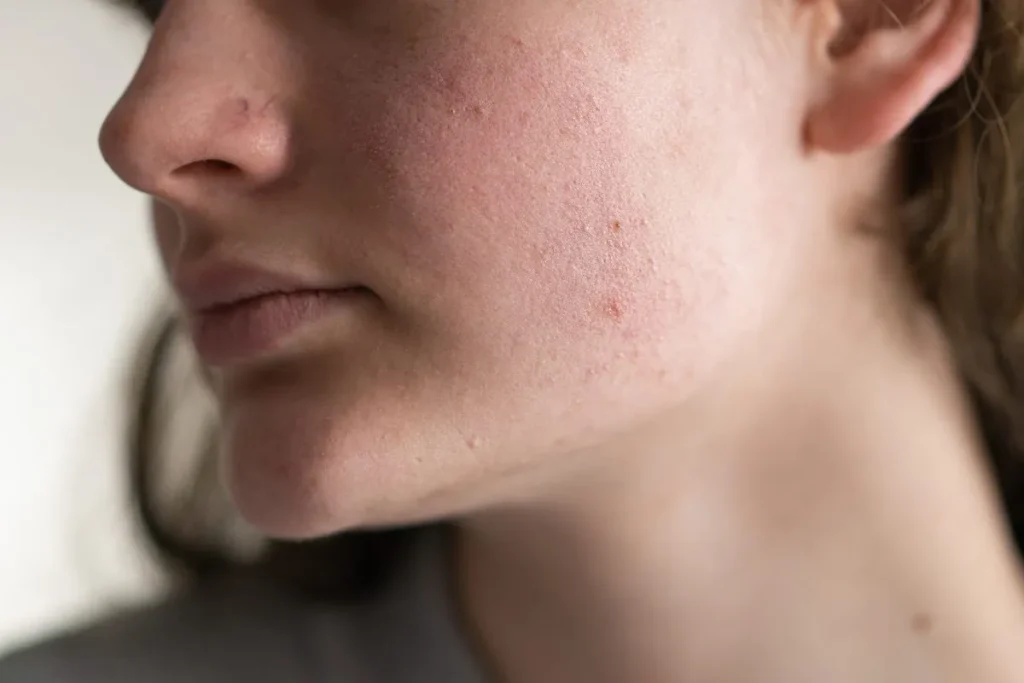
A dry, itchy scalp can really get in the way of feeling good about yourself. Millions of people around the world deal with flaky, irritated scalps. They’re looking for ways to stop the discomfort and the shame.
Use apple cider vinegar for dry scalp to get big wins against flakes. This natural treatment balances pH and restores scalp health quickly.
More and more people are looking for effective, natural treatments to fix their scalp problems. They want to avoid harsh chemicals. A common household item is getting a lot of attention for its ability to fight off bad bacteria and reduce swelling.
Looking into natural diy scalp treatments can really help. This guide will show you the best home remedies backed by dermatologists. You’ll learn how to get your scalp back to health and feel confident again.
Önemli Çıkarımlar
Discover natural treatments for dry scalp conditions.
Learn about the benefits of using home remedies for scalp health.
Understand how to promote a healthier scalp environment naturally.
Explore diy scalp treatments that are effective and easy to apply.
Regain confidence with a healthier, itch-free scalp.
Understanding Dry Scalp: Causes and Symptoms
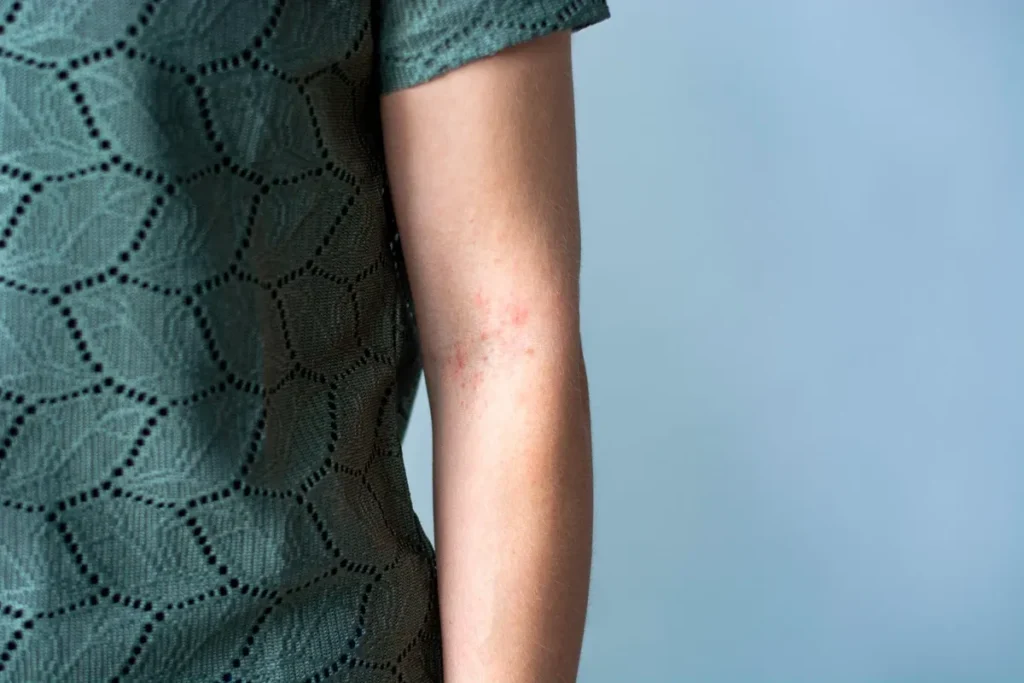
Knowing what causes and shows symptoms of dry scalp is key to treating it. Dry scalp can be hard to handle, but knowing its causes and signs helps start the healing process.
What Causes Dry Scalp?
Dry scalp comes from many things, like harsh weather, bad hair products, and health issues. Environmental stressors like cold, dry air, and too much sun take away scalp moisture, causing dryness and itchiness.
Products with sulfates and other drying stuff make it worse.
Fungi like Malassezia can upset the scalp’s balance, leading to dryness.
Conditions like eczema, psoriasis, or dermatitis can also cause dry scalp.
Dry Scalp vs. Dandruff: Spotting the Difference
Many mix up dry scalp with dandruff, but they’re different. Dandruff has bigger, oilier flakes and often comes with redness and swelling.
Dry scalp has smaller, drier flakes and is more about dryness and itchiness. Knowing the difference is key to picking the right treatment.
Common Symptoms to Watch For
Spotting dry scalp symptoms early is important. Look out for:
Kafa derisinde pullanma veya kabuklanma
Dryness or tightness on the scalp
Itchiness or irritation
Redness or inflammation in severe cases
Being aware of these signs lets you act fast to manage your dry scalp and stop it from getting worse.
Apple Cider Vinegar for Dry Scalp: A Natural Solution
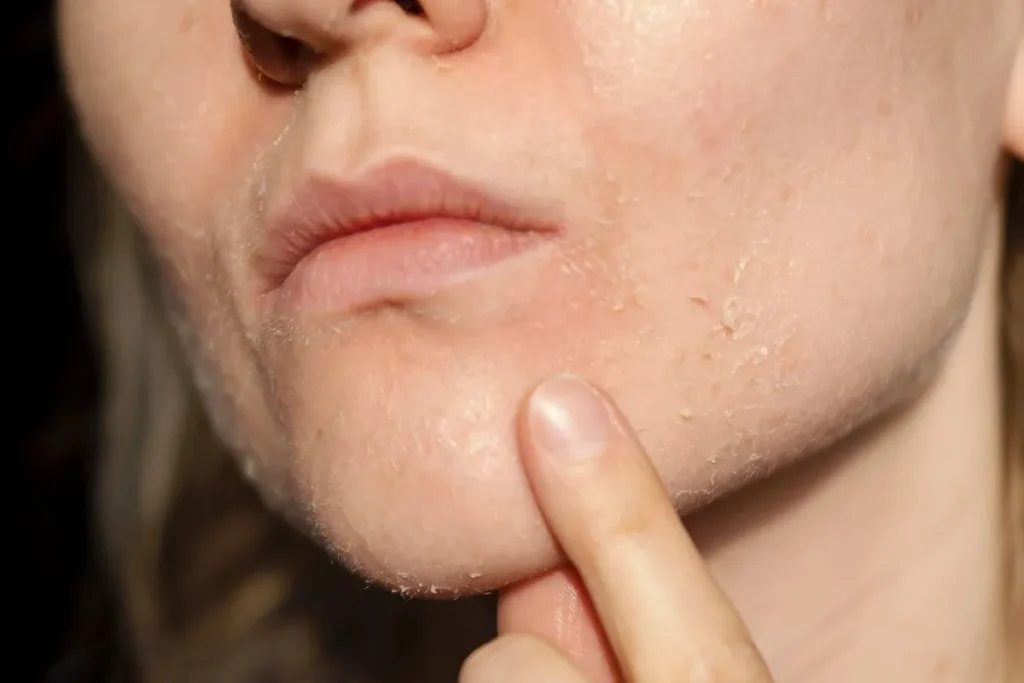
Apple cider vinegar is a natural fix for dry scalp. It’s known for its ability to fight off bad bacteria and reduce inflammation. This helps keep your scalp’s pH balanced and stops itching.
Benefits for Your Scalp
Apple cider vinegar is great for dry scalp. Its antimicrobial properties stop yeast and other harmful stuff from growing. Its anti-inflammatory properties also calm an itchy scalp, easing irritation.
The acidity in apple cider vinegar balances your scalp’s pH. This makes it harder for bad bacteria to grow. A healthy scalp is key for hair growth.
DIY Apple Cider Vinegar Treatment Recipe
Making a DIY apple cider vinegar treatment is easy. Here’s how:
Mix 1 part apple cider vinegar with 1 part water.
Put the mix on your scalp and massage it in.
Leave it on for 5-10 minutes, then rinse with warm water.
Shampoo and condition as usual.
Do this treatment once or twice a week, depending on your scalp’s needs.
Precautions When Using Apple Cider Vinegar
Even though apple cider vinegar is natural, use it carefully. Pure apple cider vinegar can be too harsh. Always mix it with water as shown in the recipe.
By using apple cider vinegar right and taking precautions, you can get a healthier, itch-free scalp.
Conclusion: Maintaining a Healthy Scalp Naturally
Getting a healthy scalp is possible with natural remedies like apple cider vinegar. Knowing the causes and symptoms of dry scalp is the first step to a flake-free life.
To keep your scalp healthy naturally, you need to care for it properly and eat right. Using home remedies, like apple cider vinegar treatments, can help. They promote scalp health and reduce flakiness.
By focusing on long-term scalp care and trying natural remedies, you can get lasting results. You’ll enjoy a healthy, itch-free scalp. With the right care and commitment, you can overcome dry scalp problems and feel better.
SSS
What is dry scalp and how does it differ from dandruff?
Dry scalp is caused by lack of moisture, leading to tightness and flaking. Dandruff often involves oil imbalance and fungal growth, producing larger, greasier flakes.
How can I treat dry scalp naturally at home?
You can moisturize with oils like coconut or olive oil, use aloe vera, take gentle lukewarm showers, and avoid harsh shampoos.
What are the benefits of using apple cider vinegar for dry scalp?
Apple cider vinegar balances scalp pH, removes buildup, and can reduce itching and flakiness.
How do I use apple cider vinegar to treat dry scalp?
Mix equal parts apple cider vinegar and water, apply to the scalp, leave for 5–10 minutes, then rinse thoroughly.
Are there any precautions I should take when using apple cider vinegar on my scalp?
Yes, always dilute it, avoid contact with broken skin, and do a patch test to prevent irritation.
Can I use apple cider vinegar on my scalp if I have color-treated hair?
Yes, but limit frequency and rinse thoroughly, as frequent use may affect hair color over time.
How often should I use apple cider vinegar to treat dry scalp?
Bunu kullanın once or twice a week for best results without over-drying.
Are there other natural remedies for dry scalp beside apple cider vinegar?
Yes, remedies include coconut oil, olive oil, aloe vera, honey, jojoba oil, and oatmeal masks to moisturize and soothe the scalp.
Referanslar
Ulusal Biyoteknoloji Bilgi Merkezi. Kanıta Dayalı Tıbbi Öngörü. Erişim adresi https://pmc.ncbi.nlm.nih.gov/articles/PMC8706394/