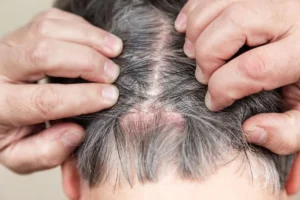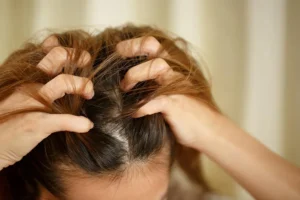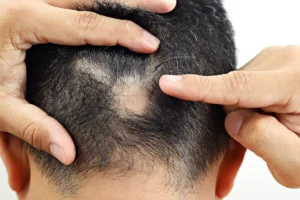
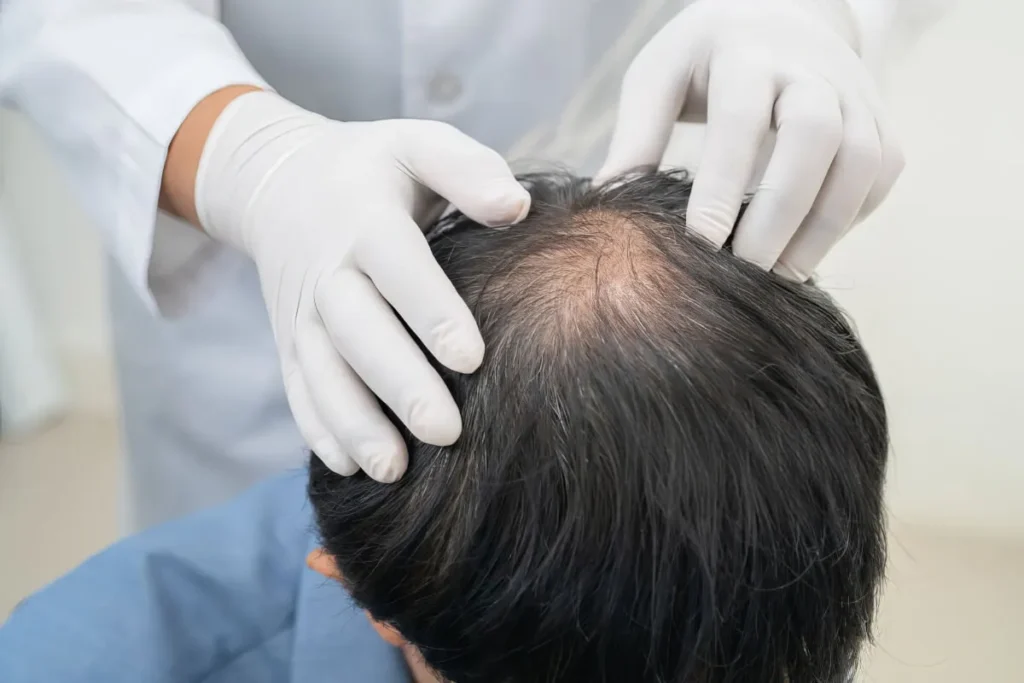
Experiencing hair loss at a young age can be upsetting. But it’s not rare. About 20% of men under 25 start to notice hair loss.
Male pattern baldness early on can hurt your looks and self-confidence. The bright side is that effective solutions can help slow down or even stop hair thinning.
Going bald at 25? Don’t panic. Check out 5 incredible solutions to regrow your hair and maintain your confidence with proven treatments.
Thanks to cutting-edge technology and personalized care, you can feel confident again. You can get the hair you’ve always wanted. By learning about hair loss causes and trying proven treatments, you’re on your way to thicker hair.
Önemli Çıkarımlar
Early detection is key to addressing hair loss
Proven treatments can slow or reverse hair thinning
Personalized care is essential for effective hair restoration
Advanced technology offers natural-looking results
Regaining confidence is a primary benefit of hair restoration
Understanding Early-Onset Male Pattern Baldness
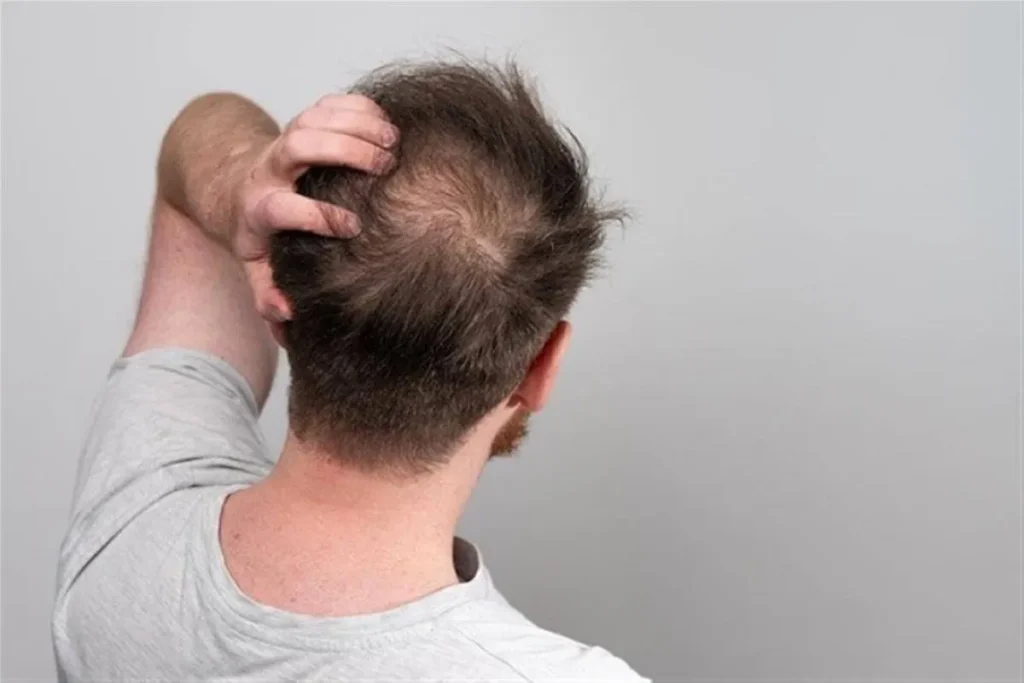
Male pattern baldness, or androgenetic alopecia, can start in the early twenties. It shows up as a specific pattern of hair loss. This often begins with a receding hairline or thinning at the crown.
The Science Behind Androgenetic Alopecia
Genetics and hormones drive androgenetic alopecia. Studies show genetics play a big role, with about 80% of the blame. The hormone DHT, a byproduct of testosterone, is key. It makes hair follicles shrink, leading to thinner, shorter hairs and eventually, no hair growth.
Genetic predisposition plays a significant role in how sensitive you are to DHT. If your dad or granddad lost their hair early, you might too.
Why Hair Loss Begins Before 25
Hair loss before 25 comes from genetics and hormones. DHT sensitivity is a big reason, as it shrinks hair follicles. Stress and not eating well can make it worse.
To fight hair loss, you need to know the causes and take action. By tackling the problems and using new treatments, you can slow down hair loss.
The Reality of Being Bald at 25
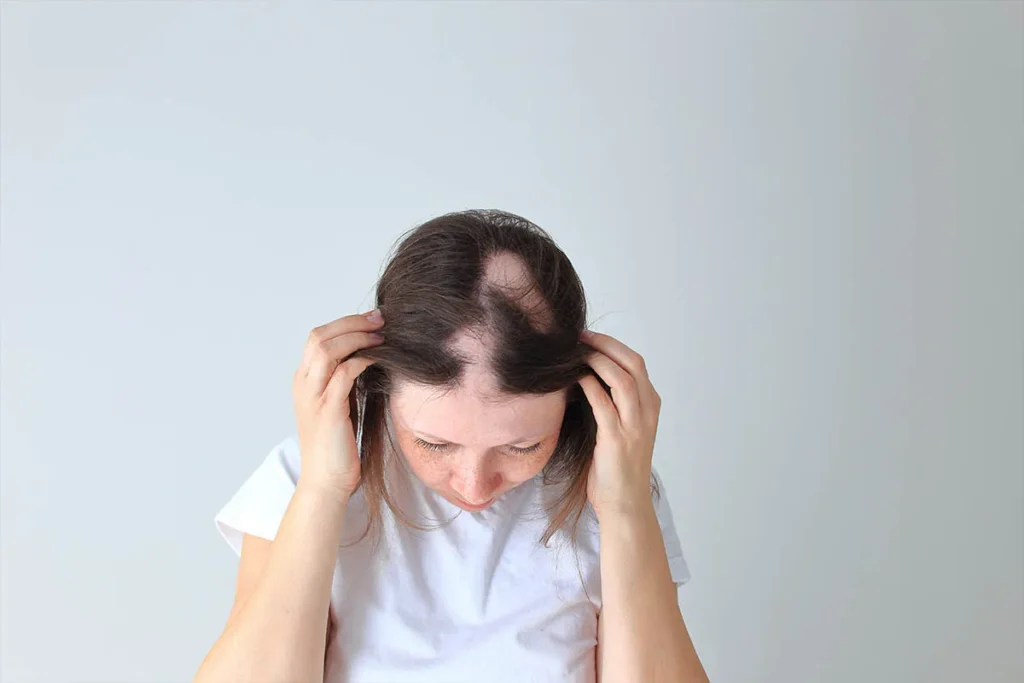
Losing hair in your 20s is more than just a cosmetic issue; it has profound psychological effects. Young men experiencing baldness often face significant emotional challenges that can impact their daily lives.
Psychological Impacts on Young Men
The onset of baldness at a young age can lead to feelings of insecurity and low self-esteem. Many young bald individuals experience anxiety and depression, which can affect their social interactions and overall well-being. The emotional distress caused by hair loss should not be underestimated.
Regaining confidence is key for those affected. By addressing hair loss early, young men can mitigate some of the psychological impacts. Early treatment not only helps in restoring hair but also in restoring confidence.
Why Early Treatment Leads to Better Outcomes
Early intervention is key to managing baldness effectively. When treatment begins early, the chances of successful hair restoration increase. This is because early treatment can prevent further hair loss and promote healthier hair growth.
By seeking treatment early, young men can benefit from advanced hair restoration techniques that offer natural-looking results. These modern methods not only address the physical aspects of hair loss but also provide emotional relief.
Ultimately, regaining a full head of hair can significantly improve one’s quality of life. It’s about more than just aesthetics; it’s about feeling confident and comfortable in one’s own skin.
5 Proven Solutions to Stop Hair Loss in Your 20s
Stopping hair loss at 25 is possible with the right treatments. Young men facing early balding can now find advanced solutions. These meet their specific needs.
FDA-Approved Medications
FDA-approved medications like minoxidil and finasteride are key. They slow hair loss and may even grow new hair. Minoxidil boosts scalp blood flow, while finasteride fights DHT, a balding hormone.
Advanced Hair Care Routines
Using advanced hair care routines is also important. Choose gentle, sulfate-free shampoos and avoid heat styling. Scalp massages and products with keratin, biotin, and saw palmetto help too.
Nutritional Interventions
Nutritional interventions are key for healthy hair. Eat foods rich in vitamins and minerals like iron, zinc, and biotin. Salmon, spinach, and almonds are great for your hair.
Clinical Treatments
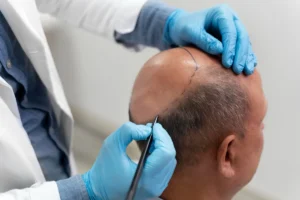
Clinical treatments help with severe hair loss. Hair restoration surgery, like DHI and Sapphire FUE, offers permanent, natural-looking results. It transplants healthy follicles to bald spots.
Regaining confidence through hair restoration is now easier. By trying these 5 proven solutions, young men can get a fuller head of hair. This boosts their confidence.
Sonuç
Experiencing hair loss at a young age, like being bald at 28, can be tough. But, thanks to hair restoration, regaining confidence is possible. Hair restoration surgery uses special follicles for lifelong growth.
Choosing a top hair restoration clinic is key. They offer the latest tech, care tailored just for you, and great results. Now, getting the hair you dream of is easier and pain-free.
For successful hair restoration, get professional help and choose solutions that fit you. With clear steps and expert advice, you can start your hair journey. You’ll get a fuller head of hair and feel more confident.
Hair restoration is more than looks; it’s about feeling good about yourself. It brings lifelong growth and a natural look. The benefits go beyond looks, improving your overall well-being.
SSS
What causes hair loss in young men?
Hair loss in young men is usually due to genetic factors (male pattern baldness), hormonal changes, stress, poor nutrition, or certain medical conditions.
Is balding at 23 a normal phenomenon?
Yes, it’s relatively common. Male pattern baldness can begin in the late teens or early 20s, and early onset is often genetic.
Can hair loss be stopped with medication?
Medications like minoxidil and finasteride can slow down or sometimes partially reverse hair loss, especially if started early.
How effective are clinical treatments for hair restoration?
Treatments like PRP therapy, low-level laser therapy, and hair transplants are generally effective, but results depend on severity, consistency, and individual response.
What role does nutrition play in preventing hair loss?
A balanced diet rich in protein, vitamins, and minerals supports hair health. Deficiencies in iron, zinc, vitamin D, or B vitamins can worsen hair loss.
Can I still achieve natural-looking results with a hair transplant?
Yes, modern techniques like FUE and DHI can create natural hairlines and density, especially when performed by an experienced surgeon.
Is it worth seeking professional help for hair loss at 25?
Absolutely. Early consultation helps diagnose causes, start treatment early, and preserve hair, which improves long-term outcomes.
Are the results of hair restoration treatments permanent?
Hair transplants are permanent for the transplanted hairs, but native hair may continue thinning, so ongoing care may be needed.
How long does it take to see results from hair loss treatments?
Minoxidil or medications can take 3–6 months, while PRP or transplants may show noticeable growth in 6–12 months.
What are the benefits of choosing a JCI-approved hospital for hair transplant?
A JCI-approved hospital ensures high standards of safety, quality care, experienced surgeons, proper hygiene, and better post-op monitoring, reducing risks and improving outcomes.
Referanslar
Ulusal Biyoteknoloji Bilgi Merkezi. Kanıta Dayalı Tıbbi Öngörü. Erişim adresi https://pubmed.ncbi.nlm.nih.gov/9865198/