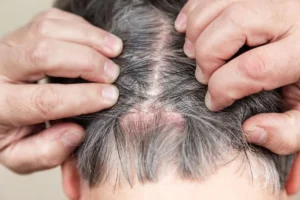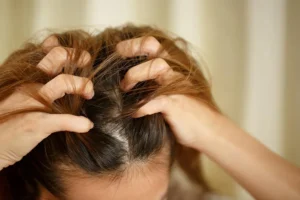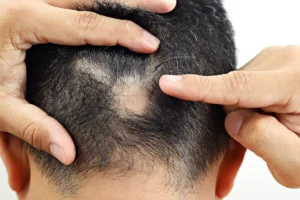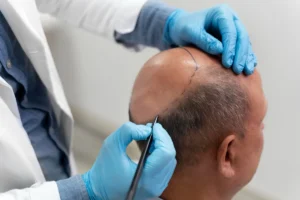
Millions of women worldwide face the issue of hair loss. By age 50, about 40% of women deal with hair loss. This can cause emotional pain and lower their self-confidence.
Find the best hair loss treatment for women today. Explore 7 fast wins to regrow thinning hair and restore your confidence and beauty now.
At gold city hair, we know how much hair loss affects a woman’s life. That’s why we offer effective, clinically-proven treatments made just for you. We use medication like minoxidil and spironolactone, and also advanced surgery. These options help fight female pattern baldness and bring back confidence.
Getting your hair back can change your life. We focus on personalized care and modern techniques for the best results. We promise a pain-free experience and expert transparency at every step of your hair restoration journey.
Önemli Çıkarımlar
Effective treatments for female hair loss include medication and surgical options.
Personalized care is key for successful hair restoration.
Modern techniques make the experience pain-free and comfortable.
Expert transparency helps guide patients through their journey.
Getting your hair back can greatly boost your confidence.
Understanding Female Hair Loss: Causes and Statistics
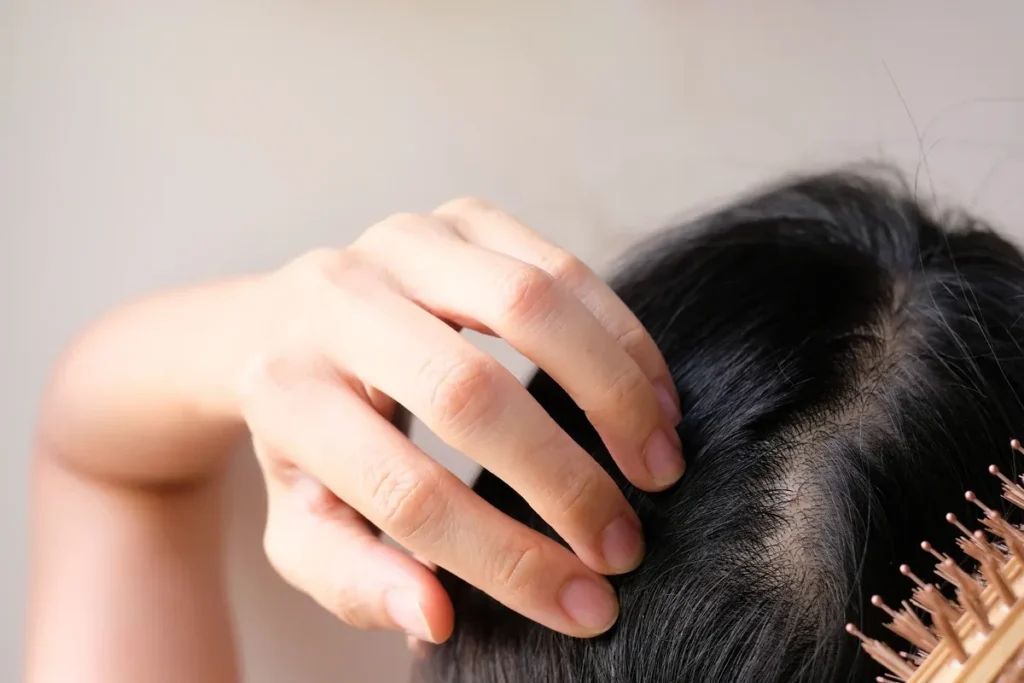
It’s important to know why women lose their hair. This knowledge helps find the right treatments and boosts confidence. Hair loss in women comes from genetics, hormones, and the environment.
Androgenetic Alopecia and Hormonal Hair Loss
Androgenetic alopecia, or female pattern hair loss, is common. It affects about 30 million women in the US. This condition makes hair thin on the top and crown of the scalp. Hormones, like DHT, are key players.
Hormonal changes also cause hair loss. This can happen during menopause, pregnancy, or with PCOS. Hormonal imbalance leads to thinner hair.
Age, Stress, and Other Contributing Factors
As women get older, hair growth slows. Hair follicles shrink, making hair thinner and shorter.
Stress is another big factor. It can cause telogen effluvium. This means many hair follicles stop growing and shed a lot.
Other things can also cause hair loss in women. These include not getting enough nutrients, some medicines, and styling that damages hair. Knowing these causes helps find the right treatment.
Best Hair Loss Treatments for Women: FDA-Approved Options
Now, women can regain confidence with FDA-approved hair treatments. These options help restore hair and boost self-esteem for those dealing with hair loss.
For female hair loss, the FDA has approved several treatments. These include topical and oral minoxidil, and Low-Level Laser Therapy (LLLT) devices. These methods have been tested and proven to help hair grow and stop further loss.
Topical Minoxidil 5% and 7.5% Formulations
Topical minoxidil is a common treatment for female hair loss. The 5% and 7.5% versions have shown to stimulate hair growth. Studies show the 7.5% version can improve hair density by 60%, making it a top choice for many.
Oral Minoxidil at Low Doses (1mg Daily)
Oral minoxidil, even at just 1mg daily, is as effective as the 5% topical version. It’s great for those who can’t use topical treatments or experience side effects. The small dose reduces side effects while keeping the treatment effective.
Low-Level Laser Therapy (LLLT) Devices
LLLT devices are also FDA-approved for female hair loss. They use low-level laser or light to stimulate hair growth. Studies have shown LLLT can greatly improve hair density and reduce shedding.
These FDA-approved treatments give women several effective options for hair loss. Knowing the benefits and how well each works helps them choose the right path for their hair restoration.
Prescription and Hormonal Treatment Approaches
Effective hair restoration for women often involves prescription treatments and hormonal therapies. These methods can help with hair loss caused by hormonal imbalances and genetics.
Spironolactone for Androgenetic Alopecia
Spironolactone is a medication that helps treat androgenetic alopecia in women. When used with minoxidil, it can lead to a 40% increase in hair density over 12 months. It’s a good option for those losing hair due to hormones.
Finasteride Options for Post-Menopausal Women
For post-menopausal women, finasteride can be a good choice for hair loss. It’s known for treating male pattern baldness but also works for women, often when combined with other treatments.
Anti-Inflammatory Treatments and Emerging Solutions
Anti-inflammatory treatments are also being looked at for hair loss. They aim to reduce inflammation that might cause hair loss. This could be a new way to treat hair loss.
Exploring these prescription hair loss treatments can help women regain their confidence. They can achieve their hair restoration goals.
Conclusion: Selecting the Right Hair Loss Treatment Strategy
Now, you can regain your confidence with many hair loss treatments available. It’s important to know why you’re losing hair and what treatments work best. This knowledge is key to getting the results you want.
There are many options, like FDA-approved minoxidil, low-level laser therapy (LLLT) devices, and spironolactone. Each one is designed for different needs. Finding the right treatment for you is the first step to growing your hair back.
Choosing a treatment that fits your hair journey is essential. This way, you can get full coverage and natural-looking results. Getting expert advice and personalized care makes the process clear. It helps you make the best choices for your hair.
Thanks to new technology, treating hair loss is more effective and easy to get. Picking the right treatment can lead to long-term hair growth. It also brings back your confidence.
SSS
What are the most effective treatments for female hair loss?
Effective treatments include topical minoxidil, oral medications, platelet-rich plasma therapy, low-level laser therapy, and in some cases hair transplant surgery.
How does androgenetic alopecia affect women?
Androgenetic alopecia in women causes gradual thinning of hair, especially at the crown and top of the scalp, while the frontal hairline is usually preserved.
Can stress cause hair loss in women?
Yes, high stress can trigger temporary hair shedding known as telogen effluvium, which usually improves once stress levels are reduced.
What is the role of hormonal changes in female hair loss?
Hormonal changes during pregnancy, menopause, thyroid imbalance, or conditions like PCOS can disrupt the hair growth cycle and lead to thinning.
Are there any non-invasive treatments for female hair loss?
Yes, options like topical minoxidil, nutritional supplements, laser therapy, and PRP injections are non-surgical treatments.
How effective is spironolactone in treating female hair loss?
Spironolactone can be effective for women with hormone-related hair loss, as it blocks androgen effects that contribute to thinning.
Can finasteride be used to treat hair loss in post-menopausal women?
Finasteride may be prescribed for post-menopausal women in certain cases, but it is not typically recommended for women of childbearing age.
What is the best hair loss treatment for women with androgenetic alopecia?
Topical minoxidil is generally considered the first-line treatment, sometimes combined with oral medications depending on individual needs.
Referanslar
Ulusal Biyoteknoloji Bilgi Merkezi. Kanıta Dayalı Tıbbi Öngörü. Erişim adresi https://pmc.ncbi.nlm.nih.gov/articles/PMC6322157/