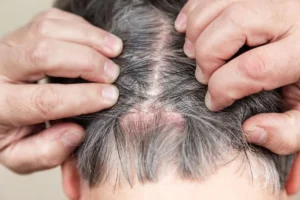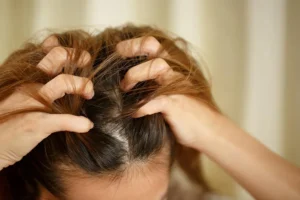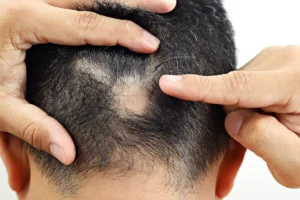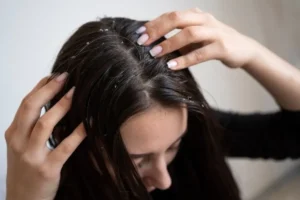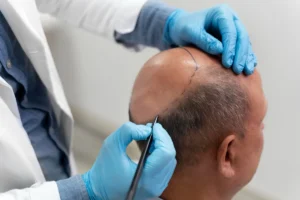
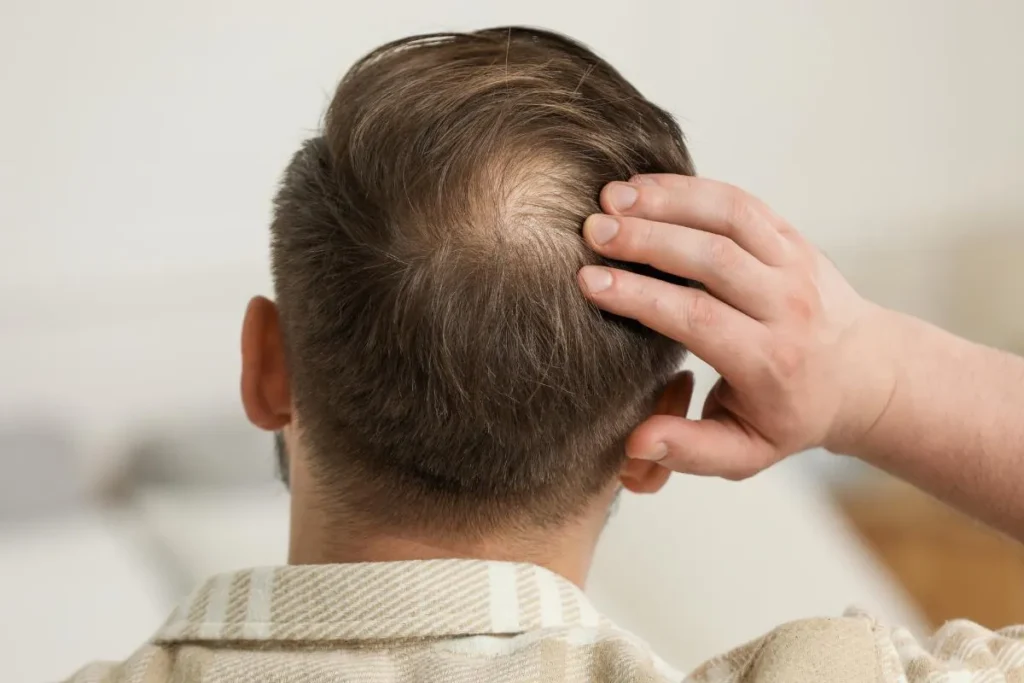
Hair loss is a common issue, hitting about 85% of men and 55% of women at some point. By 35, two-thirds of American men start to notice hair loss. This number grows to 85% by 50. Losing hair can really affect your mood, but the good news is you can regrow hair on bald spots.
Can bald spots grow back? Yes! Discover 5 powerful fixes and proven methods to stimulate follicles and regrow hair on stubborn bald patches.
Regaining your confidence begins with knowing your treatment options. Modern dermatology has many ways to help, from creams to advanced treatments. With top-notch medical care and a focus on you, finding a solution to hair loss is possible.
Finding the right treatment can change everything. By looking into proven methods, you can start growing hair again and feel more confident.
Önemli Çıkarımlar
Understand the causes of hair loss to choose the right treatment.
Explore topical treatments and prescription medications for hair regrowth.
Consider alternative therapies for stimulating hair growth.
Consult with a dermatology expert to determine the best approach.
Regain confidence with effective hair restoration methods.
Can Bald Spots Grow Back? Understanding Hair Loss
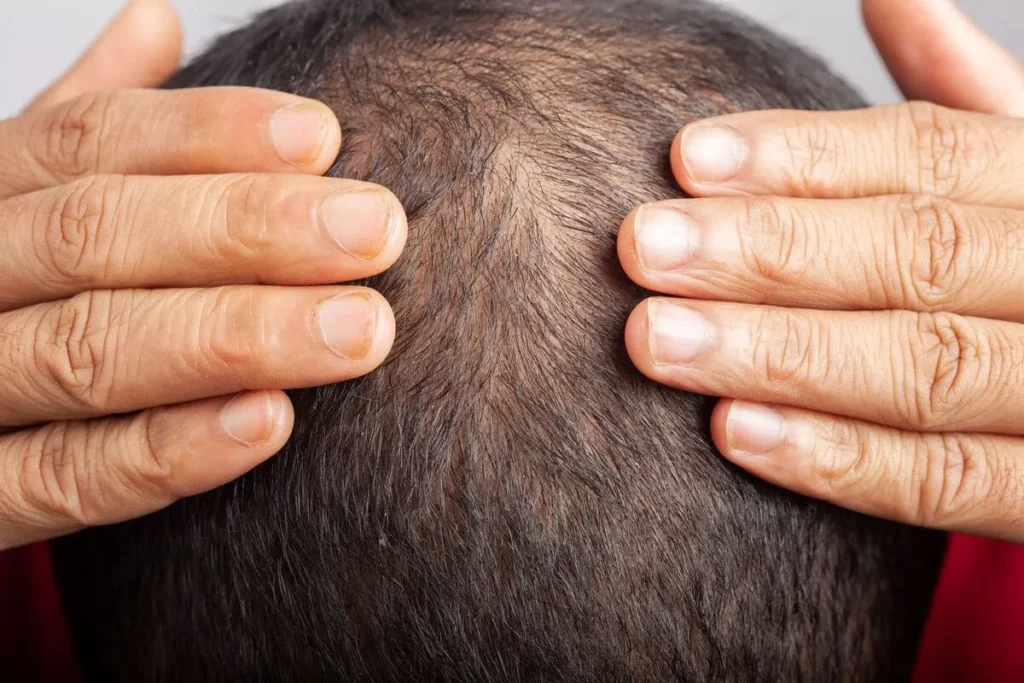
Whether bald spots can grow back depends on several factors. Hair loss, or alopecia, can be caused by stress, poor nutrition, and genetics. Knowing the cause is key to seeing if hair can grow back naturally.
The Science Behind Hair Loss
Hair loss happens when the hair growth cycle is broken. There are many types, like telogen effluvium and androgenetic alopecia. Telogen effluvium is when stress causes too much hair shedding. Androgenetic alopecia is a genetic condition that leads to hair loss in patterns.
The hair growth cycle has three phases: anagen (growth), catagen (transitional), and telogen (resting). Stress can push more hairs into the telogen phase, causing them to fall out.
Factors Affecting Natural Regrowth
Many things can affect hair regrowth on bald spots. These include:
Nutritional deficiencies: Not getting enough iron, zinc, and biotin can slow hair growth.
Stress levels: High stress can lead to hair loss.
Genetic predisposition: If your family has a history of baldness, you might lose hair too.
Hormonal changes: Hormonal imbalances, like too much DHT, can cause hair loss.
Fixing these issues can help hair grow. Eating well, managing stress, and treating hormonal imbalances can help.
Regaining confidence in your looks is possible by understanding hair loss. By trying different options and taking a personalized approach, you can work towards your hair goals.
5 Proven Methods to Regrow Hair on Bald Spots
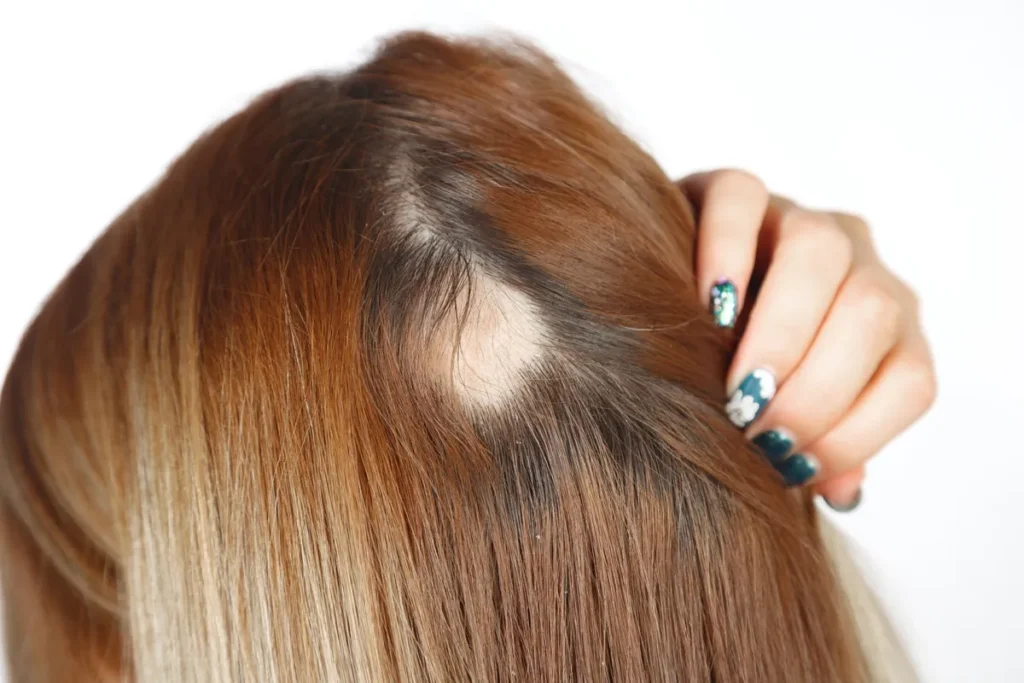
Now, regrowing hair on bald spots is possible thanks to new hair restoration methods. Many treatments have been created to help with hair loss. Knowing about these methods and how well they work is key to successful hair regrowth.
Topical Minoxidil: 30-40% Effectiveness in 3-6 Months
Topical minoxidil is a medicine approved by the FDA. It works by making blood vessels in the scalp wider and improving nerve function. Studies show it can help grow hair on bald spots, with a success rate of 30-40% in 3-6 months.
Regain your confidence with a fuller head of hair. You apply minoxidil directly to your scalp. It’s a simple and direct treatment.
Prescription Finasteride for Male Pattern Baldness
Prescription finasteride is a medicine that lowers dihydrotestosterone (DHT). DHT is a hormone that shrinks hair follicles. By reducing DHT, finasteride helps hair grow and slows down loss. It works well for male pattern baldness, with a success rate of 60-70% in 6-12 months.
Low-Level Laser Therapy for Non-Invasive Stimulation
Low-level laser therapy (LLLT) is a non-invasive treatment. It uses low-level laser or light-emitting diodes to stimulate hair growth. LLLT increases blood flow to the scalp, promoting hair growth. It’s not as effective as other treatments but can be a useful addition.
Corticosteroid Injections for Autoimmune-Related Hair Loss
Corticosteroid injections treat autoimmune-related hair loss, like alopecia areata. Injecting corticosteroids into the affected area reduces inflammation and stimulates hair growth. This treatment can regrow hair on bald spots, with a success rate of 40-50% in 3-6 months.
Understanding the different treatments available helps individuals make informed choices for their hair restoration journey. Whether through topical treatments, prescription medications, or non-invasive therapies, regrowing hair on bald spots is a realistic goal.
Sonuç
Regrowing hair on bald spots is possible with the right approach. There are many treatments available, like topical minoxidil and low-level laser therapy. It’s important to talk to a healthcare professional to find the best treatment for you.
Knowing if a bald spot can grow back is key to fighting hair loss. By looking into treatments and understanding what affects hair growth, you can start to feel better. While it’s tough, the right treatment can help grow new hair, making bald spots less noticeable.
Choosing a reliable partner and following a treatment plan tailored to you can lead to great results. With the right help and treatment, growing hair on bald spots is achievable. This can help you regain your confidence and get the hair you want.
SSS
Is it possible to grow your hair faster
Hair growth can be supported but not drastically accelerated; healthy habits and treatments may optimize growth
What is the average rate of hair growth
Hair grows about 0.5 inches (1.25 cm) per month or roughly 6 inches per year
Can genetics affect hair growth
Yes, genetics influence growth rate, thickness, and overall hair density
Are there any medically proven treatments for hair growth
Yes, minoxidil, finasteride (for men), PRP therapy, and certain nutritional supplements have evidence for promoting growth
Can scalp massage promote hair growth
Yes, scalp massage increases blood flow to follicles, supporting growth and thickness
How can I accelerate hair growth naturally
Maintain balanced diet, manage stress, avoid heat/chemical damage, use gentle care, and keep scalp healthy
Can you make hair grow faster with diet and nutrition
Yes, nutrients like protein, iron, zinc, biotin, vitamins A, C, D, and omega‑3s support healthy hair growth
Are there any styling tips that can help prevent breakage and loss
Avoid tight hairstyles, excessive heat, harsh chemicals, and rough brushing; use protective styles and gentle detangling
How can I implement a complete hair growth strategy
Combine proper diet, hair care routine, scalp stimulation, supplements if needed, and medical treatments under professional guidance
Can hair growth be sped up
Growth can be optimized but not dramatically sped up; focus on minimizing breakage and supporting follicle health
Referanslar
Ulusal Biyoteknoloji Bilgi Merkezi. Kanıta Dayalı Tıbbi Öngörü. Erişim adresi https://pubmed.ncbi.nlm.nih.gov/27539865/