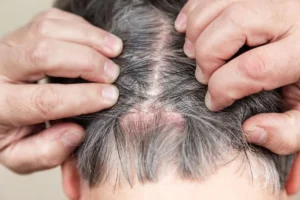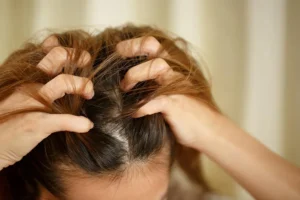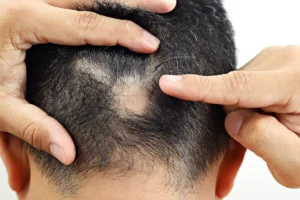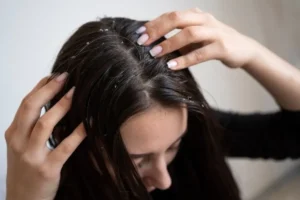
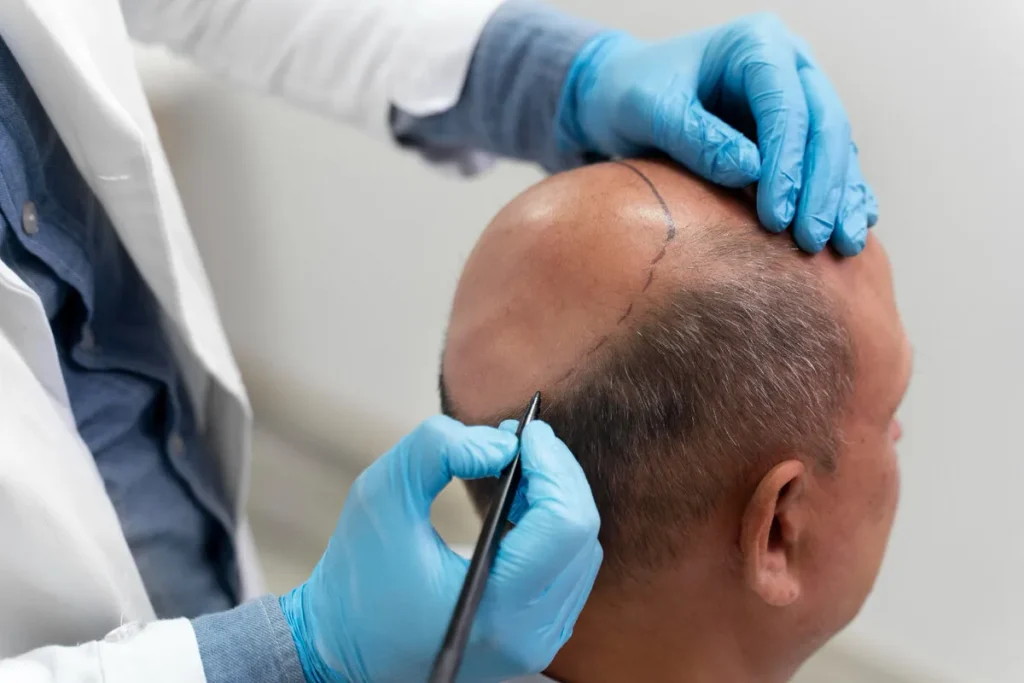
Cicatricial scarring alopecia causes permanent hair loss. It destroys hair follicles and replaces them with scar tissue. This makes hair loss irreversible and can be very upsetting.
The condition happens when inflammation damages hair follicles, causing scarring. Knowing the causes and types of scarring alopecias is important for treating it.
It’s important to catch cicatricial alopecia early and start treatment. There are many ways to deal with this tough condition.
Önemli Çıkarımlar
Permanent hair loss is a hallmark of cicatricial scarring alopecia.
Inflammation damages hair follicles, leading to scarring.
Understanding the condition’s causes is key to treatment.
Early detection and treatment are essential for managing it.
There are many treatment options for scarring alopecias.
Understanding Cicatricial Alopecia: Diagnosis and Types
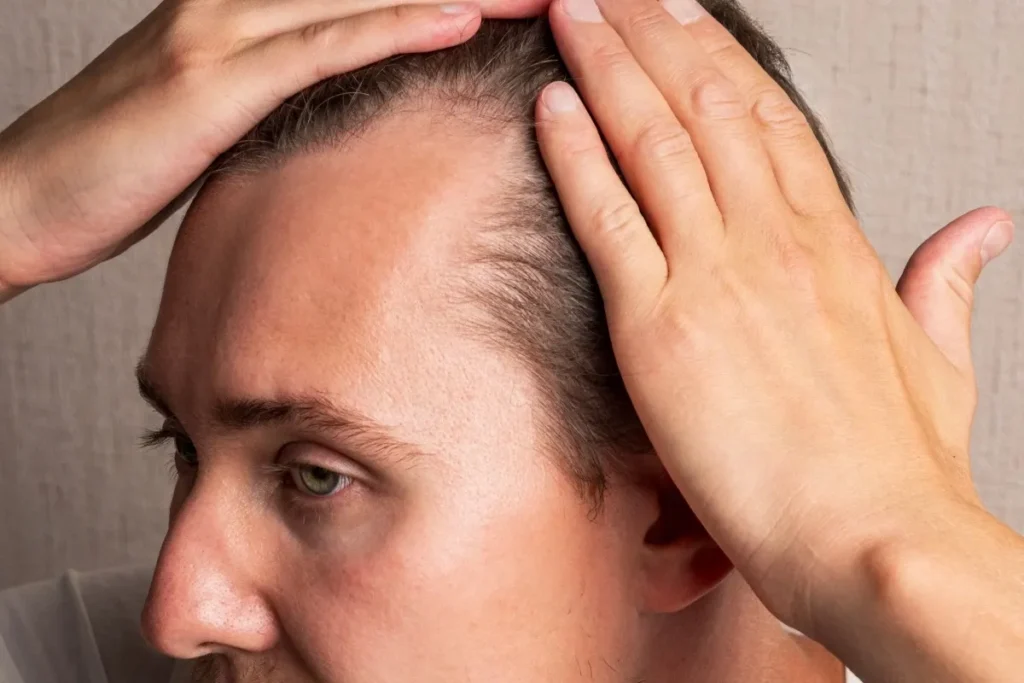
Diagnosing cicatricial alopecia is key to treating it. This condition can cause permanent hair loss if not treated right. It includes several types of scarring hair loss, each with its own treatment needs.
The Diagnostic Process for Scarring Alopecia
To diagnose cicatricial alopecia, a dermatologist will do a detailed scalp check. They might also take a scalp biopsy and do blood tests. A dermatologist will look for signs of scarring, inflammation, and hair loss patterns. This helps find the right treatment.
A scalp biopsy is very important. It shows the scarring and inflammation. It helps tell apart different types, like lichen planopilaris and folliculitis decalvans.
Common Types of Cicatricial Alopecia
Cicatricial alopecia has several types, based on the inflammation. Lymphocytic forms include CCCA, lichen planopilaris, and frontal fibrosing alopecia. Neutrophilic forms include folliculitis decalvans and dissecting cellulitis of the scalp. Each type needs a specific treatment plan.
Lichen planopilaris causes inflammation around hair follicles, leading to scarring hair loss.
Folliculitis decalvans has pustular inflammation and destroys hair follicles.
Dissecting cellulitis has painful, fluctuant nodules and abscesses on the scalp.
Recognizing Symptoms and Disease Progression
It’s important to spot cicatricial alopecia symptoms early. Symptoms include itching, burning, or pain on the scalp, along with hair loss and scarring. The disease can progress differently for everyone, with some losing hair quickly and others more slowly.
Watching how the disease progresses and adjusting treatment is key. Regular visits to a dermatologist help catch changes early and start the right treatment.
Treatment Approaches for Cicatricial Alopecia
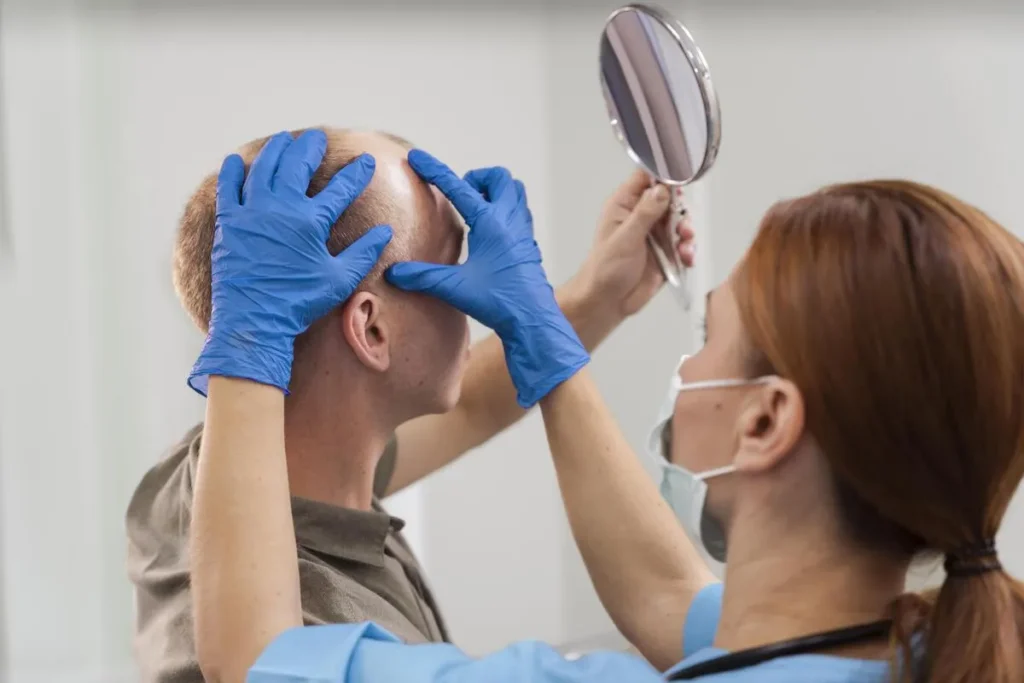
Managing cicatricial alopecia needs a mix of treatments. Each plan is based on the type of alopecia, scarring level, and health status.
Medical Treatments by Alopecia Type
Medical treatments aim to lessen inflammation and stop hair loss. The right treatment depends on the condition’s type and how severe it is.
Topical Treatments: Corticosteroids and immunosuppressive drugs help reduce inflammation.
Oral Medications: Anti-inflammatory drugs and antibiotics are used to manage inflammation and prevent infections.
Procedural and Surgical Interventions
Procedural and surgical options are also available for cicatricial alopecia.
Hair Restoration: Hair transplant surgery can help restore hair growth for some patients.
Wigs or Hairpieces: Wigs or hairpieces offer a cosmetic solution for those with significant hair loss.
Managing Symptoms and Scalp Discomfort
It’s important to manage symptoms and scalp discomfort for those with cicatricial alopecia.
Scalp Care: Gentle scalp care, like using mild shampoos and avoiding harsh chemicals, can reduce irritation.
Pain Management: Some patients may need pain management strategies to deal with scarring-related discomfort.
Conclusion: Living with and Preventing Progression of Cicatricial Alopecia
Scarring hair loss, or cicatricial alopecia, causes permanent damage to hair follicles. This leads to permanent hair loss. It’s important to know what scarring hair loss is and spot symptoms early.
Scalp scarring can happen for many reasons, like inflammation or autoimmune diseases. Looking at cicatricial alopecia images can help spot the condition. But, a doctor’s check-up is needed for a proper diagnosis.
Managing cicatricial alopecia means having a detailed treatment plan. This helps control symptoms and stops more scarring. Getting a diagnosis and starting treatment early is key to stopping hair loss.
Knowing the causes and types of cicatricial alopecia helps people manage their condition better. This can greatly improve their life quality.
SSS
What is cicatricial scarring alopecia?
Cicatricial alopecia is a type of permanent hair loss where hair follicles are destroyed and replaced by scar tissue.
What are the common types of cicatricial alopecia?
Common types include lichen planopilaris, frontal fibrosing alopecia, discoid lupus erythematosus, folliculitis decalvans, and dissecting cellulitis.
How is cicatricial alopecia diagnosed?
Diagnosis involves a dermatologist exam, scalp biopsy, and sometimes blood tests to identify inflammation or underlying conditions.
What are the symptoms of cicatricial alopecia?
Belirtiler şunları içerir patchy hair loss, redness, scaling, itching, burning, tenderness, and sometimes pustules.
Can cicatricial alopecia be treated?
Treatment can slow or stop progression using anti-inflammatory or immunosuppressive medications, but lost hair usually cannot grow back.
What is the difference between folliculitis decalvans and dissecting cellulitis?
Folliculitis decalvans causes pustules and scarring on the scalp due to bacterial infection, while dissecting cellulitis leads to painful nodules, abscesses, and draining tracts.
How can symptoms of cicatricial alopecia be managed?
Use medicated shampoos, topical corticosteroids, antibiotics if infection is present, and gentle hair care to reduce irritation and discomfort.
Is it possible to prevent the progression of cicatricial alopecia?
Early diagnosis and treatment of inflammation can help prevent further hair loss, though existing scarring cannot be reversed.
What are the treatment options for cicatricial alopecia?
Options include topical or oral corticosteroids, immunosuppressants, antibiotics, retinoids, and sometimes laser or surgical interventions for severe cases.
Referanslar
https://www.google.com/url?sa=t&source=web&rct=j&opi=89978449&url=https://pubmed.ncbi.nlm.nih.gov/16616304/&ved=2ahUKEwiKtu2foZSTAxW_3QIHHbjgA-IQFnoECBgQAQ&usg=AOvVaw3iJ8SFVYFrtYmBF24R6BWy