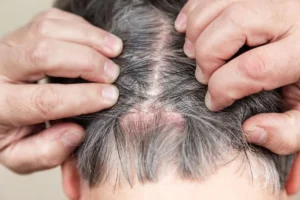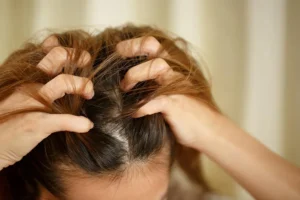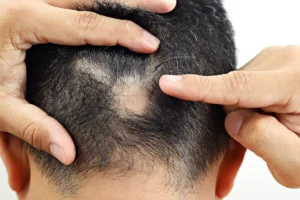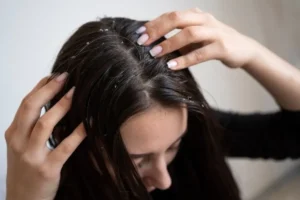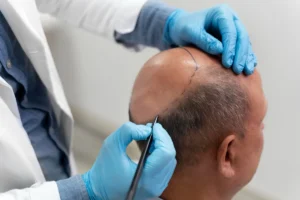
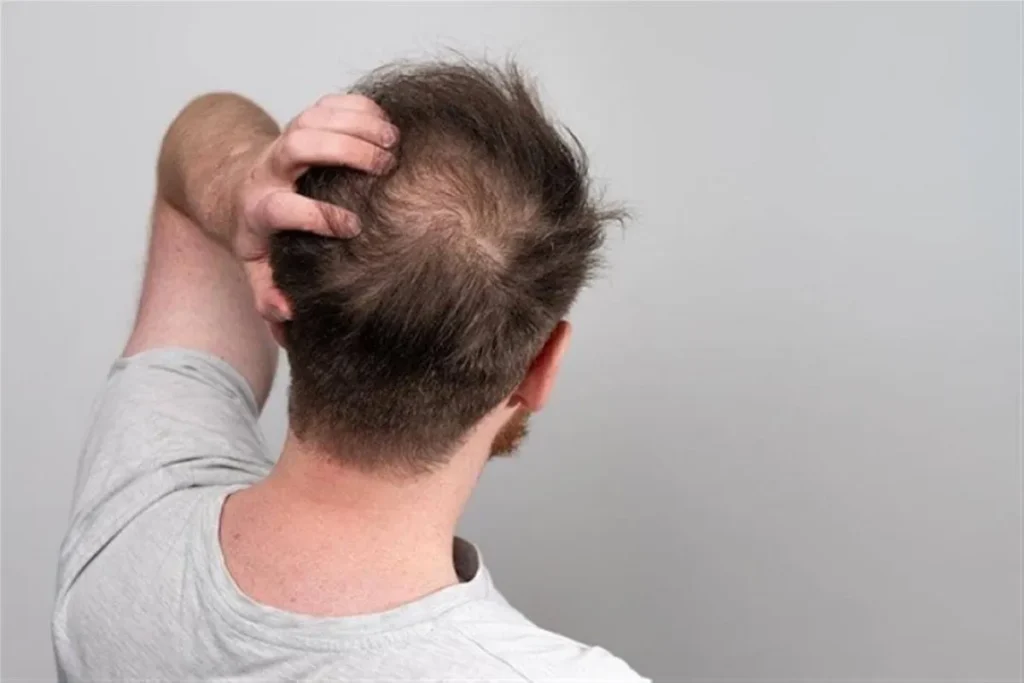
Diffuse hair thinning affects millions worldwide. It’s a gradual loss of hair all over the scalp. At Gold City Hair, we know how hard hair loss can be. We’re here to help you regain your confidence with our caring approach.
Our team uses medical know-how and new treatments to fight diffuse thinning hair loss. We focus on you, helping you find the cause of your hair loss. Then, we create a plan just for you to get your hair back.
Önemli Çıkarımlar
Understanding the causes of diffuse balding is key to treating it.
A personalized plan is essential for meeting your hair loss needs.
New treatments can boost hair volume and your confidence.
Our experts are here to guide you through your hair restoration journey.
Getting your confidence back through hair restoration is possible.
Understanding Diffuse Balding Patterns
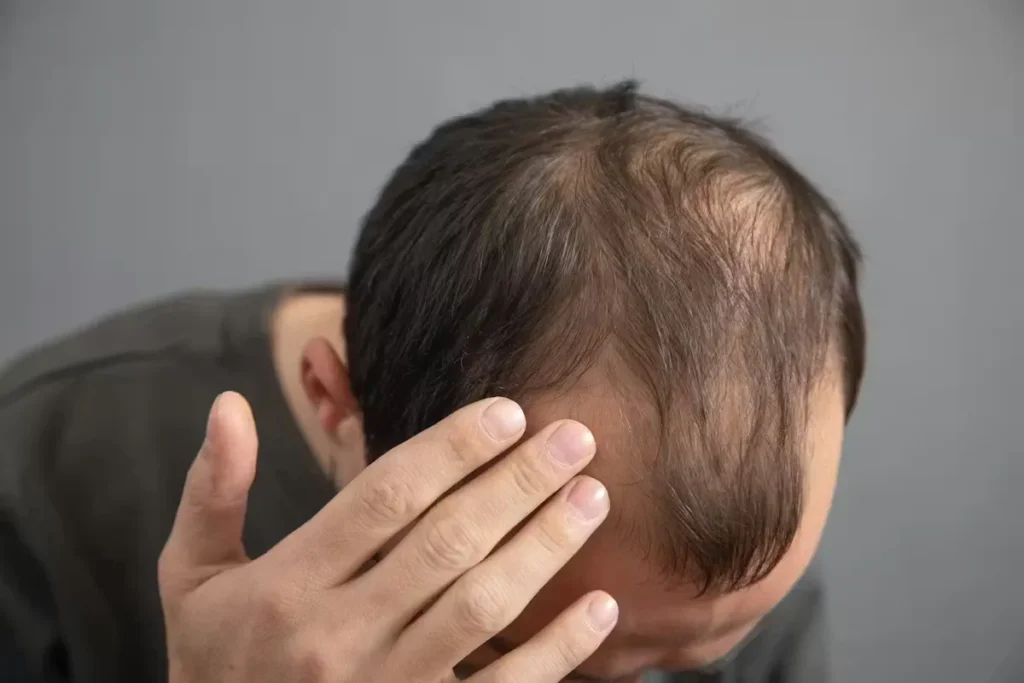
It’s important to know about diffuse balding to fight hair thinning well. Diffuse balding patterns are different from the usual pattern baldness. Knowing these differences helps find the best treatment.
Diffuse Thinning vs. Pattern Baldness
Diffuse thinning means hair gets thinner all over the scalp. It’s unlike pattern baldness, which starts with a receding hairline or thinning crown. Diffuse thinning hair loss makes hair look thinner and less dense overall.
The difference between diffuse thinning and pattern baldness matters a lot. Treatments for each are different. Diffuse thinning needs a more all-around approach.
Recognizing Early Signs of Diffuse Hair Loss
Spotting diffuse hair loss early is key to acting fast. Look for less hair volume, a shiny scalp, and more hair in places like pillows or drains.
Reduced hair volume
Visible scalp shine
Increased hair shedding
Gender Differences in Diffuse Thinning
Gender differences in diffuse thinning are clear. Men often get pattern baldness, while women get diffuse thinning. This can be tough for women because it affects their hair’s look.
Getting back confidence with diffuse thinning hair loss takes time and the right info. By spotting early signs and knowing the difference, you can start on the path to restoring your hair.
Root Causes of Diffuse Hair Loss
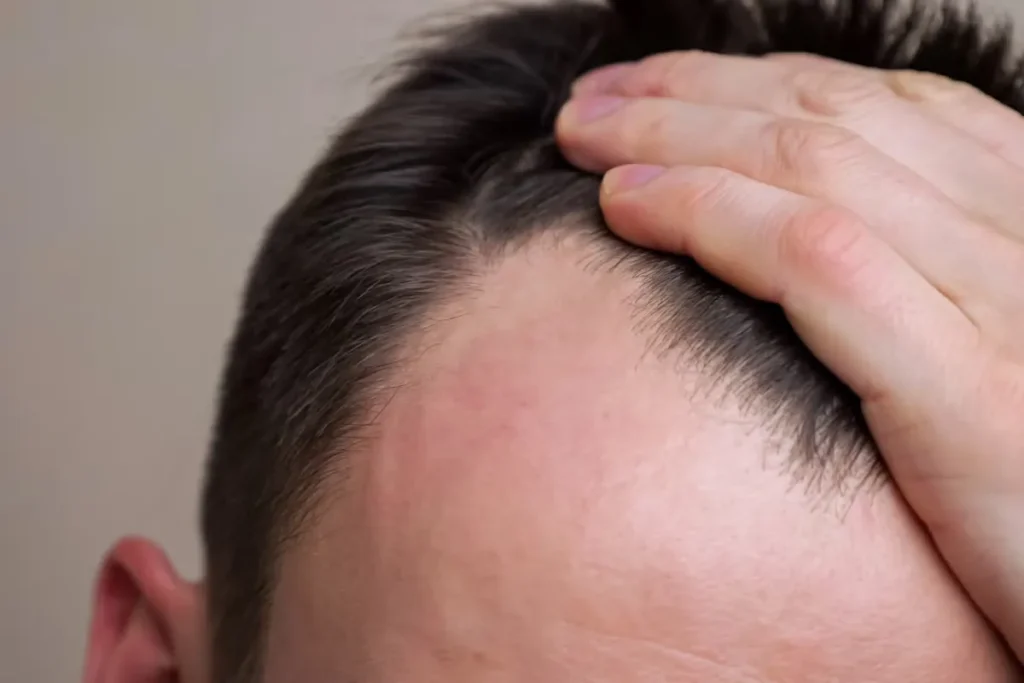
Knowing what causes diffuse hair loss is key to treating it. This type of hair loss spreads evenly over the scalp. It’s a complex issue with many possible reasons.
Hormonal Imbalances and Genetic Predisposition
Hormonal issues, like androgenic hormones, are big contributors to diffuse hair loss. Androgens can make hair follicles smaller, leading to thinner, shorter hair. If your family has a history of hair loss, you might be more likely to experience it too.
Telogen Effluvium and Stress-Related Thinning
Telogen effluvium makes many hair follicles stop growing and rest, causing a lot of hair to fall out. Stress, whether it’s physical or emotional, often triggers this. Stress can mess with the hair growth cycle, making hair thinner.
Nutritional Deficiencies and Medical Conditions
Lack of nutrients like iron, zinc, and biotin can lead to hair loss. Some medical issues, like thyroid problems or autoimmune diseases, can also harm hair growth. Eating right and managing health problems are important for keeping hair healthy.
Getting your confidence back starts with knowing why you’re losing hair. By finding the cause, you can start a treatment plan that’s just right for you.
Effective Treatments to Stop Diffuse Balding
Understanding the treatments available is the first step in stopping diffuse balding. There are many options on the market. People can find solutions that fit their needs.
FDA-Approved Medications and Therapies
The journey to stop diffuse balding often starts with FDA-approved medications. Minoxidil and Finasteride are two common treatments. Minoxidil is applied topically to stimulate hair growth and slow down hair loss. Finasteride is taken orally to block DHT, a hormone that causes hair loss.
A study in the Journal of Clinical and Aesthetic Dermatology found that Minoxidil 2% and 5% solutions work for both men and women. This shows that FDA-approved treatments can help with diffuse balding.
Non-Prescription Solutions and Topical Treatments
Non-prescription solutions offer more treatment options. Low-Level Laser Therapy (LLLT) devices, like laser caps, are popular for promoting hair growth. They emit low-level laser or light-emitting diodes to activate hair follicles.
A quote from the
This shows LLLT’s promise in treating diffuse balding.
Dietary Changes and Supplements for Hair Health
Diet plays a big role in hair health. Eating a balanced diet with vitamins and minerals, like biotin, vitamin D, and iron, helps hair growth.
Supplements can also help. For example, biotin supplements strengthen hair follicles and improve hair texture. But, always talk to a healthcare professional before starting supplements.
Now, regaining confidence through hair restoration is easier than ever. By exploring treatments and talking to a healthcare professional, individuals can create a plan to stop diffuse balding and reach their hair restoration goals.
Conclusion: Creating Your Long-Term Hair Restoration Plan
Getting your hair back starts with a detailed plan. For those with diffuse balding, this plan is key. It might include FDA-approved meds, lifestyle changes, and sometimes surgery like DHI or Sapphire FUE.
Your hair plan should fit your unique situation. It should tackle hormonal issues, diet problems, and more. This might mean medical treatments, diet changes, and supplements for better hair health.
First, talk to a trusted hair restoration expert. They’ll help you make a plan. You’ll get clear steps and guidance. This way, you can get thick, natural-looking hair and feel confident again.
SSS
What is diffuse balding, and how does it differ from pattern baldness?
Diffuse balding is a type of hair loss that occurs evenly across the entire scalp, making the hair look “see-through” rather than creating a distinct bald spot. Unlike pattern baldness, which typically follows the Norwood scale with a receding hairline or crown thinning, diffuse loss can happen suddenly and often leaves the actual hairline intact while reducing overall density.
What are the early signs of diffuse hair loss?
Early signs include noticing excessive shedding—more than 100 hairs a day—in your shower drain, on your pillow, or in your hairbrush. You may also observe a widening of your natural part line or feel that your ponytail has significantly less volume than it did a few months prior.
Can diffuse thinning be treated with medication?
Yes, medications like minoxidil and finasteride are effective for diffuse thinning, especially when the cause is genetic or age-related. For temporary shedding caused by stress or illness, treatments in 2026 often include Growth Factor Concentrate (GFC) or Platelet-Rich Plasma (PRP) to “re-start” follicles that have prematurely entered the resting phase.
How do hormonal imbalances contribute to diffuse hair loss?
Hormonal shifts, such as those related to thyroid disorders, pregnancy, or menopause, can shock the body and push a large percentage of hair follicles into the resting phase simultaneously. High levels of cortisol from chronic stress or an imbalance in androgens can also trigger widespread thinning by shortening the hair’s active growth cycle.
What lifestyle changes can help promote hair health and reduce diffuse balding?
Switching to sulfate-free cleansers and avoiding high-heat styling tools can prevent structural damage and scalp inflammation that exacerbates thinning. Additionally, clinical guides in 2026 emphasize daily 4-minute scalp massages to increase blood flow and adopting a low-inflammatory diet to support the “scalp-gut axis.”
Is diffuse balding reversible?
In many cases, diffuse balding is completely reversible, particularly when it is caused by a temporary trigger like nutritional deficiencies, stress, or a recent illness. If the thinning is caught early and the underlying cause—such as low ferritin or Vitamin D levels—is corrected, hair often resumes its natural growth within 6 to 12 months.
Can men and women experience diffuse thinning differently?
Women are more likely to experience diffuse thinning as the primary manifestation of female pattern hair loss, which usually shows up as a widening part. In men, diffuse thinning often occurs alongside traditional receding hairlines, making the remaining hair appear sparse and transparent under bright light.
What is the role of genetics in diffuse hair loss?
Genetics determine how sensitive your hair follicles are to hormones like DHT, which can cause follicles to miniaturize and produce finer hair over time. Recent studies suggest that over 80% of pattern hair loss cases are hereditary, meaning your family history on both sides significantly influences your risk for chronic diffuse thinning.
How can I create a personalized hair restoration plan?
A personalized plan in 2026 begins with a comprehensive blood panel to check for Iron (Ferritin), Vitamin D3, B12, and Thyroid levels to rule out internal triggers. Once biological corrections are made, a dermatologist can use trichoscopy to identify your specific “hair loss grade” and recommend a combination of medical topicals and regenerative therapies.
Referanslar
Ulusal Biyoteknoloji Bilgi Merkezi. Kanıta Dayalı Tıbbi Öngörü. Erişim adresi https://pmc.ncbi.nlm.nih.gov/articles/PMC3509882/