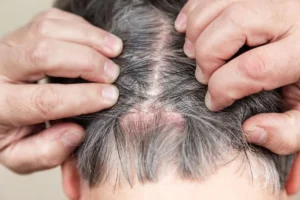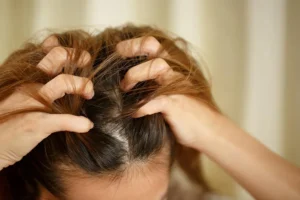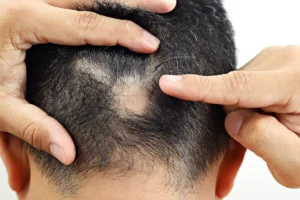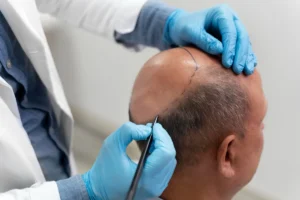

Millions of people take amlodipine for high blood pressure. They worry if it might cause hair loss. But, studies show that hair loss from amlodipine is very rare.
Learn the truth to feel better. Research says only a tiny fraction of amlodipine users face hair loss. The FDA reports it affects less than 0.1%. The MHRA says it might affect up to 1%. So, most people on amlodipine don’t lose their hair.
Önemli Çıkarımlar
Amlodipine-related hair loss is exceptionally rare, affecting less than 1% of users.
The exact mechanism of hair loss is not fully understood but may involve stress responses or alterations in blood flow.
The FDA and MHRA report incidence rates of hair loss associated with amlodipine as less than 0.1% and up to 1%, respectively.
Most people taking amlodipine do not experience hair loss.
Understanding the facts can help regain confidence in managing your medication.
Understanding Amlodipine and Its Side Effects
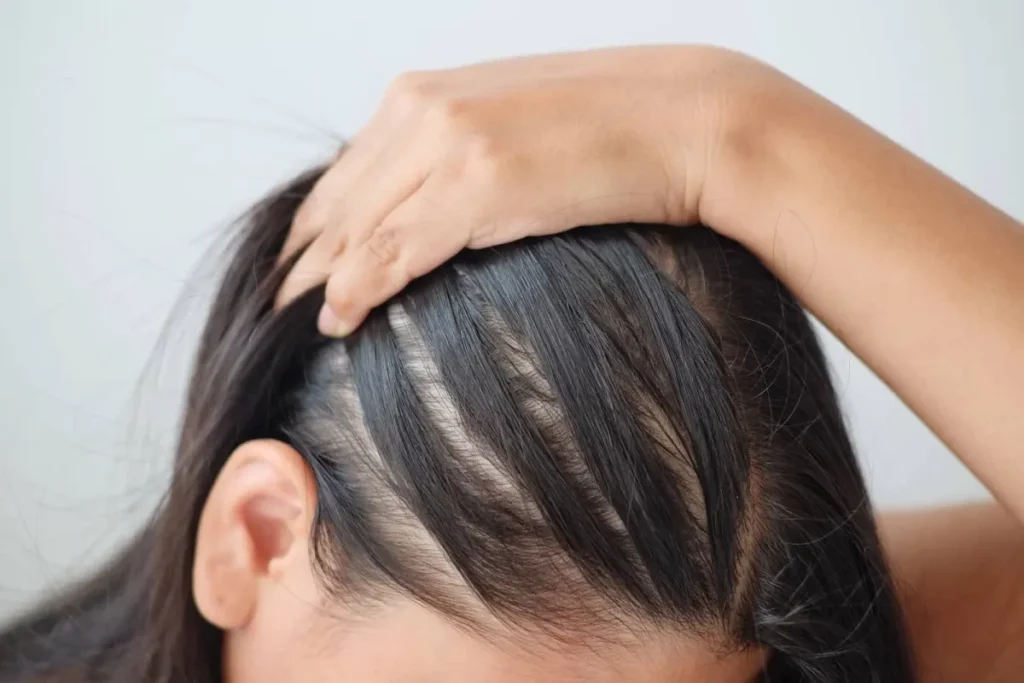
Managing high blood pressure often involves medication, and amlodipine is one of the most commonly prescribed drugs for this condition. Amlodipine, known by its brand name Norvasc, belongs to a class of medications called calcium channel blockers.
What Is Amlodipine and How Does It Work?
Amlodipine relaxes the blood vessels. This allows blood to flow more smoothly and the heart to pump more efficiently. It reduces blood pressure and increases oxygen supply to the heart. This makes it an effective treatment for hypertension and angina.
Common Side Effects of Amlodipine
While generally well-tolerated, amlodipine can cause side effects in some individuals. Common side effects include:
Swelling in the ankles and feet
Feeling tired or fatigued
Nausea
Dizziness
Understanding these side effects is key for patients. It helps them manage their expectations and discuss any concerns with their healthcare provider. By being informed, patients can achieve maximum results in managing their blood pressure and overall health.
Does Amlodipine Cause Hair Loss? Research and Statistics

Research has shown that amlodipine can cause hair loss in some people. It’s important for patients and doctors to know about this side effect. This knowledge helps in managing hair health while taking the medication.
Incidence Rates of Hair Loss in Amlodipine Users
About 1.38% of amlodipine users experience hair loss. This shows that hair loss is not common but can happen. People who are older or on the medication for a long time might face a higher risk.
Potential Mechanisms Behind Amlodipine-Related Hair Loss
The ways amlodipine might lead to hair loss are not fully understood. Some theories include stress-induced telogen effluvium and changes in blood flow. These could harm hair follicles. More research is needed to grasp these mechanisms.
Risk Factors: Who Is More Likely to Experience Hair Loss?
Some factors can make hair loss more likely when taking amlodipine. These include age and duration of treatment. Knowing these can help both patients and doctors make better choices.
Comparing Amlodipine to Other Blood Pressure Medications
Managing blood pressure is key, and the right medication matters. Amlodipine, a calcium channel blocker, is often used. But, it’s good to know how it compares to other meds for hair loss concerns.
Blood Pressure Medications with Stronger Links to Hair Loss
Some blood pressure meds might cause hair loss more often. For example, propranolol and metoprolol, beta blockers, have been linked to hair loss. The exact reason isn’t clear, but it might be due to how they affect blood flow or hormones.
On the other hand, amlodipine and nifedipine, calcium channel blockers, rarely cause hair loss. Yet, everyone reacts differently, and some might experience hair loss.
Alternative Options for Those Concerned About Hair Loss
If hair loss worries you, talk to your doctor about other options. ACE inhibitors and ARBs (Angiotensin II Receptor Blockers) might be good choices. For instance, benazepril (an ACE inhibitor) and valsartan (an ARB) have different side effects than some other meds.
Knowing the side effects of blood pressure meds is important. Amlodipine might not cause much hair loss, but looking at other options can ease worries.
Conclusion: Managing Blood Pressure Without Hair Loss Concerns
Keeping blood pressure in check is key to good health. With the right advice, people can lower the chance of hair loss from some meds. Knowing the side effects of blood pressure drugs like amlodipine, verapamil, losartan, and lisinopril is vital. Some, like losartan, might lead to hair loss, but others might not.
Patients can work with doctors to find better ways to control blood pressure. This might mean trying different meds or adding lifestyle changes. For those worried about hair loss, talking about losartan or lisinopril could be helpful. These meds might have fewer hair loss side effects than others.
Managing blood pressure for life needs a full plan. This includes the right meds, regular checks, and a focus on health. By making smart choices and staying informed, people can keep their confidence and health up.
SSS
Does amlodipine cause hair loss?
Amlodipine is a calcium channel blocker where hair loss is considered a very rare side effect, affecting fewer than 1% of users. Most patients do not experience thinning, but those who do typically see a temporary shedding known as Telogen Effluvium as the body adjusts to the medication.
How common is hair loss among amlodipine users?
Statistically, hair loss is infrequent and not a primary side effect of this drug class. While global reports exist due to the massive number of people taking the medication, it is not a typical reaction for the vast majority of patients.
What are the possible reasons for amlodipine-related hair loss?
The thinning is generally attributed to a temporary shift in the hair growth cycle, pushing follicles into a resting phase prematurely. This causes a noticeable shed several months after starting the treatment, though the hair usually regrows once the system stabilizes.
Are there other blood pressure medications more likely to cause hair loss?
Yes, beta-blockers like metoprolol or propranolol are more frequently associated with hair thinning than amlodipine. Calcium channel blockers are actually often used as an alternative for patients who struggled with hair loss on other blood pressure meds.
Does valsartan, lisinopril, or losartan cause hair loss?
ARBs like valsartan and losartan are considered “hair-safe” and are rarely linked to thinning, while ACE inhibitors like lisinopril have only rare reports of hair loss. These classes are often preferred by doctors for patients concerned about maintaining hair density.
Can high blood pressure medication cause hair loss?
Some medications can cause diffuse thinning across the entire scalp as a systemic side effect, though it is rarely permanent. It is usually a result of the body’s reaction to the drug rather than a direct attack on the hair follicles themselves.
Can I switch to a different medication if I’m concerned?
You can absolutely switch, provided you do so under a doctor’s supervision to ensure your blood pressure remains controlled. With numerous classes of medication available, a healthcare provider can almost always find an effective alternative with a lower risk of hair side effects.
How can I manage blood pressure without worrying about hair loss?
Focus on medications with low hair-loss profiles like ARBs and ensure your nutrition is optimized with adequate Iron and Vitamin D. Lifestyle changes like reducing sodium and increasing exercise can also help lower your blood pressure, potentially reducing your reliance on higher medication dosages.
Referanslar
Ulusal Biyoteknoloji Bilgi Merkezi. Kanıta Dayalı Tıbbi Öngörü. Erişim adresi https://pmc.ncbi.nlm.nih.gov/articles/PMC9413730/