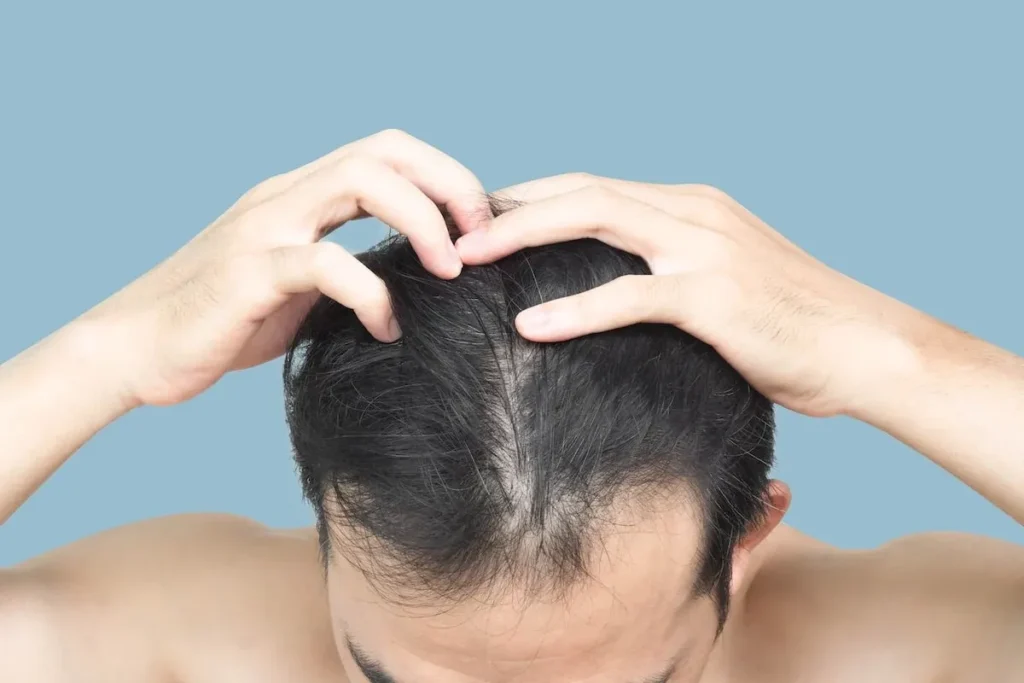
Have you noticed unusual hair loss while taking blood pressure medications or other prescriptions? Medication-induced alopecia affects millions worldwide. Yet, many patients don’t know their hair loss comes from treatable side effects of their medications.
Many types of medications can lead to alopecia. This includes blood thinners, cholesterol-lowering drugs, and some psychiatric medications. Knowing how these drugs can cause hair loss is key to managing it well.
Regaining confidence starts with understanding why you’re losing your hair. This guide will cover the medications that often cause hair loss. We’ll look at how they work and how to manage this issue.
Önemli Çıkarımlar
Medication-induced alopecia is a significant healthcare concern affecting patient quality of life.
Various medication categories can cause hair loss, including blood thinners and psychiatric medications.
Understanding the link between medications and hair loss is critical for effective management.
Evidence-based strategies can help manage medication-induced hair loss.
Regaining confidence starts with understanding the cause of your hair loss.
Understanding Medication-Induced Hair Loss

It’s important to know how some medicines can cause hair loss. This can be upsetting for people taking treatments for health issues.
Telogen Effluvium Nedir?
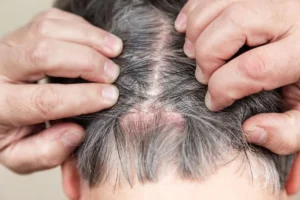
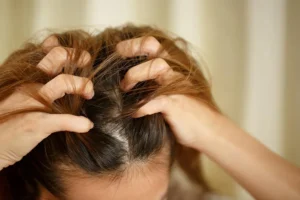
Telogen effluvium is when you lose a lot of hair, often because of medicines. It happens when too many hairs stop growing and fall out. Medicines like antidepressants, beta-blockers, and statins can cause this. The hair loss spreads over the scalp, not just in patches.
Studies show telogen effluvium is the top reason for hair loss from medicines. It can be scary, but hair usually grows back once the bad medicine stops or changes.
How Medications Affect Hair Follicles
Medicines can harm hair follicles, leading to hair loss. They can mess up the hair growth cycle, making more hairs fall out. The way they affect hair follicles varies by medicine. For example, some medicines change hormone levels, which can stop hair from growing.
Knowing how medicines harm hair follicles helps in managing hair loss. By identifying medicines that cause hair loss, people can talk to their doctors about other options.
Common Categories of Medications That Cause Hair Loss
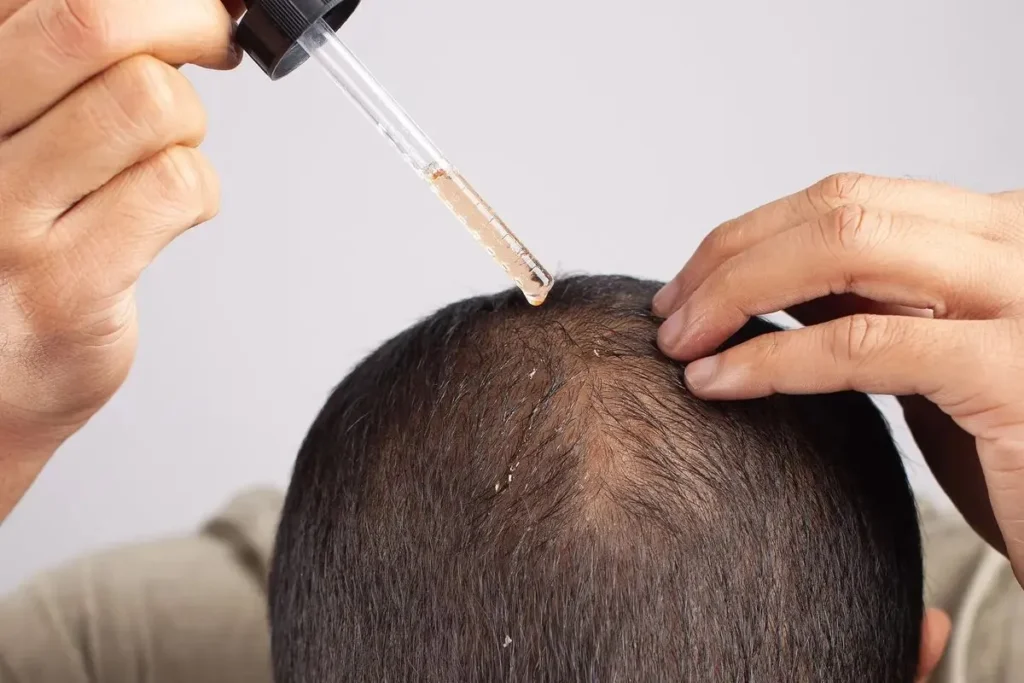
Many health conditions require medications that can lead to hair loss. This side effect can be upsetting for those affected. Knowing which medications might cause hair loss helps both patients and doctors make better choices.
Blood Pressure Medications and Hair Loss
Blood pressure medications are often prescribed and can cause hair loss. Beta-blockers, used to control high blood pressure, are a common culprit. Examples include propranolol and metoprolol. Some ACE inhibitors and diuretics also cause hair loss, but it’s less common.
For example, someone taking beta-blockers for high blood pressure might lose hair. This is because the medication affects the body’s processes. Doctors should talk about possible side effects and find other treatments if needed.
Psychiatric Medications
Medications for mental health issues, like depression and anxiety, can also lead to hair loss. Selective serotonin reuptake inhibitors (SSRIs), a type of antidepressant, are known to cause hair loss. Other medications, like mood stabilizers and antipsychotics, might also lead to hair loss.
The exact reason for hair loss from these medications isn’t fully understood. It’s thought to be related to how they affect hormones and neurotransmitters.
Other Medications That Cause Hair Loss
Other types of drugs can also cause hair loss. These include:
Chemotherapy agents: These cancer treatments can cause significant hair loss because they affect cells that grow quickly.
Anticoagulants: Medications that prevent blood clots, like heparin and warfarin, have been linked to hair loss.
Antithyroid medications: These drugs treat an overactive thyroid and can cause hair loss as a side effect.
Nonsteroidal anti-inflammatory drugs (NSAIDs): Some NSAIDs, like ibuprofen and naproxen, can cause hair loss, but it’s not very common.
If you’re losing hair while on medication, talk to your doctor. Understanding the causes and looking for other treatments can help reduce hair loss and keep you healthy.
Does Eliquis Cause Hair Loss? Anticoagulants and Alopecia
Hair loss, or alopecia, can happen with many medicines, including Eliquis. These drugs help prevent blood clots but might harm hair follicles. This has worried both patients and doctors.
Traditional Anticoagulants: Warfarin and Heparin
For years, warfarin and heparin have helped manage blood clots. But, they can also cause hair loss in some people. Warfarin might affect hair growth cycles, leading to hair loss.
A study in the Journal of Clinical and Aesthetic Dermatology found that some anticoagulants can cause hair shedding. This happens because these drugs disrupt normal hair growth. The exact reason is not fully known.
Direct Oral Anticoagulants (DOACs): Focus on Apixaban
Apixaban (Eliquis) is a popular DOAC because it’s effective and safe. Yet, there’s evidence that DOACs might also cause hair loss.
The World Health Organization’s database shows 405 reports of hair loss linked to DOACs. This shows we need more research on how these drugs affect hair.
Clinical Evidence and Patient Reports
Studies and patient stories show a link between anticoagulants and hair loss. Some people lose a lot of hair while on these drugs.
Here’s a table comparing different anticoagulants and their link to hair loss:
More research is needed to understand the link between anticoagulants and hair loss. But, it’s key for patients to talk to their doctors about any hair loss concerns. This way, patients can make informed choices about their treatment.
Conclusion: Managing and Preventing Medication-Induced Hair Loss
It’s possible to feel confident about your hair again, even with medication-induced hair loss. Knowing which medications can cause hair loss is the first step. This knowledge helps you manage and prevent more hair thinning.
There are many ways to reduce hair loss from needed medicines. Eating well, using topical treatments, and being gentle with your hair can help. A diet full of vitamins and minerals strengthens hair follicles. Gentle hair care reduces breakage.
Dealing with hair loss means looking at the big picture. Knowing which drugs can thin your hair is key. By taking steps to prevent it and looking for other treatments, you can lower your risk. With the right help, you can have healthy, full hair again and feel confident about how you look.
SSS
Does blood pressure medication cause hair loss?
Certain blood pressure medications can trigger hair shedding by causing a higher percentage of hair follicles to enter the resting phase at the same time. This condition, known as telogen effluvium, is usually a temporary reaction to the physiological changes caused by the drug.
Which blood pressure medications are most likely to cause hair loss?
Beta-blockers like propranolol and atenolol are the most common culprits, followed by ACE inhibitors such as lisinopril. Diuretics and certain water pills can also occasionally lead to thinning, though the risk varies significantly between different classes of heart medication.
Can psychiatric medications lead to hair loss?
Yes, hair thinning is a documented side effect of mood stabilizers like lithium and valproate, which can affect up to 10% or more of users. Some antidepressants, including certain SSRIs and SNRIs, have also been linked to infrequent cases of telogen effluvium.
Is hair loss a side effect of anticoagulant medications like Eliquis?
While older blood thinners like warfarin are notorious for causing hair loss, newer anticoagulants like Eliquis are much less likely to cause this side effect. If shedding occurs while taking Eliquis, it is often a result of the underlying medical stress or a different concurrent medication.
How do medications cause hair loss?
Most medications cause hair loss by prematurely pushing hair follicles from their active growth phase into a resting state, leading to diffuse shedding across the scalp. Chemotherapy is a notable exception, as it aggressively attacks the rapidly dividing cells in the hair bulb itself.
Can hair loss caused by medication be reversed?
In nearly all cases, hair loss caused by medication is reversible once the offending drug is stopped or the dosage is adjusted. Because the follicles are not permanently damaged, hair typically begins to regrow within three to six months after the trigger is removed.
Are there any medications that can help with hair loss caused by other medications?
Over-the-counter topical treatments like minoxidil can help stimulate the follicles and accelerate the regrowth process while the body recovers. Supplements like biotin, zinc, and iron may also be helpful if the medication has caused a nutritional deficiency that is hindering hair health.
What should I do if I’m experiencing hair loss while taking medication?
You should consult your prescribing doctor to determine if the medication is the cause and to discuss potentially switching to a hair-friendly alternative. Never stop taking essential medications, especially for blood pressure or mental health, without professional medical advice.
Referanslar
Ulusal Biyoteknoloji Bilgi Merkezi. Kanıta Dayalı Tıbbi Öngörü. Erişim adresi https://pmc.ncbi.nlm.nih.gov/articles/PMC4819463/