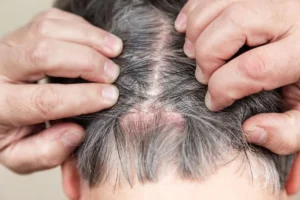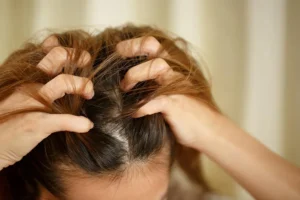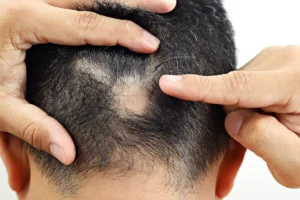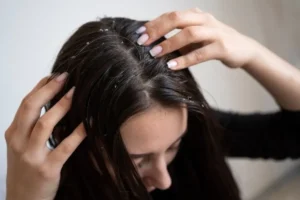
Regaining confidence through hair restoration is a life-changing experience for millions suffering from androgenetic alopecia. Dutasteride has emerged as a potent treatment. It targets multiple pathways of DHT production, a key contributor to hair loss.
Dream hair is now reality for those who have turned to dutasteride. This medication has shown significant promise in reducing DHT levels and promoting hair growth. It provides a valuable option for individuals seeking effective hair restoration.
Dutasteride is more effective than traditional treatments. It inhibits both type I and type II 5-alpha reductase enzymes. This makes it an attractive choice for those looking to regain their confidence and achieve a fuller head of hair.
Önemli Çıkarımlar
Dutasteride is a potent treatment for androgenetic alopecia, showing superior efficacy.
It targets multiple pathways of DHT production, reducing hair loss.
Dutasteride promotes hair growth by inhibiting 5-alpha reductase enzymes.
It’s a valuable option for individuals seeking effective hair restoration.
Regaining confidence through hair restoration improves quality of life.
Understanding Androgenetic Alopecia

It’s important to know why androgenetic alopecia happens. This condition, also known as pattern hair loss, affects both men and women. It causes hair to thin out gradually, which can really hurt your self-esteem.
What Causes Pattern Hair Loss
Pattern hair loss is mainly due to testosterone turning into dihydrotestosterone (DHT). DHT makes hair follicles smaller. This is because of genetics, so some people are more likely to get it.
DHT’s role in hair loss is key. It attaches to receptors in hair follicles. This makes the follicles smaller, leading to thinner, shorter hairs.
The Role of DHT in Hair Follicle Miniaturization
DHT causes hair follicles to shrink. It does this by making the growth phase shorter. This means hairs grow for less time and then fall out more easily.
To treat androgenetic alopecia, we need to stop DHT from forming. Dutasteride blocks the conversion of testosterone to DHT. This slows down or stops hair loss.
Knowing how DHT affects hair follicles helps us see why dutasteride works. It’s a key part of managing androgenetic alopecia.
How Dutasteride for Hair Loss Works
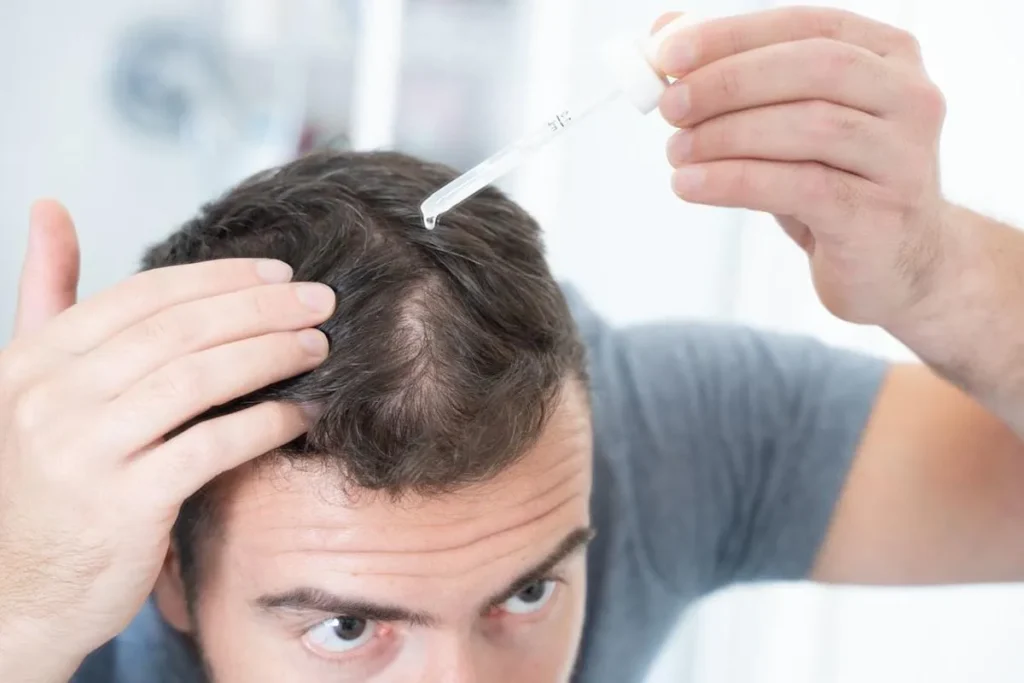
Dutasteride is a 5-alpha reductase inhibitor. It tackles the hormonal causes of hair loss. By stopping testosterone from turning into dihydrotestosterone (DHT), it helps reduce the main hormone causing hair follicle shrinkage.
Mechanism of Action as a 5-Alpha Reductase Inhibitor
Dutasteride blocks both type I and type II 5-alpha reductase enzymes. This is important because it lowers DHT levels more than inhibitors that only target one enzyme. This reduction in DHT slows down hair loss and encourages hair growth.
Regaining confidence through hair restoration is a big win for those with androgenetic alopecia. Dutasteride’s action helps create a better scalp environment for hair to grow.
Comparison to Finasteride Efficacy
Dutasteride and finasteride, another 5-alpha reductase inhibitor, have differences. Finasteride mainly blocks type II 5-alpha reductase. Dutasteride’s dual action might make it more effective at lowering DHT levels.
Studies show dutasteride can greatly improve hair count and thickness. Experts say,
The comparison between dutasteride and finasteride shows dutasteride’s unique benefits for hair loss treatment. Knowing how dutasteride works and its advantages helps people make better choices for their hair restoration journey.
Dutasteride Dosage Guidelines
When thinking about using dutasteride for hair loss, knowing the right dosage is key. Dutasteride is a 5-alpha-reductase inhibitor. It’s used to treat male pattern baldness and helps grow hair.
Standard Dosage for Men
The usual dose for men is 0.5mg taken once a day. Studies show this dose can boost hair count and thickness.
Low-Dose Options
Research also points to 0.2mg as a lower dose option. It might have fewer side effects.
Dosage for Women
Women should take 0.15mg daily. The exact dose may depend on health and hair loss severity.
Expected Results from Clinical Studies
Studies on dutasteride for hair loss are encouraging. A key study found that 0.5mg daily increased hair count by 12.2 hairs per square centimeter in 6 months.
Being consistent with dutasteride is important. Stick to your dosage to see the best results.
Side Effects and Considerations
It’s important to know about dutasteride’s side effects before using it for hair loss. This treatment can be effective but comes with risks. Knowing these can help you decide if it’s right for you.
Common Side Effects
Dutasteride is usually safe but can cause side effects in some people. Common issues include:
Decreased libido
Erectile dysfunction
Ejaculatory problems
These side effects are usually mild and may go away on their own. But if they don’t or bother you, talk to a doctor.
Sexual Side Effects
Sexual side effects are common with dutasteride. These can be decreased libido, erectile dysfunction, and ejaculatory problems. It’s key to talk to a doctor about these risks and benefits.
Long-Term Safety Profile
Studies have looked into dutasteride’s long-term safety. It’s generally safe but long-term use might have risks. Regular check-ups with a doctor can help manage these risks.
Who Should Avoid Dutasteride
Dutasteride isn’t for everyone, like pregnant women. It can harm a developing fetus. Women who might get pregnant should use birth control while taking dutasteride.
Knowing about dutasteride’s side effects and considerations helps you decide if it’s right for you. Always talk to a doctor to weigh the benefits and risks and find the best treatment.
Sonuç
Dutasteride is a strong treatment for hair loss, helping both men and women with androgenetic alopecia. It stops testosterone from turning into dihydrotestosterone (DHT). This makes the scalp healthier, leading to thicker, fuller hair.
Studies show dutasteride works well for hair loss, improving hair density and growth. People can feel more confident and reach their hair goals. With a doctor’s help, those with hair loss can try dutasteride as a reliable option.
Knowing why hair falls out and how dutasteride works helps people choose the right treatment. Dutasteride is a trusted choice for those looking to restore their hair. It has a proven track record and is recommended by experts.
SSS
What is dutasteride and how does it work for hair loss?
Dutasteride is a potent 5-alpha-reductase inhibitor that works by blocking the enzymes responsible for converting testosterone into dihydrotestosterone (DHT). While finasteride only blocks the Type II enzyme, dutasteride inhibits both Type I and Type II, resulting in a systemic DHT reduction of over 90% and effectively stopping the hormonal attack on hair follicles.
How does dutasteride compare to finasteride for hair loss treatment?
Clinical trials in 2026 consistently show that dutasteride is significantly more effective than finasteride at increasing hair count, width, and overall scalp coverage. Because it suppresses more DHT and has a much longer half-life of about five weeks, it is often viewed as a more powerful alternative for men who do not see adequate results with standard treatments.
What is the recommended dosage of dutasteride for men with hair loss?
The most common off-label dosage for treating male pattern baldness is 0.5 mg taken as a single capsule once daily. Although it is officially FDA-approved only for treating an enlarged prostate at this dose, many hair restoration specialists prescribe it daily or a few times a week for patients with progressive androgenetic alopecia.
Can women use dutasteride for hair loss, and if so, what is the recommended dosage?
Dutasteride is sometimes used off-label for post-menopausal women with female pattern hair loss, typically at dosages ranging from 0.1 mg to 0.5 mg daily. It is strictly prohibited for women of childbearing age because it can cause severe birth defects in a developing male fetus and remains in the body for several months after the final dose.
What are the common side effects of dutasteride for hair loss?
Side effects are similar to those of finasteride and may include a decrease in libido, erectile dysfunction, or a reduction in semen volume in a small minority of users. Because of its potency and long half-life, any side effects like breast tenderness or mood changes may take longer to subside after stopping the drug compared to medications that clear the system faster.
Are there any long-term safety concerns with dutasteride use?
Long-term data suggests that dutasteride is generally safe for multi-year use, but it can mask the results of PSA tests used to screen for prostate cancer, requiring patients to inform their doctors of its use. There is ongoing research into its effects on liver enzymes and metabolic health, though it remains a well-tolerated option for long-term hair maintenance in 2026.
Who should avoid using dutasteride for hair loss?
Dutasteride should be avoided by women who are pregnant or planning to become pregnant, children, and individuals with a history of liver disease or hypersensitivity to 5-alpha-reductase inhibitors. Men planning to father a child should also discuss the medication with their doctor, as it can occasionally impact sperm count and quality.
How long does it take to see results from dutasteride treatment for hair loss?
While DHT levels drop immediately, it typically takes three to six months of consistent use to notice a decrease in shedding or an improvement in hair thickness. Peak results are generally achieved after 12 to 18 months of treatment, as the hair follicles require multiple growth cycles to recover from the miniaturization process.
Is dutasteride available in topical form for hair loss treatment?
In 2026, topical dutasteride has become a popular alternative and is often compounded by specialized pharmacies as a lotion or spray to reduce systemic absorption. Many patients prefer this method because it delivers the medication directly to the scalp follicles, potentially offering localized benefits while lowering the risk of systemic sexual side effects.
Can dutasteride be used in combination with other hair loss treatments?
Dutasteride is frequently used alongside topical or oral minoxidil to provide a dual-action approach that both blocks DHT and stimulates blood flow to the follicles. Some patients also combine it with low-level laser therapy or PRP (platelet-rich plasma) injections to maximize the chances of significant hair regrowth.
What is the role of DHT in hair follicle miniaturization?
DHT is a powerful androgen that binds to receptors in genetically susceptible hair follicles, causing them to shrink and produce thinner, shorter hair strands over time. This process eventually leads to the follicle becoming so small that it can no longer produce a visible hair, which is the defining characteristic of pattern baldness.
How does dutasteride promote hair growth?
By virtually eliminating the presence of DHT in the scalp, dutasteride allows miniaturized follicles to enlarge and return to a healthy growth phase. This results in the production of thicker terminal hairs rather than fine vellus hairs, significantly increasing the visual density and coverage of the hair on the scalp
Referanslar
Ulusal Biyoteknoloji Bilgi Merkezi. Kanıta Dayalı Tıbbi Öngörü. Erişim adresi https://pubmed.ncbi.nlm.nih.gov/24767433/