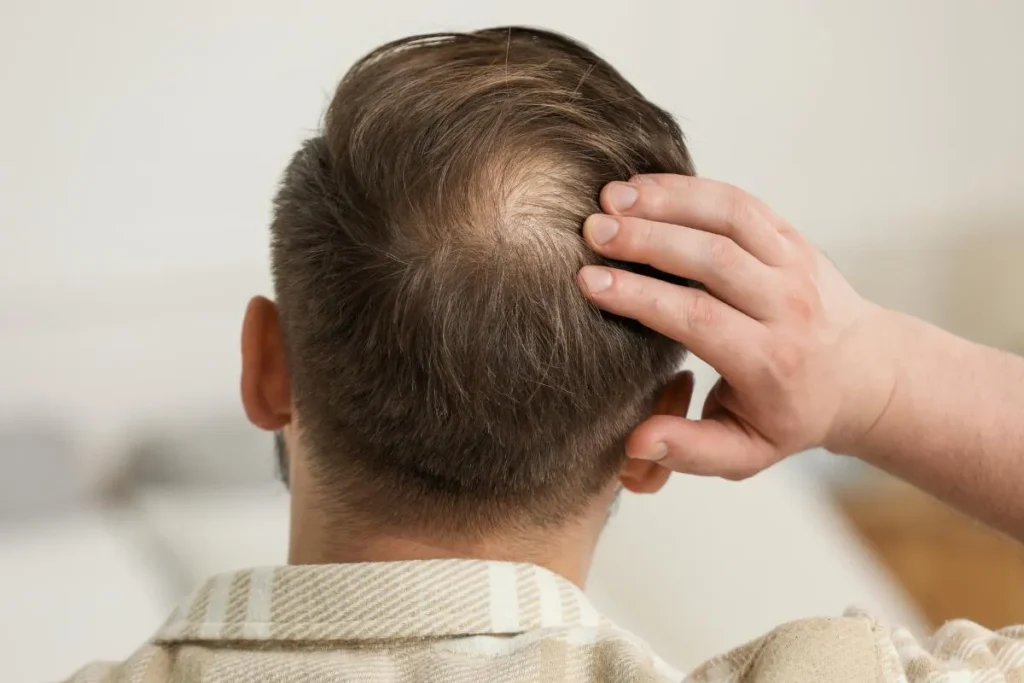
Do you find more hair loss in your shower drain or notice your part is getting wider? These could be early signs of male pattern baldness. This condition affects millions of men globally. It’s important to know how to spot these changes early because acting fast can make a big difference.
Spot the early stages of thinning hair before it is too late. Use these 5 easy fixes to strengthen your hair and prevent future balding.
Balding doesn’t give you a heads-up or follow a schedule. For some, it’s a slow process that creeps up over years. For others, the first signs of baldness show up unexpectedly in their 20s or even late teens. Finding ways to regain confidence through hair restoration is key for those dealing with it.
Önemli Çıkarımlar
Recognizing the early signs of balding is key for effective action.
Male pattern baldness impacts millions of men worldwide.
Hair loss can start as early as the late teens or 20s.
Knowing the signs can help regain confidence.
Hair restoration offers a solution for those experiencing balding.
Erkek Tipi Kelliği Anlamak
Men experiencing hair loss need to know the causes and how common it is. Male pattern baldness, or androgenetic alopecia, affects many men worldwide.
Causes of Hair Loss in Men
Hair loss in men comes from genetics and hormones. The hormone dihydrotestosterone (DHT) is key. It makes hair follicles shrink, leading to thinner, shorter hair.
Key Factors Contributing to Male Pattern Baldness:
Genetic predisposition
Hormonal imbalance, mainly DHT
Age
The Prevalence of Male Pattern Baldness by Age
Male pattern baldness can start in puberty. But, it gets more common with age. About 25% of men see hair loss signs before 21.
As men get older, the chance of balding grows. Knowing this can help men spot early signs and get help.
Understanding hair loss can boost a man’s confidence. With the right info and advice, men can find ways to regain their hair and self-assurance.
The Early Stages of Thinning Hair: Visual Indicators
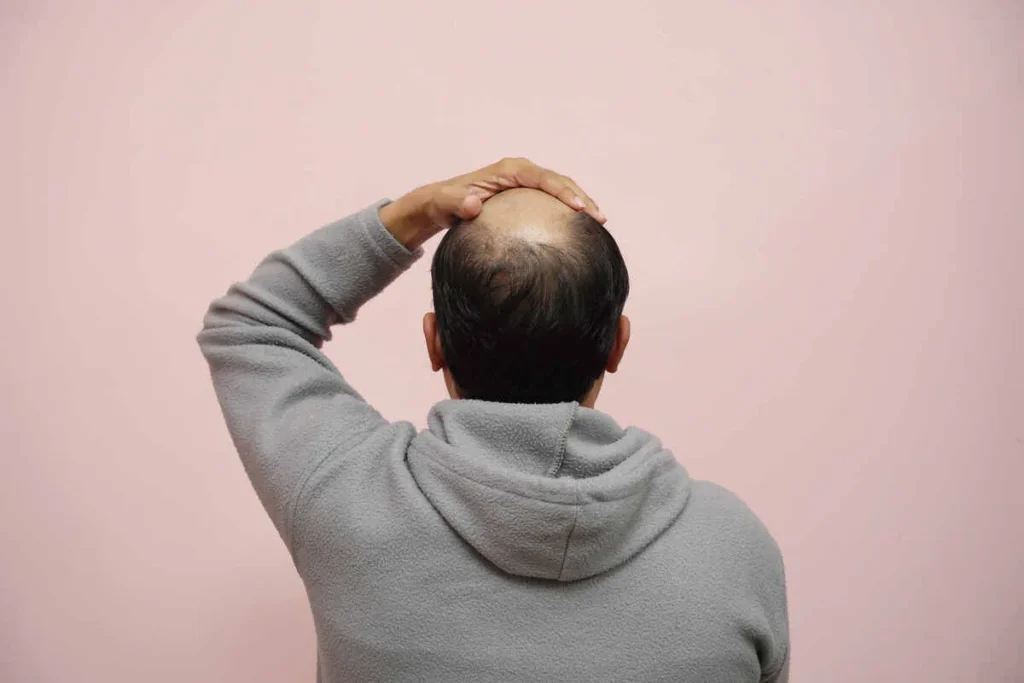
Thinning hair shows itself in clear signs that you can spot. Catching these signs early is key to fighting hair loss.
Receding Hairline and M-Shaped Pattern
A receding hairline is a common sign of balding. It looks like an M when viewed from above. This is a clear sign that hair loss is happening, and you should watch it closely.
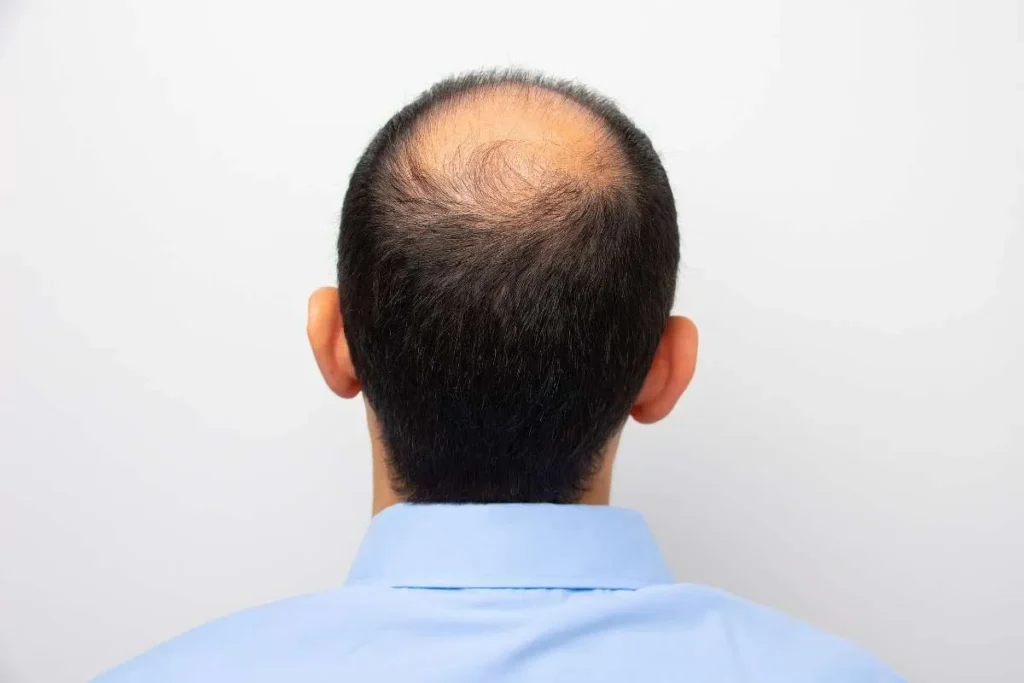
Thinning at the Crown
Thinning at the crown is another big indicator. This area is more likely to lose hair because of sensitive follicles. When hair thins, you can see more of your scalp, showing balding is starting. Checking the crown regularly can help spot hair thinning early.
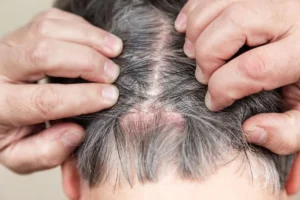
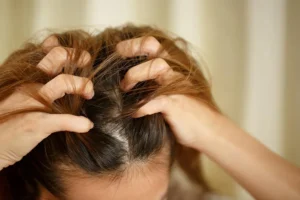
Widening Hair Part
A widening hair part is also a sign of hair loss. As hair thins, the parting line gets wider. Watching how wide your hair part gets can show how hair loss is progressing.
Knowing these signs is the first step to feeling good about your hair again. By spotting signs of balding, you can look into hair restoration options. This way, you can find a solution that fits your needs.
Physical Signs You Might Be Balding
The early signs of balding can be subtle. Yet, there are key physical indicators to watch out for. Recognizing these signs early can make a big difference in addressing hair loss effectively.
Normal vs. Excessive Hair Shedding
It’s normal to shed some hair daily. But, excessive hair shedding can be a sign of balding. On average, a person loses about 50-100 hairs per day. If you notice a big increase in hair loss, it could be an early sign of male pattern baldness.
To determine if your hair shedding is normal or excessive, consider the following:
Check your shower drain and comb for excessive hair.
Notice if your hair is falling out in clumps.
Observe if your hairline is receding or if there’s noticeable thinning.
Changes in Hair Texture and Volume
Another sign of balding is a change in hair texture and volume. If your hair becomes finer, softer, or more brittle, it could be an indication of balding. Also, a reduction in hair volume, specially at the crown or temples, can be a sign of hair loss.
Regaining your confidence starts with understanding your hair loss. By recognizing these physical signs, you can take the first step towards addressing balding. You can explore solutions like hair restoration.
Conclusion: When to Seek Professional Advice
Wondering if you’re going bald? It’s important to know the early signs of hair thinning. Spotting visual and physical signs can tell you if it’s just hair changes or actual balding.
Need help with hair loss or thinning? Experts offer personalized advice and treatments. They use the latest tech and clear processes to help you feel confident again.
Want to know if you’re balding? Get a free analysis from a pro. They’ll find out why you’re losing hair and suggest the best treatment. This way, you get great results without any pain.
SSS
How do I know if I’m balding?
You may notice gradual hair thinning, receding hairline, or more hair shedding than usual.
What are the early signs of male balding?
Early signs include receding temples, thinning at the crown, and wider parting.
What does balding look like?
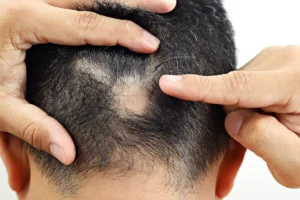
Balding often appears as thinning hair on the top of the head, a receding hairline, or visible scalp in certain areas.
How can I tell if I’m going bald?
Monitor for consistent hair shedding, thinning areas, and changes in hair density, especially on the crown and hairline.
What causes male pattern baldness?
It is mainly caused by genetics and sensitivity to the hormone DHT (dihydrotestosterone).
At what age does male pattern baldness typically start?
It can begin as early as the late teens or early twenties, but often becomes noticeable in the 30s.
Are there any treatments available for balding?
Yes, options include topical minoxidil, oral finasteride, low-level laser therapy, PRP, and hair transplant surgery.
Can balding be prevented?
While you cannot fully prevent genetic balding, early treatment and healthy hair care can slow progression.
How effective is hair transplantation?
Hair transplantation can be highly effective for restoring density, but results depend on donor hair quality and surgical skill.
What are the benefits of seeking professional help for balding?
A specialist can diagnose the cause, recommend effective treatments, and create a personalized plan to slow hair loss or restore hair.
Referanslar
Ulusal Biyoteknoloji Bilgi Merkezi. Kanıta Dayalı Tıbbi Öngörü. Erişim adresi https://www.ncbi.nlm.nih.gov/books/NBK278957/[2