Losing hair during chemotherapy is very tough emotionally. But, the good news is that hair regrowth is almost always temporary. It starts within weeks to months after treatment ends.
Many cancer patients wonder if their hair will return to normal. The journey to regrowth needs patience and gentle care. Most people see fuller hair in three to six months. Understanding the process and being patient are key to supporting healthy regrowth.
Önemli Çıkarımlar
Hair regrowth after chemotherapy typically begins within three to six months.
Most people regain full hair within six months after treatment.
Patience and gentle care are important for healthy regrowth.
Managing changes in hair texture and appearance is important.
A complete guide can help navigate the regrowth process.
Understanding Hair Loss During Chemotherapy
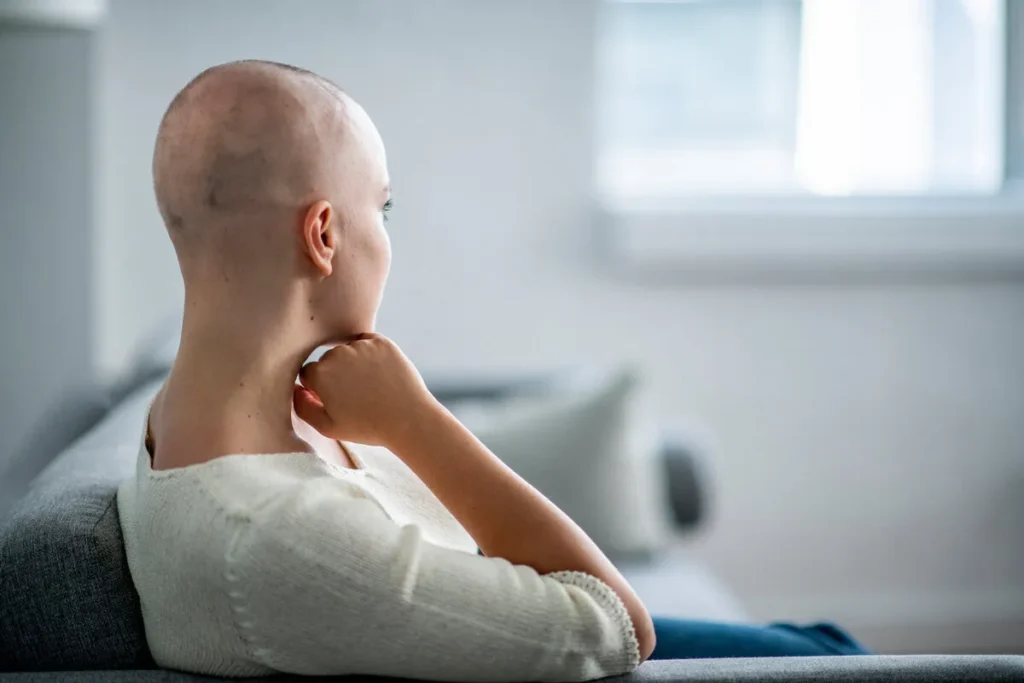
Chemotherapy affects cells that grow fast, like hair follicles. This leads to hair loss in many patients. It happens because the treatment targets cells that divide quickly, including cancer cells and hair follicle cells.
Hair loss during chemotherapy can be upsetting. But knowing why it happens can help. Chemotherapy drugs kill fast-growing cancer cells. They also harm hair follicle cells, causing hair loss.
Why Chemotherapy Affects Hair Follicles
Chemotherapy drugs go all over the body, hitting fast-growing cells. Hair follicles grow fast, so they get hit hard. This leads to hair loss, not just on the scalp but anywhere hair grows.
The extent of hair loss depends on the chemotherapy drugs, how much is used, and the person’s health. Some people lose all their hair, while others lose some.
Expected Timeline for Hair Regrowth
Hair usually starts growing back three to six months after treatment ends. Studies show hair grows back about 3.3 months after stopping chemotherapy. But how fast and how well it grows back varies from person to person.
At first, the new hair might be finer or feel different. But over time, it usually gets back to normal. This can take months to a few years. The type of chemotherapy, health, and hair care after treatment affect how fast hair grows back.
Supporting hair regrowth means gentle hair care and eating well. Foods rich in vitamins and minerals help. Talking to healthcare providers can also give advice on growing hair back after chemotherapy.
Stages of Hair Growing Back After Chemo
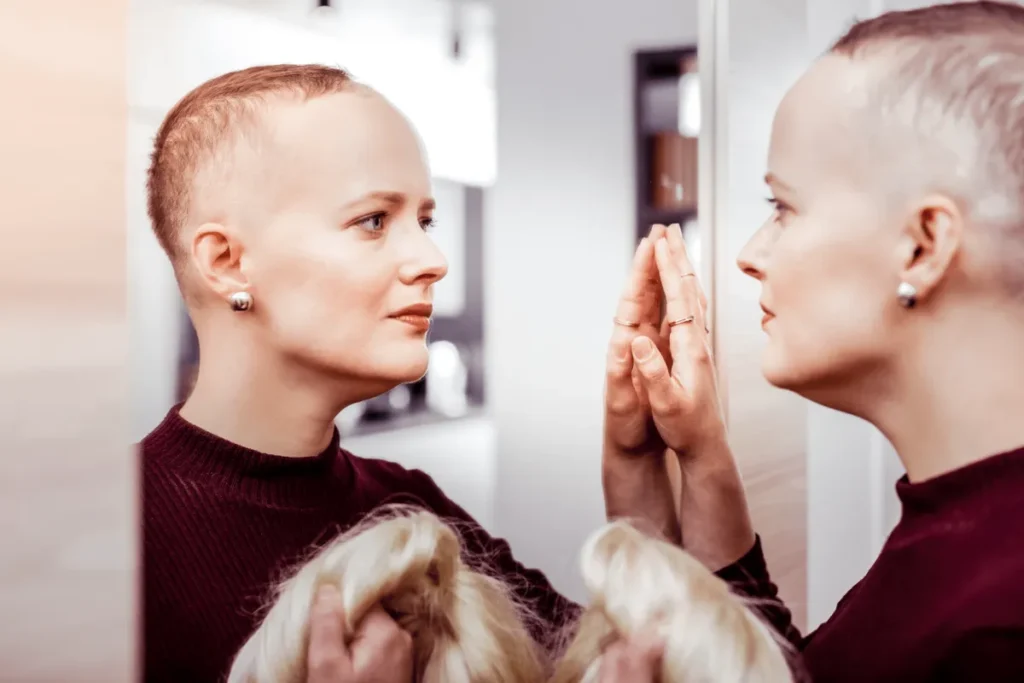
The journey of hair regrowth after chemotherapy is a gradual process. It involves several distinct stages. Knowing these stages can help manage expectations and support the recovery process.
Hair regrowth starts with soft, fine fuzz appearing on the scalp. This happens around weeks 2-3 after chemotherapy. Then, thicker strands develop, and eventually, noticeable growth occurs.
Initial Fuzzy Growth (Weeks 2-3)
The first sign of hair regrowth is soft, fine fuzz on the scalp. This usually happens around weeks 2-3 after chemotherapy. This initial growth may be soft and not immediately noticeable. But it’s a good sign that the hair follicles are recovering.
Early Development Phase (Months 1-2)
As weeks turn into months 1-2, the initial fuzz develops into thicker strands. This early development phase is key. It sets the stage for further growth. The hair may be soft and fine but becomes more noticeable.
Noticeable Growth Period (Months 3-6)
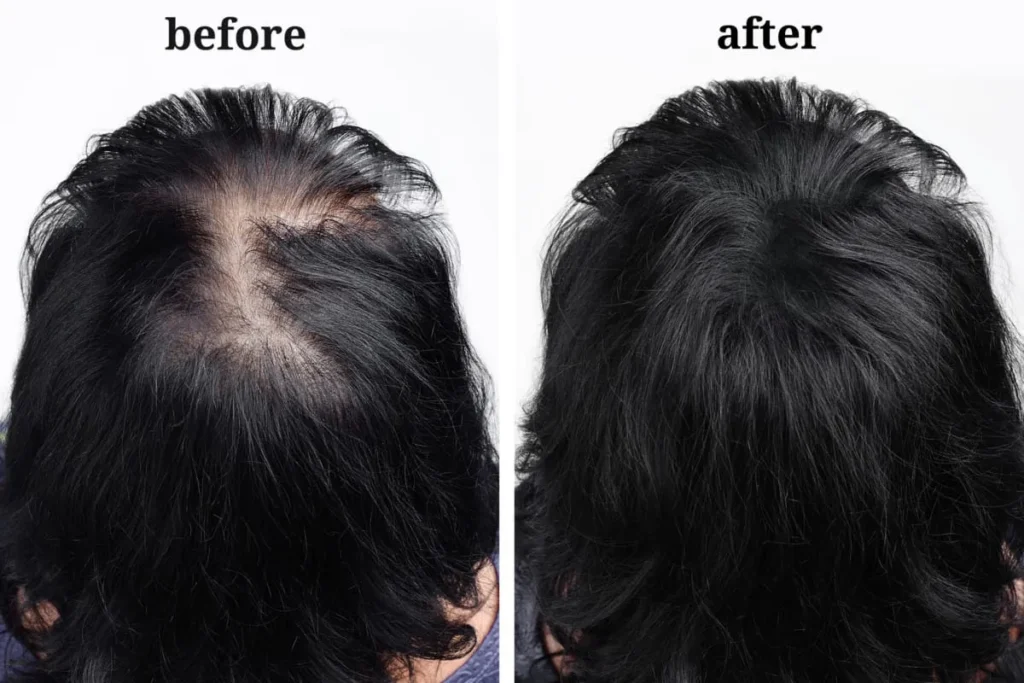
By months 3-6, hair regrowth becomes more noticeable. The hair grows faster and starts to look like it did before chemotherapy. This period is important as it shows a big improvement in hair growth.
Long-Term Recovery (Beyond 6 Months)
Beyond 6 months, hair growth and recovery continue. It may take up to a year or more for hair to fully return to its pre-chemotherapy state. During this time, the hair’s texture, color, and thickness keep improving.
Throughout these stages, patience and proper hair care are key. Understanding the different stages of hair regrowth after chemotherapy helps individuals navigate this process. It also supports their hair’s recovery.
Managing Changes in Hair Texture and Appearance
After chemotherapy, hair growth can bring unexpected changes. These include changes in hair texture and color. Some people may notice “chemo curls,” even if they never had curly hair before.
The Phenomenon of “Chemo Curls”
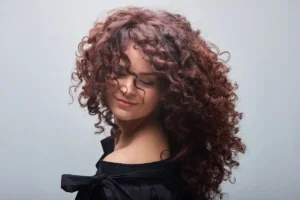
Curly hair can grow after chemotherapy, even if you had straight hair before. This is called “chemo curls.” It’s not fully understood why this happens, but it might be because chemotherapy changes the hair follicle.
For some, curly hair is a nice surprise. But for others, it can be upsetting. Knowing that these changes are usually temporary can help.
Color and Pigmentation Changes
Chemotherapy can also change hair color or pigmentation. Hair might grow back darker, lighter, or with a different tone. These changes are a natural response to chemotherapy stress and usually go back to normal over time.
It’s important to be gentle with your hair during this time. It may be more fragile and easily damaged. Using the right hair care products and techniques can help manage these changes and support healthy hair growth.
When to Expect Hair to Return to Pre-Chemo State
The time it takes for hair to return to its pre-chemo state varies. Most people see their hair return within a year or two after treatment. This process is slow, with hair texture and color going through different phases before settling.
Knowing about these changes and that they are usually temporary can help. Gentle hair care and patience can help people through this transition.
Practical Tips to Support Healthy Hair Regrowth
After chemotherapy, supporting hair regrowth is key. Gentle care and the right nutrition are essential. A good hair care routine can help your scalp stay healthy and encourage new hair growth.
Gentle Hair Care Practices
During the regrowth phase, gentle hair care is vital. Choose mild shampoos and conditioners without harsh chemicals. Also, use heat styling tools less or on a lower setting to avoid damage.
Use a wide-tooth comb or a soft-bristled brush to gently detangle hair.
Avoid tight hairstyles that can cause hair loss.
Reduce the frequency of washing to maintain natural oils.
Hair care experts say gentle handling is important. It can greatly improve the health and strength of new hair.
Nutrition and Supplements for Hair Health
Eating a balanced diet is key for hair regrowth. Foods rich in protein, iron, and biotin are great for your hair.
Supplements can also help with hair health. But, always talk to a healthcare provider before starting any new supplements.
When to Consult with Healthcare Providers
If you see unusual hair changes, like too much shedding or slow growth, see your healthcare provider. They can give you advice and treatment options tailored to you.
Key Takeaways:
Practice gentle hair care to minimize damage.
Maintain a balanced diet rich in essential nutrients.
Consult with healthcare providers for personalized advice.
Sonuç
Hair regrowth after chemotherapy is a sign of healing and recovery. Understanding hair growth stages and managing changes in hair texture is important. It can make a big difference.
Most people see a lot of hair grow after chemo in the first year. They keep getting better over time. By the 1 year post chemo hair growth, the progress is really clear. It shows how strong the body is.
To help hair growth post chemo, gentle hair care and a balanced diet are key. Being patient and celebrating small wins is important on this journey.
In the end, hair regrowth after chemo shows the body’s healing power. With the right care and support, people can fully recover. They can get back to their hair health before chemo.
SSS
How long does it take for hair to grow back after chemotherapy?
Most people notice a soft “peach fuzz” appearing 3 to 4 weeks after their last treatment. By 2 to 3 months, you may have an inch of growth, and by the 6-month mark, the hair is usually thick enough to cover bald patches, though full length takes a year or more.
What are the stages of hair growth after chemotherapy?
The process begins with fine, colorless fuzz, followed by a thicker “crop” that may have a different texture (the “chemo curl” stage). Over 6 to 12 months, the hair follicles typically recover their normal function, and your hair gradually returns to its original color and thickness.
Why does hair grow back curly after chemotherapy?
Chemo drugs linger in the body and temporarily damage the hair follicle, often causing it to collapse slightly or change shape. This structural shift in the follicle, along with changes in the hair’s protein (keratin) bonds, causes the hair to emerge with a spiral or wavy pattern.
Are chemo curls permanent?
For the majority of people, chemo curls are temporary. As the drugs leave your system and the follicles heal—usually over 12 to 18 months—the hair often reverts to its pre-treatment texture. However, a small percentage of patients may experience permanent changes in hair shape or color.
How can I support healthy hair regrowth after chemotherapy?
Treat your new hair like a baby’s: use mild, sulfate-free shampoos and avoid high-heat styling or chemical dyes for at least six months. Gentle scalp massages can also improve blood circulation to the recovering follicles, providing them with the oxygen needed for growth.
What nutritional elements are essential for hair health?
Prioritize protein, iron, and B-vitamins (like Biotin and B12), which provide the building blocks for new hair cells. Vitamin D, Zinc, and Vitamin C are also critical for repairing the follicle’s machinery and supporting collagen production in the scalp.
When should I consult with healthcare providers about my hair regrowth?
Speak to your oncologist or a dermatologist if you see no growth 6 months after treatment, or if the hair is growing in very patchy and painful areas. This could indicate a persistent nutritional deficiency or a less common form of permanent follicle damage.
Can I take supplements to support hair health after chemotherapy?
While supplements like Biotin are popular, always consult your oncologist first. Certain vitamins or antioxidants can interfere with ongoing maintenance therapies or lingering medications, so they must be cleared by your medical team to ensure they are safe for your specific recovery.
How can I manage changes in hair texture and appearance?
Embrace the “short crop” phase with modern, low-maintenance styles and use hydrating conditioners or curl creams to manage the dryness of new growth. Silk pillowcases can also help by reducing friction on fragile new strands while you sleep.
Why is my hair growing back while I’m still on chemotherapy?
This can happen if your follicles have “adapted” to the drug or if the dosage has been lowered. It is also common with targeted therapies or certain “chemo pills” that aren’t as aggressive toward hair cells as traditional intravenous chemotherapy.
Referanslar
JAMA Network. Evidence-Based Medical Insight. Retrieved from https://jamanetwork.com/journals/jamadermatology/fullarticle/2784689