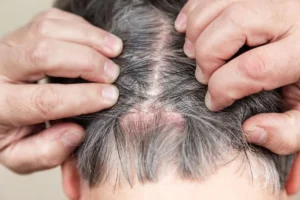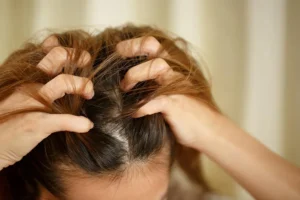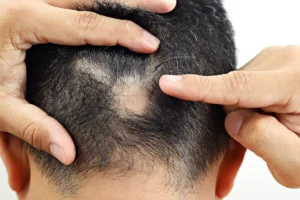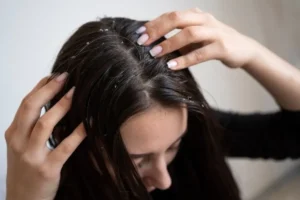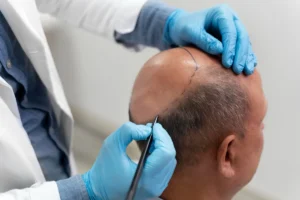
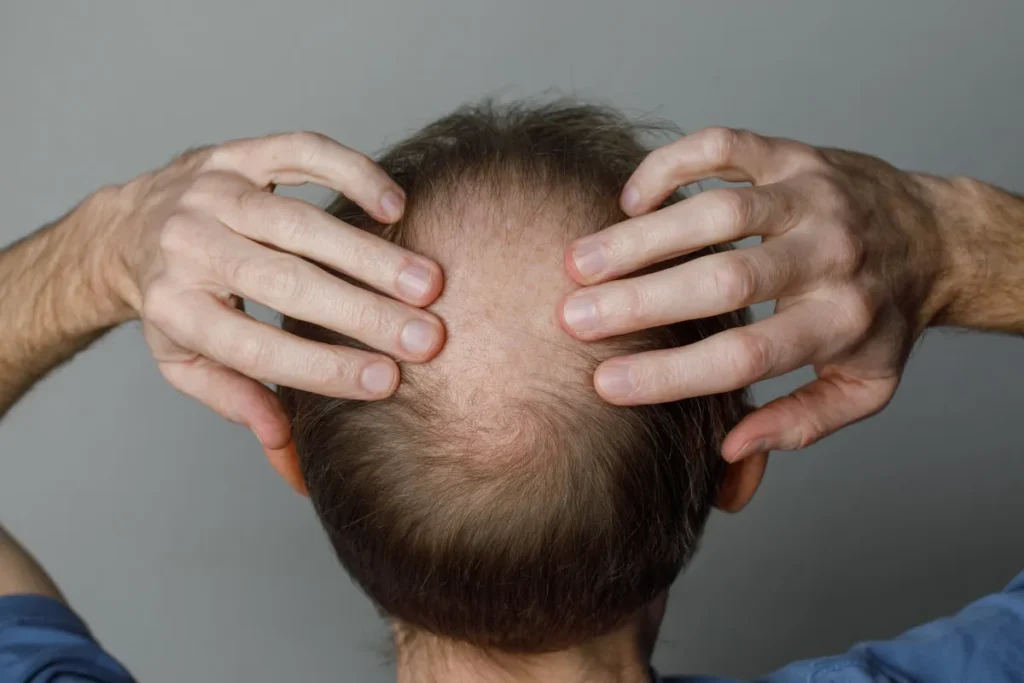
Are you noticing your crown hair loss becoming more pronounced? It’s affecting your confidence and overall sense of self. You’re not alone. According to Kimberly Lee, MD, hair thinning at the crown can happen to anyone and is often overlooked until it progresses.
Stop head crown hair loss and see incredible results. Use these powerful strategies to thicken your hair and cover bald spots permanently.
The good news is that with early diagnosis and evidence-based treatment strategies, many women can halt progression and regrow hair on the crown.
At gold city hair, experienced specialists provide personalized, compassionate care. By understanding the causes and effects of crown hair loss, individuals can take the first step towards regrowing their hair and improving their overall well-being. Regaining confidence and achieving dream hair is now a reality with the right guidance and treatment.
Önemli Çıkarımlar
Early diagnosis is key in addressing crown hair loss.
Evidence-based treatment strategies can stop hair loss progression.
Personalized care is vital for effective hair regrowth.
Regaining confidence is a big benefit of hair restoration.
Modern techniques and expert guidance can lead to successful hair regrowth.
Understanding Head Crown Hair Loss: Causes and Symptoms
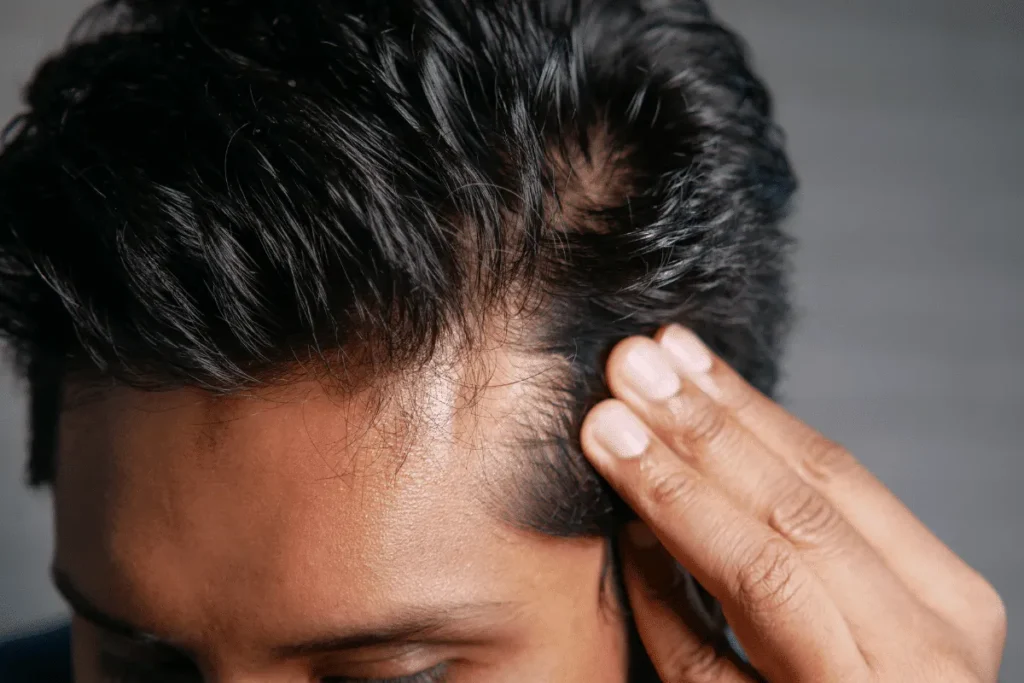
Hair loss at the crown of the head worries many. It can hurt one’s self-image and confidence. Knowing why and how to spot crown hair loss is key for those with thinning hair.
What Causes Crown Thinning and Hair Loss
Crown hair thinning comes from many sources. Hormonal imbalances, genetics, and lifestyle play big roles. Hormonal changes, like testosterone turning into DHT, shrink hair follicles. This makes hairs thinner and shorter.
Genetic Predisposition: If your family has baldness, you might lose hair at the crown too.
Lifestyle Factors: Stress, bad diet, and tight hairstyles can make hair thinning worse.
Recognizing the Signs of Crown Hair Thinning
The signs of crown hair thinning differ for everyone. You might see your scalp, shed a lot, or have less hair. Spotting these signs early is important for effective treatment.
Visible scalp through the hair
Excessive shedding, mainly after washing or combing
Reduced hair density, making hair look thinner
Psychological Impact of Crown Hair Loss
The mental effects of crown hair loss are real. It can make you feel insecure, low on self-esteem, and anxious. Regaining confidence through hair restoration can greatly improve your life.
— Hair Restoration Expert
Understanding crown hair loss, its signs, and its mental effects helps. It’s the first step to tackling hair thinning and finding treatments.
Effective Treatments to Stop Crown Hair Loss and Stimulate Regrowth
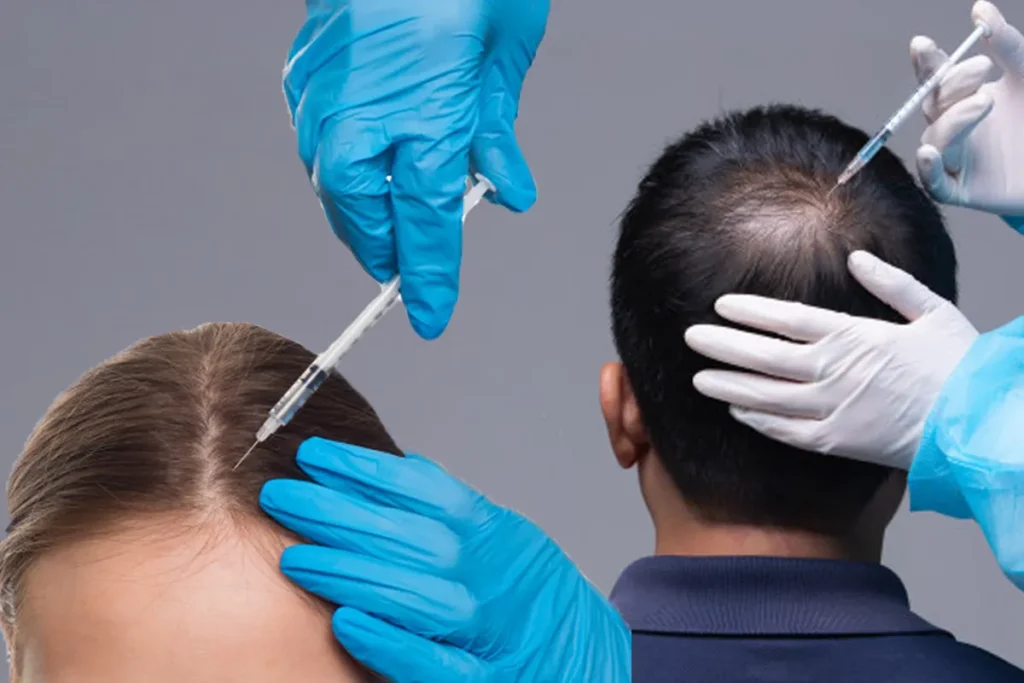
Dealing with crown hair loss needs a full plan. This includes good treatments and lifestyle changes. Knowing your options helps you choose the best way to grow back your hair and stop more loss.
Medical Treatments and Prescription Options
Medical treatments are often the first step against crown hair loss. Minoxidil and finasteride are two common medicines. Minoxidil is applied to the scalp to grow hair and slow loss. Finasteride is taken by mouth to block a hormone that causes hair loss.
Studies show these medicines help grow hair and slow loss. Always talk to a doctor to find the right treatment for you.
Over-the-Counter Solutions for Crown Thinning
There are also OTC solutions for thinning hair at the crown. Biotin supplements are known for supporting hair health. They strengthen hair follicles and encourage growth.
Other OTC products, like shampoos and serums with saw palmetto and keratin, also help. They nourish the scalp and hair follicles, helping hair grow.
Lifestyle Changes That Support Hair Regrowth
Changing your lifestyle can also help your hair grow back. Avoiding heat styling and using gentle hair products reduces damage. Eating a diet full of vitamins and minerals, like iron and omega-3s, is also key.
Eat a balanced diet rich in vitamins and minerals.
Reduce heat styling to minimize hair damage.
Use gentle hair care products.
Preventative Measures for Those at Risk
If you’re at risk of crown hair loss, there are steps you can take. Regular scalp massages boost blood flow and promote growth. Managing stress with meditation and yoga can also help prevent hair loss.
By trying these treatments and lifestyle changes, you can tackle crown hair loss and encourage growth. It’s about finding the right mix for your situation.
Conclusion: Creating a Comprehensive Plan for Healthier Crown Hair
If you’re seeing your crown hair thinning, it’s time to act. Getting help from a hair clinic is a good first step. They can check your hair follicles and find ways to help.
Fixing thinning crown hair needs a plan that includes medical treatments and lifestyle changes. Knowing why your hair is thinning and spotting the signs early can help. This way, you can work towards thicker, fuller hair.
Get a care plan that fits your hair needs. Modern technology and expert advice can help you grow your hair naturally. If you’re worried about thinning hair, book a free analysis. It’s the first step to finding a solution for your crown hair loss.
SSS
What are the main causes of hair loss on the crown of the head?
Hair loss on the crown is often caused by androgenetic alopecia (pattern baldness), hormonal changes, stress, nutritional deficiencies, or certain medical conditions. In women, hormonal shifts like menopause can play a major role.
How can I regrow hair on my crown?
Regrowth may be possible with topical treatments like minoxidil, PRP therapy, low-level laser therapy, nutritional support, and addressing any underlying hormonal or medical issues. Early intervention improves results.
What are the signs of crown hair thinning?
Signs include visible scalp at the crown, reduced hair density, a widening part, or hair that feels finer and weaker than surrounding areas.
Is crown hair loss permanent?
It can be permanent if follicles are severely miniaturized or scarred. However, early-stage thinning is often reversible or manageable with treatment.
How effective are medical treatments for crown hair loss?
Treatments like minoxidil and PRP can be effective in slowing shedding, increasing density, and sometimes promoting regrowth, but results vary by individual and severity.
Can lifestyle changes really make a difference in hair regrowth?
Yes, managing stress, eating a balanced diet, avoiding excessive heat or chemical damage, and taking care of scalp health can support hair regrowth and prevent further thinning.
Are there any preventative measures I can take to avoid crown hair loss?
Preventive steps include early use of topical treatments, maintaining scalp health, protecting hair from mechanical damage, and addressing hormonal or nutritional issues.
How can I stop losing hair at the crown of my head?
Stopping hair loss often requires a combination of medical treatments, lifestyle adjustments, and gentle hair care practices. Consistency is key for effective results.
What is the best way to address female balding on the crown?
For women, the best approach combines topical minoxidil, proper nutrition, gentle hair care, and medical evaluation to rule out hormonal or thyroid issues.
Can hair transplantation help with crown hair loss?
Yes, hair transplantation can restore density in the crown if the hair loss is stable and permanent, and there is enough donor hair available.