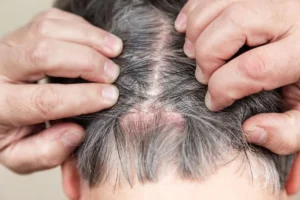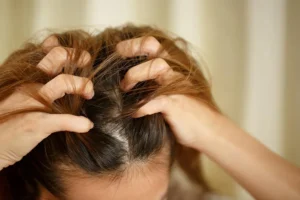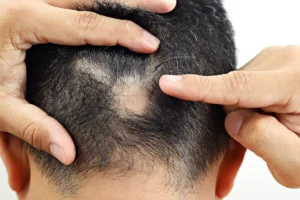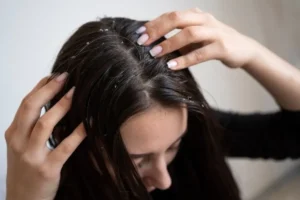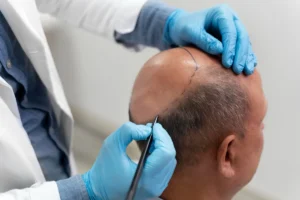
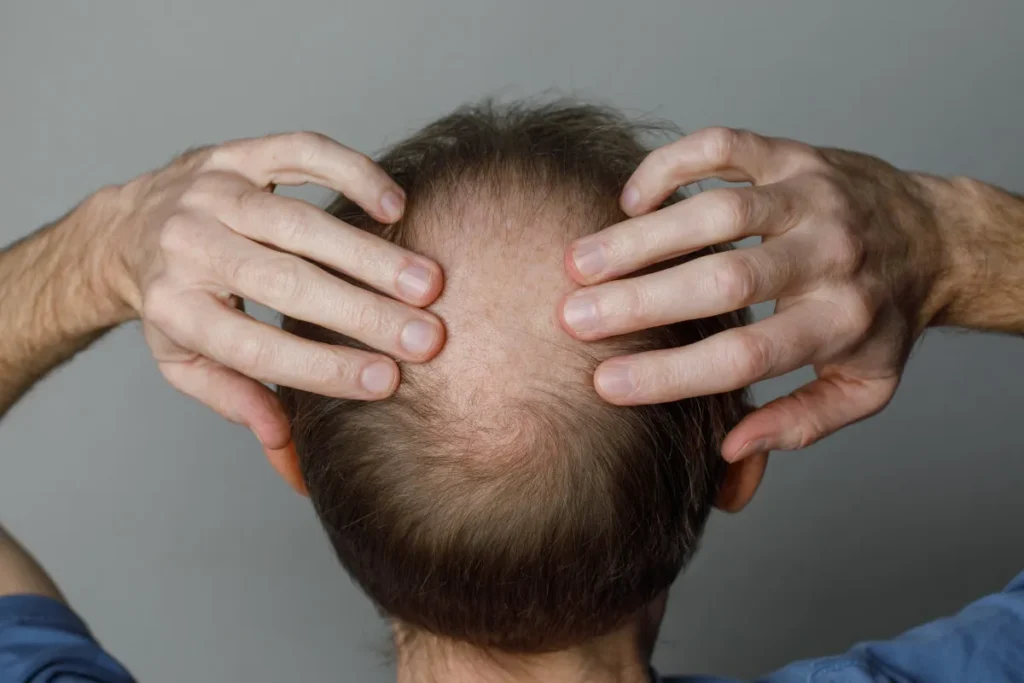
Experiencing hair loss due to alopecia can be really tough. But, there’s hope for your hair to grow back. Alopecia areata, the most common form of non-scarring hair loss, offers a chance for hair to regrow in most patients within a year. Studies show that 34 to 50 percent of those with patchy hair loss see their hair grow back on its own within a year.
The best part is, hair follicles stay alive even when they stop growing. This means hair can grow back even after it’s completely lost. With new treatments and care focused on the patient, people can get the best help to grow their hair back. This approach can greatly improve the chances of successful hair regrowth.
Önemli Çıkarımlar
Hair regrowth is possible after alopecia areata.
Spontaneous recovery rates range from 34 to 50 percent within one year.
Advanced treatments can maximize regrowth.
Patient-centered care improves overall outcomes.
Hair follicles remain alive, allowing for regrowth.
Understanding Different Types of Alopecia and Recovery Potentials
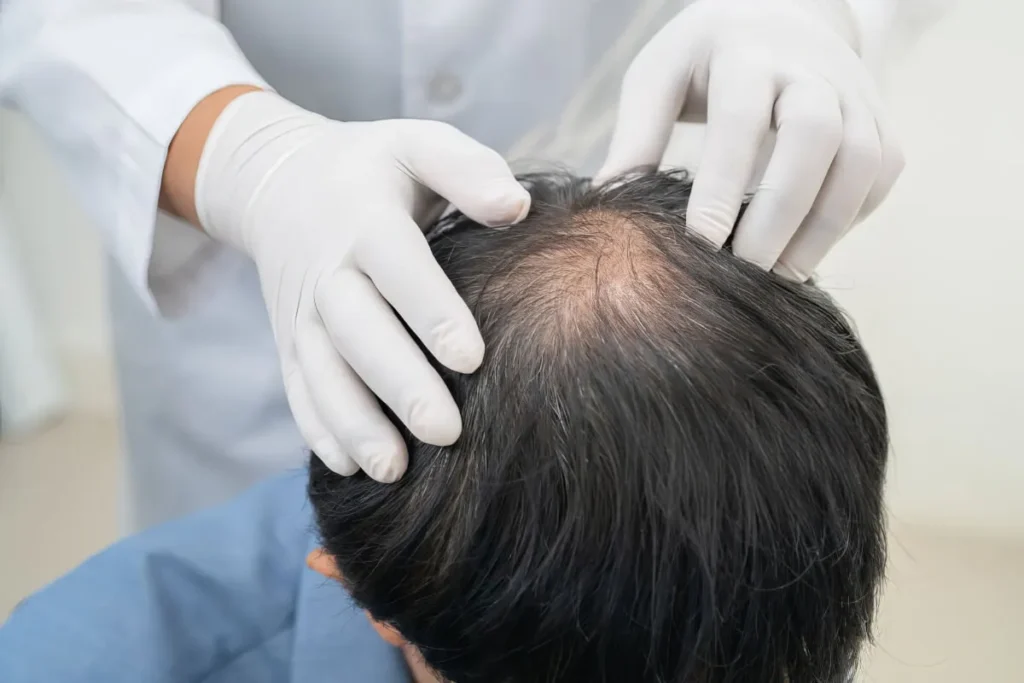
It’s important to know the different types of alopecia to understand hair regrowth chances. Alopecia is a term for various autoimmune and inflammatory conditions causing hair loss. The recovery chances vary a lot based on the type and severity of alopecia.
Alopecia Areata vs. Other Forms of Hair Loss
Alopecia areata is a common type, causing patchy hair loss. It happens when the immune system attacks hair follicles. Unlike scarring alopecia, alopecia areata doesn’t destroy the follicles, so hair can grow back. Treatment aims to stop the immune system’s attack, helping hair to regrow.
Scarring alopecia, on the other hand, can lead to permanent hair loss if not treated early. It destroys follicles and replaces them with scar tissue. Quick action is key to prevent permanent damage.
Recovery Statistics: What Research Shows
Research on alopecia areata shows good news for hair regrowth. Studies say that with the right treatment, hair can start growing back in 6 weeks. But, it might take several months for full recovery. Here are some key findings from recent studies.
Is Alopecia Deadly? Addressing Common Concerns
Many people worry if alopecia is life-threatening. Alopecia itself is not deadly. But, it can have big emotional and psychological effects. It’s vital to talk about these worries and look at treatment options.
Starting your hair restoration journey means understanding your condition and exploring treatments. Modern methods and personalized care help many people regrow their hair. They achieve dense, natural results. Healthcare providers use advanced technology and tailored plans to help people recover.
How Long Does Alopecia Take to Grow Back? Detailed Timeline
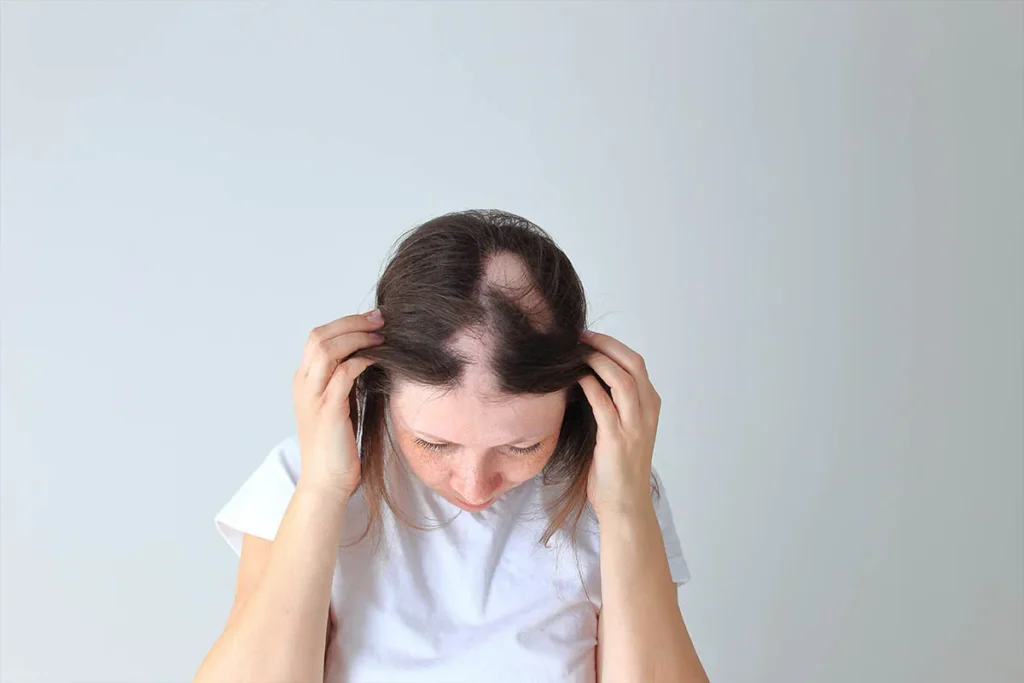
The journey to hair regrowth after alopecia has several stages. Each stage has its own timeline and features. Knowing these stages helps set realistic goals and make smart treatment choices.
Early Signs of Regrowth (6-12 Weeks)
Within 6 to 12 weeks, you might see the first signs of hair coming back. New hair might look fine or white at first. But, it usually gets back to its normal color and feel over time. Spotting regrowth early can really boost your confidence, showing that your treatment is working.
Keep in mind, hair growth can happen in cycles. You might see periods of shedding followed by new hair. This cycle can be affected by how severe your alopecia is and the treatment you’re using.
Visible Recovery Phase (3-6 Months)
By 3 to 6 months, you’ll start to see more hair. This is a key time to check if your treatment is working and adjust your care plan if needed.
Long-Term Recovery for Severe or Chronic Cases (9-12+ Months)
If you have severe or chronic alopecia, recovery might take longer than 9 to 12 months. Being patient and persistent is essential during this time. The growth process can be slow, and you might need to keep adjusting your treatment.
Knowing the timeline for hair regrowth after alopecia helps you manage your recovery better. With the right treatment and support, you can see significant growth and feel more confident about your looks.
Factors That Influence Hair Regrowth After Alopecia
Many factors can affect how fast and well hair grows back after alopecia. Knowing these factors is key for those wanting to get their hair back and feel confident again.
Treatment’s Role in Recovery Speed
The kind and timing of treatment greatly influence recovery speed. Early treatment with the right methods can really help hair grow back. These methods might include medicines that help hair grow, reduce swelling, or fix the alopecia’s cause.
Being open and clear is important. Doctors should explain the treatment options, how well they work, and any risks. This helps patients make smart choices about their treatment.
Impact of Alopecia Severity and Duration
The severity and how long alopecia lasts are big factors in hair regrowth. Early and less severe cases often have better outcomes. But, long-lasting or severe cases can make it harder for hair to grow back.
Knowing how much hair is lost and for how long helps doctors create better treatment plans. This tailored approach can greatly improve hair regrowth chances.
Managing Recurring Episodes of Hair Loss
Alopecia often comes back, leading to ongoing hair loss. Handling these episodes well is key to keeping hair healthy long-term. This means ongoing treatment, making lifestyle changes, and watching for early signs of hair loss coming back.
By being proactive and making a management plan that fits you, you can deal with recurring alopecia better. This not only helps in growing hair back but also keeps it for the long run.
Conclusion: Setting Realistic Expectations for Recovery
It’s important to understand that everyone’s recovery time is different. Some people might see their hair grow back on its own. Others might need to keep getting treatment.
Things like how bad the alopecia is, how long it’s lasted, and how well treatments work can affect recovery. Knowing these things helps patients prepare for their hair growth journey.
With the right care and support, patients can get the best results. Talking about the chance of hair growth and the options for treatment can keep spirits high. It shows that getting back to feeling confident and having the hair you want is possible.
SSS
Does hair grow back after alopecia?
Yes, hair can grow back in many cases, especially with Alopecia areata, but regrowth varies by type and severity.
How long does it take for hair to grow back after alopecia?
Regrowth may begin within 3–6 months, though full recovery can take longer depending on the condition.
Is alopecia deadly?
No, alopecia itself is not a life-threatening condition.
Can you die from alopecia?
No, alopecia does not cause death, as it mainly affects hair follicles.
Will hair grow back with alopecia areata?
Yes, many people experience spontaneous or treatment-assisted regrowth, but relapses can happen.
How long does alopecia last?
It can be temporary or long-term; some cases resolve within months, while others may persist for years.
What factors influence hair regrowth after alopecia?
Type of alopecia, early treatment, immune response, genetics, stress levels, and overall health affect regrowth.
Can hair loss from alopecia be permanent?
Yes, certain types like scarring alopecia can cause permanent hair loss if follicles are destroyed.
Referanslar
JAMA Ağı. Kanıta Dayalı Tıbbi Öngörü. Erişim adresi https://jamanetwork.com/journals/jamadermatology/fullarticle/2688586[3