Learn how to get rid of folliculitis with these fast wins. Discover powerful natural and OTC treatments to clear your skin and stop itching.
Folliculitis is an inflammatory skin condition that affects hair follicles. It can be caused by bacterial or fungal infections. Regaining confidence starts with effective treatment.
Natural remedies and over-the-counter (OTC) treatments are very effective against folliculitis. Topical agents like benzoyl peroxide and tea tree oil have shown to work well.
There are many treatment options available. Warm saltwater compresses and hydrogen peroxide can help. By trying these treatments, one can overcome the discomfort and emotional distress associated with folliculitis.
Önemli Çıkarımlar
Effective treatments for folliculitis include natural remedies and OTC options.
Topical agents like benzoyl peroxide and tea tree oil show clinical efficacy.
Home remedies such as warm saltwater compresses can provide relief.
Understanding the cause of folliculitis is key to choosing the right treatment.
Regaining confidence is possible with the right folliculitis treatment approach.
Understanding Folliculitis and Its Causes
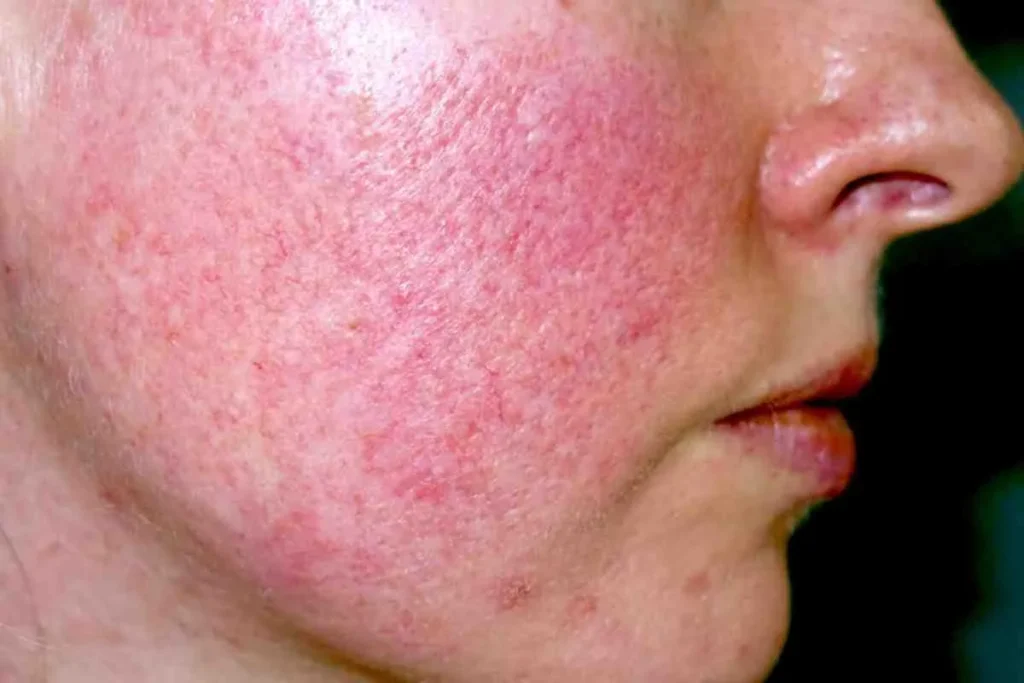
Knowing what causes folliculitis is key to treating it. It often comes from bacterial and fungal infections. Folliculitis makes hair follicles inflamed, causing red bumps, itching, and pus.
Common Bacterial and Fungal Infections
Staphylococcus aureus bacteria can infect hair follicles, causing inflammation. This leads to folliculitis. Fungal infections, like those from Malassezia yeast, also cause folliculitis.
Several factors can increase your risk of getting folliculitis. These include:
Poor hygiene
Tight clothing that causes friction
Shaving or waxing
Compromised immune systems
Recognizing Symptoms and Affected Areas
The symptoms of folliculitis depend on the cause and severity. Common signs include:
Red bumps or pustules around the hair follicles
Itching or burning sensations
Pus-filled follicles
Crusting or scabbing around the affected follicles
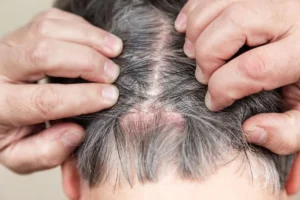
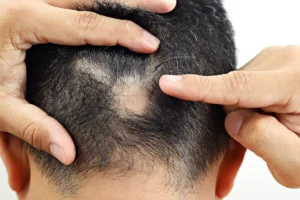
Folliculitis can happen anywhere hair grows. This includes the scalp, face, neck, armpits, and groin. It’s important to get it treated to avoid discomfort and unsightly appearance.
How to Get Rid of Folliculitis with OTC Treatments
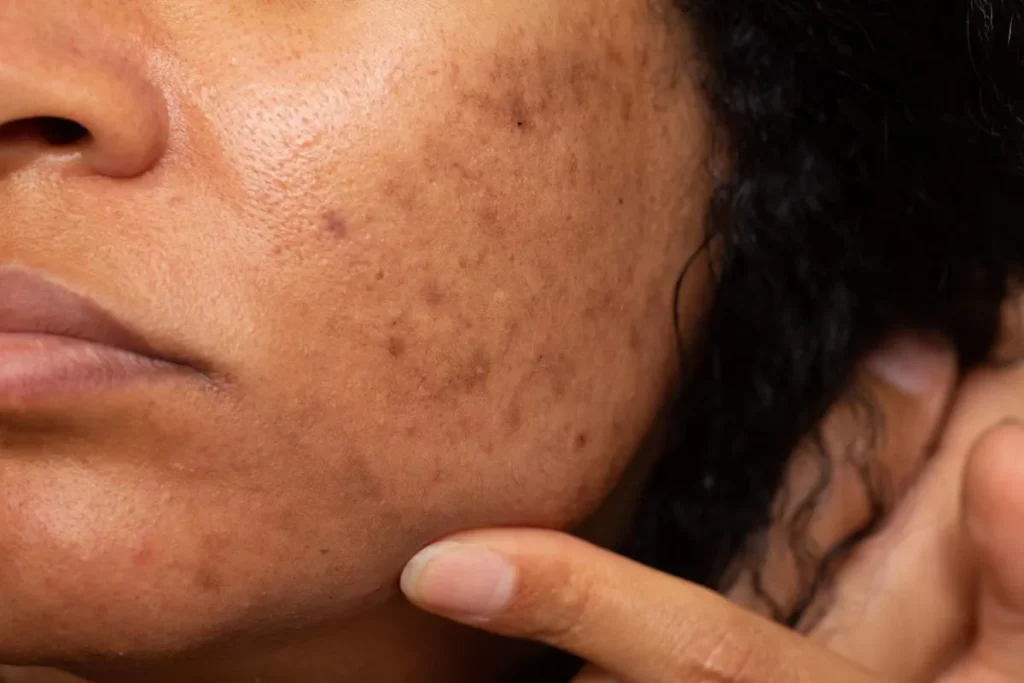
OTC treatments are a good first step for those with folliculitis. This condition can be uncomfortable, but it’s treatable. The right treatment can help manage it.
OTC treatments for folliculitis include various products. Benzoyl peroxide is one effective option. It fights bacterial infections and reduces inflammation.
Benzoyl Peroxide and Antibacterial Solutions
Benzoyl peroxide kills bacteria that cause folliculitis. This reduces inflammation and stops further infection. Studies have shown it works well for mild to moderate cases.
Antibacterial solutions are also important. They clean the area, reducing infection risk. This helps the skin heal.
Antifungal Medications for Yeast-Related Cases
For fungal infections, antifungal medications are key. They target the fungal infection, easing symptoms and aiding healing.
Clinical evidence backs using antifungal meds for yeast-related folliculitis. They address the infection’s root cause, providing relief.
Clinical Success Rates of OTC Remedies
OTC remedies for folliculitis show promising results.
This shows OTC treatments can effectively manage folliculitis.
Choosing the right OTC treatment is a big step towards solving folliculitis. Whether it’s benzoyl peroxide for bacteria or antifungal meds for yeast, there are solutions.
Natural Home Remedies for Infected Hair Follicles
Natural remedies are a gentle way to treat folliculitis at home. They can work alone or with over-the-counter (OTC) treatments. This depends on the severity and cause of the condition.
Essential Oil Treatments
Essential oils are known for fighting off infections. Tea tree oil is great because it works against many kinds of microbes. Studies show it can cut bacterial colonies by up to 90% in 10 minutes.
To use essential oils, mix a few drops with a carrier oil like coconut or olive oil. This avoids skin irritation. Apply the mix to the affected area.
Warm Compresses and Salt Solutions
Warm compresses help bring infections to the surface, speeding up healing. Soak a cloth in warm water, wring it out, and apply it for a few minutes. Do this several times a day.
Salt solutions are also helpful. Mix 1 teaspoon of salt with 2 cups of warm water. Use this as a compress or to soak the area. Salt fights off bacteria naturally.
Hydrogen Peroxide and Aloe Vera Applications
Hydrogen peroxide is good for treating folliculitis. It kills bacteria. Use it on the affected area with a cotton swab, but don’t overdo it to avoid dry skin.
Aloe vera soothes and reduces inflammation. It helps with healing. Apply aloe vera gel to the area for relief from itching and discomfort.
Conclusion: When to Use Home Treatments vs. Seeking Medical Help
Understanding when to treat folliculitis at home and when to see a doctor is key. For mild cases, home remedies like hydrogen peroxide or warm compresses can help. These can soothe scalp sores and reduce inflammation.
Over-the-counter (OTC) treatments, such as benzoyl peroxide and antifungal meds, work for mild to moderate cases. Natural options like aloe vera and essential oils can also be helpful. They offer a holistic approach to treating folliculitis.
But, if symptoms don’t get better or get worse, you should see a doctor. Severe cases might need stronger treatments, like prescription meds. A dermatologist can give a proper diagnosis and suggest the best treatment.
Knowing the causes of folliculitis and when to use home treatments or see a doctor is important. This way, you can manage the condition and avoid future problems. Whether you choose OTC treatments or a personalized approach, the right steps can lead to healthier skin.
SSS
What is folliculitis and how is it caused?
Folliculitis is inflammation of hair follicles causing red or pus-filled bumps. It is usually caused by bacteria like Staphylococcus aureus, fungal infection, ingrown hairs, shaving, sweating, or friction.
What are the symptoms of folliculitis?
Small red bumps, white-headed pimples, itching, tenderness, mild pain, and sometimes crusting around hair follicles.
Can folliculitis be treated with over-the-counter (OTC) medications?
Yes, mild cases can be treated with antibacterial washes, benzoyl peroxide, salicylic acid, or antifungal creams depending on the cause.
Are there any natural remedies for treating folliculitis?
Warm compresses, diluted tea tree oil, aloe vera, turmeric paste, and good hygiene may help mild cases.
How effective are essential oils in treating folliculitis?
Some essential oils like tea tree oil have mild antibacterial properties, but they should be diluted and are less effective than medical treatments.
Can I use hydrogen peroxide to treat folliculitis on my scalp?
Hydrogen peroxide is not recommended because it can irritate skin and delay healing.
When should I seek medical help for folliculitis?
If it spreads, becomes painful, produces large boils, lasts more than 1–2 weeks, or keeps returning.
Can folliculitis be prevented?
Yes, keep skin clean, avoid tight clothing, shower after sweating, use clean razors, and avoid sharing personal items.
Are there any home remedies for barber rash, a form of folliculitis?
Yes, stop shaving temporarily, use warm compresses, apply soothing aloe vera, and shave in the direction of hair growth. Barber rash is also called pseudofolliculitis barbae.
Can I use OTC folliculitis treatment on my face?
Yes, but use gentle, face-safe products and avoid harsh chemicals to prevent irritation.
Referanslar
Ulusal Biyoteknoloji Bilgi Merkezi. Kanıta Dayalı Tıbbi Öngörü. Erişim adresi https://pubmed.ncbi.nlm.nih.gov/17658378/