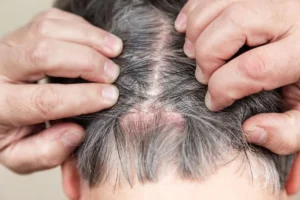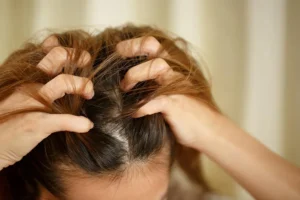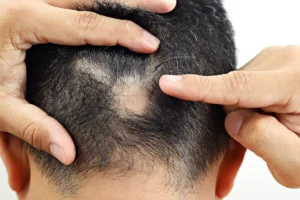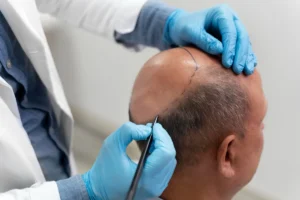
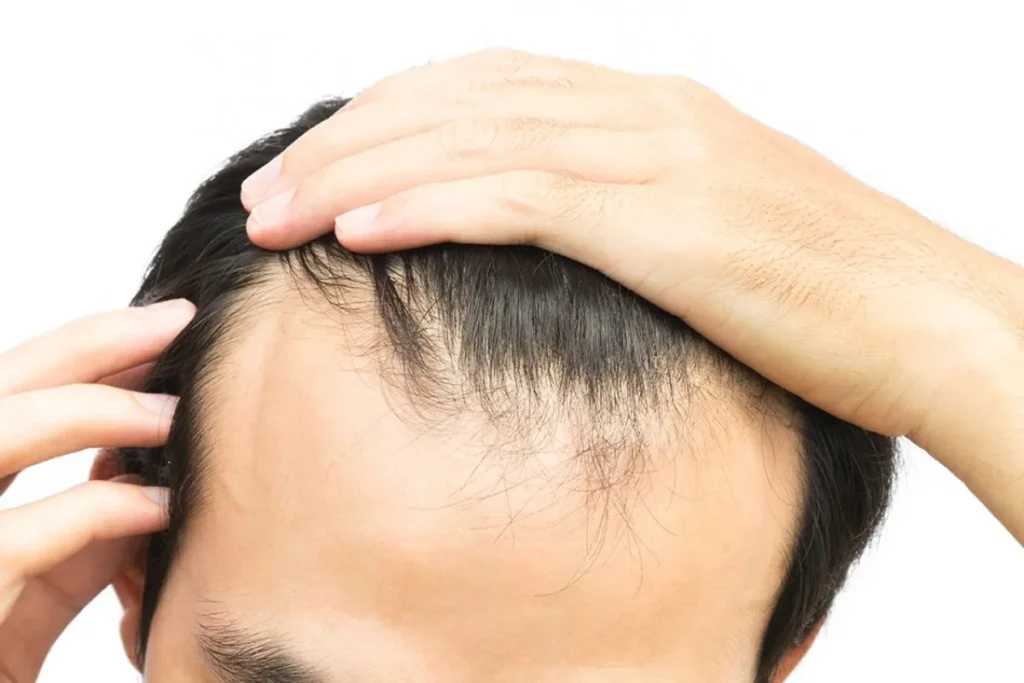
Hair loss is a big problem worldwide, causing worry and confusion. But, thanks to new ways to test, finding out why it happens is easier and more precise. The hair pull test is a key tool in dermatology. It helps spot active hair loss.
To figure out hair loss, you need to look at your medical history, do a clinical check-up, and use non-invasive tests like trichoscopy. This mix helps find out why your hair is thinning. It could be because of your genes, stress, or not getting enough nutrients.
Feeling good about yourself starts with knowing why you’re losing your hair. New tests give important clues. They help make treatment plans that really work.
Önemli Çıkarımlar
Combining medical history and clinical examination is key for diagnosing hair loss.
The hair pull test is a simple, non-invasive tool for diagnosis.
Trichoscopy lets you see hair root details and spot patterns.
A full approach leads to accurate diagnosis and good treatment.
Knowing why you’re losing your hair is the first step to feeling better.
Understanding Different Types of Hair Loss

Knowing the type of hair loss you have is the first step to finding a solution. Hair loss can take many forms, each with its own causes and signs.
Some hair loss is temporary, like in telogen effluvium. Other times, it’s permanent, such as in androgenetic alopecia. Knowing the difference is key to getting the right treatment.
Common Causes of Hair Shedding
Many things can cause hair shedding, like stress, hormonal changes, and certain health issues. Finding the cause is important to fix the problem.
Stress and hormonal changes
Medical conditions like thyroid disorders
Hairstyling practices that harm your hair
Experts say, “Knowing why you’re losing hair is the first step to treating it.”
Normal vs. Excessive Hair Loss
It’s normal to lose some hair every day as part of the hair cycle. But, losing too much hair might mean there’s a problem. Doctors use scales like the Hamilton-Norwood Scale for men and the Ludwig–Savin Scale for women to see how much hair you’re losing.
Getting your confidence back starts with understanding your hair loss. By knowing the type and cause, you can start looking for the right treatment. This is the first step towards getting your hair back.
How to Perform At-Home Hair Loss Tests
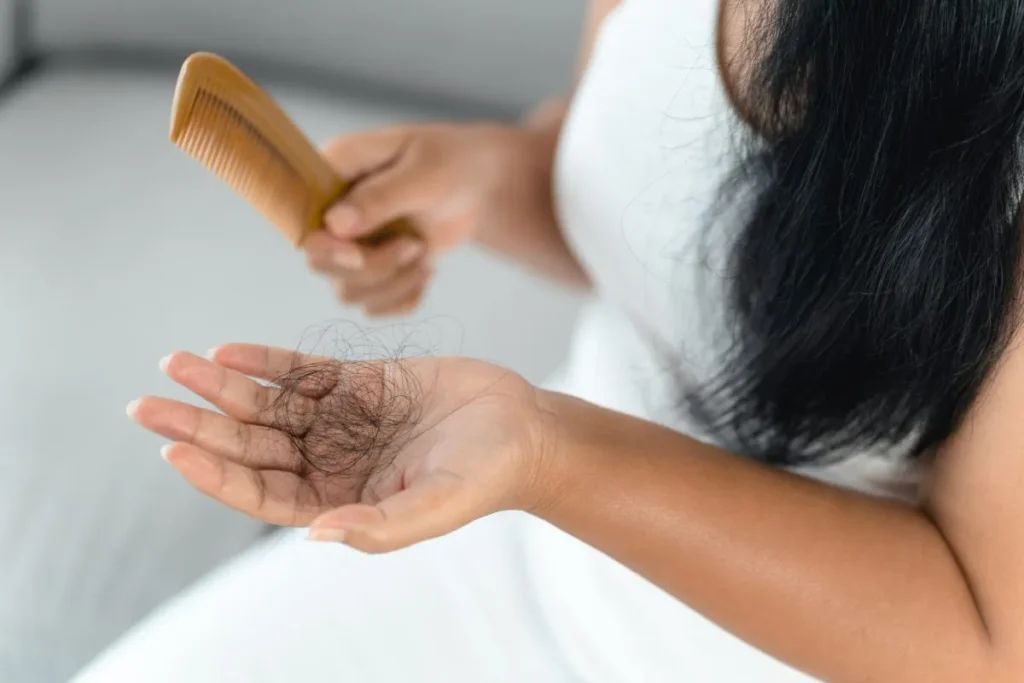
Figuring out if you’re losing hair can be scary. But, there are easy tests you can do at home. These tests help you understand your hair’s health.
The Hair Pull Test Method
The hair pull test is simple. It checks if you’re losing hair. You pull on a small group of hairs from your scalp. If more than 2–3 hairs come out, it could mean you’re losing hair fast, like with telogen effluvium.
To do the hair pull test:
Choose a small section of hair (about 40–60 strands).
Pull on the hair gently with your fingers.
See how many hairs come out.
Do this in different spots on your scalp.
If lots of hair comes out, it might show a problem that needs looking into.
Simple Hair Thinning Tests
There are other easy ways to check if your hair is thinning. The tug test checks if your hair breaks easily by pulling on it. The wash test, or “5-day no-wash” method, counts hairs over a few days to see how much you shed.
These tests aren’t perfect for diagnosing hair loss. But, they can give you clues about your hair’s health. If you’re worried about losing hair, seeing a pro for a detailed check is a good idea.
Blood Tests for Hair Loss: What to Expect
Blood tests are a key tool for finding out why you might be losing hair. They check different markers in your blood. This helps doctors find health problems that could be causing hair loss.
If doctors think a medical issue, hormone problem, or vitamin lack might be causing hair loss, blood tests can help. These tests can spot problems like iron deficiency, thyroid issues, or hormone imbalances. These issues can make hair loss worse or cause it in the first place.
Essential Blood Work for Hair Loss Diagnosis
There are several important blood tests for figuring out hair loss causes. These include:
Ferritin (iron stores)
Vitamin D3
TSH, Free T3, Free T4 (thyroid function)
Testosterone, DHEA, DHT, and SHBG (hormone-binding capacity)
These tests check for nutritional gaps, hormone imbalances, and other health problems. They help find out why you might be losing hair.
When to Seek Professional Testing
If you’re losing a lot of hair, see a doctor. They can decide if blood tests are needed. They’ll also explain what the results mean.
Regain your confidence by finding out why you’re losing hair. Blood tests can give you the answers you need to stop hair loss.
Sonuç
Knowing why you lose hair is key to fixing it. A detailed check-up, like the hair tug test, helps find the real problem. Finding out why you lose hair isn’t easy. It takes careful steps, like looking closely, doing tests, and sometimes a biopsy.
This guide helps you understand your hair loss. It lets you choose the best treatment for you. Feeling good about your hair starts with knowing why it falls out and finding ways to stop it.
With a clear diagnosis, you can start your journey to better hair. Modern technology and expert advice make it possible. Now, having the hair you dream of is within reach.
SSS
What is the hair pull test, and how is it performed?
The hair pull test is a simple check where you gently grasp about 40–60 hairs and lightly pull; it helps assess active hair shedding.
What does the hair pull test indicate?
If more than 5–6 hairs come out easily, it may indicate excessive shedding or active hair loss.
How do I know if I am losing hair excessively?
Signs include noticeable thinning, widening part line, excessive hair on pillows or shower drain, and visible scalp areas.
What other at-home tests can I perform to check for hair thinning?
You can monitor your part width over time, take monthly scalp photos, or observe increased shedding during washing and brushing.
What is the role of blood tests in diagnosing hair loss?
Blood tests help detect underlying issues like iron deficiency, thyroid imbalance, vitamin deficiencies, or hormonal problems.
When should I seek professional testing for hair loss?
Consult a doctor if hair loss is sudden, severe, patchy, persistent, or accompanied by itching, pain, or other symptoms.
Can genetic testing help diagnose the cause of my hair loss?
Genetic testing may help identify hereditary hair loss patterns, but diagnosis is usually based on clinical evaluation.
What are the common causes of hair shedding?
Common causes include stress, hormonal changes, nutritional deficiencies, illness, medications, and genetic hair loss.
How can I perform the hair tug test?
Hold a small section of dry hair between your fingers and gently tug; if several hairs come out easily, shedding may be active.
What is trichoscopy, and how is it used in diagnosing hair loss?
Trichoscopy is a non-invasive scalp examination using a dermatoscope to closely inspect hair follicles and scalp health for diagnosis.
Referanslar
Ulusal Biyoteknoloji Bilgi Merkezi. Kanıta Dayalı Tıbbi Öngörü. Erişim adresi https://pmc.ncbi.nlm.nih.gov/articles/PMC2938572/