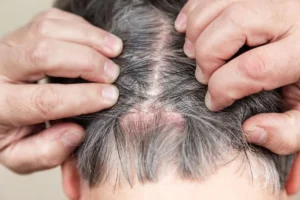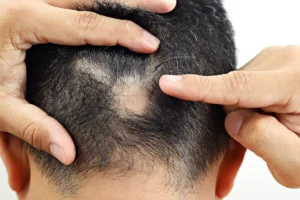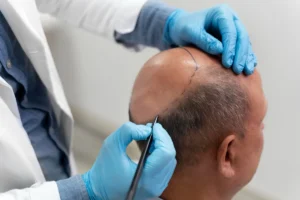

Collagen is the most common protein in our bodies. It helps keep our skin, bones, tendons, cartilage, and hair follicles strong. Recent studies show that hydrolyzed collagen peptides may really help our hair. They found our hair gets thicker, denser, and our scalp feels better.
Collagen helps our hair grow by giving it the amino acids it needs. These nutrients help make keratin, which is key for strong hair. So, collagen can make our hair thicker and healthier.
Önemli Çıkarımlar
Collagen supplementation supports hair health by providing essential amino acids for keratin production.
Hydrolyzed collagen peptides have been shown to improve hair density and thickness.
Recent clinical studies demonstrate the benefits of collagen for overall scalp condition.
Collagen provides structure and support to hair follicles, promoting healthier hair growth.
Collagen supplementation can lead to stronger, thicker hair.
Understanding Collagen and Its Relationship to Hair
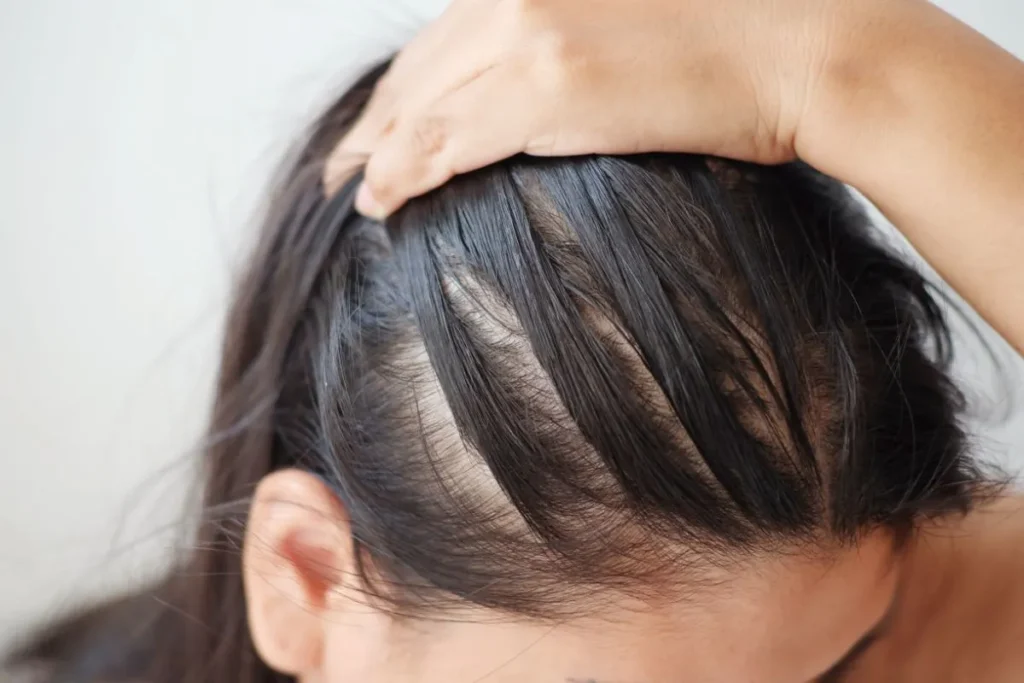
To grasp how collagen affects hair, we need to know its role in hair growth. Collagen is a protein that helps build hair. It has amino acids like glycine, proline, and hydroxyproline, which are key for keratin production.
What Is Collagen and Its Natural Role in Hair Structure
Collagen is the most common protein in our bodies. It’s vital for skin, bones, and connective tissue. For hair, collagen gives amino acids for keratin, making hair strong and resilient. Collagen peptides have amino acids for keratin production, supporting hair growth.
The hair follicle is in a collagen-rich dermal layer. This layer supports and feeds the hair root. As we age, our collagen production drops, causing skin and follicle weakness. This can make hair thinner and more prone to breakage.
The Connection Between Collagen Depletion and Hair Thinning
Collagen loss with age affects hair health. Less collagen means the dermal layer around the follicle weakens. This can cause hair thinning and slower growth. Collagen loss also reduces hair follicle cell growth, worsening hair loss.
Studies show collagen supplements can help hair health. They provide keratin building blocks, supporting hair growth and thickness. This makes collagen a promising treatment for thinning and loss.
Is Collagen Good for Hair? Clinical Evidence and Research
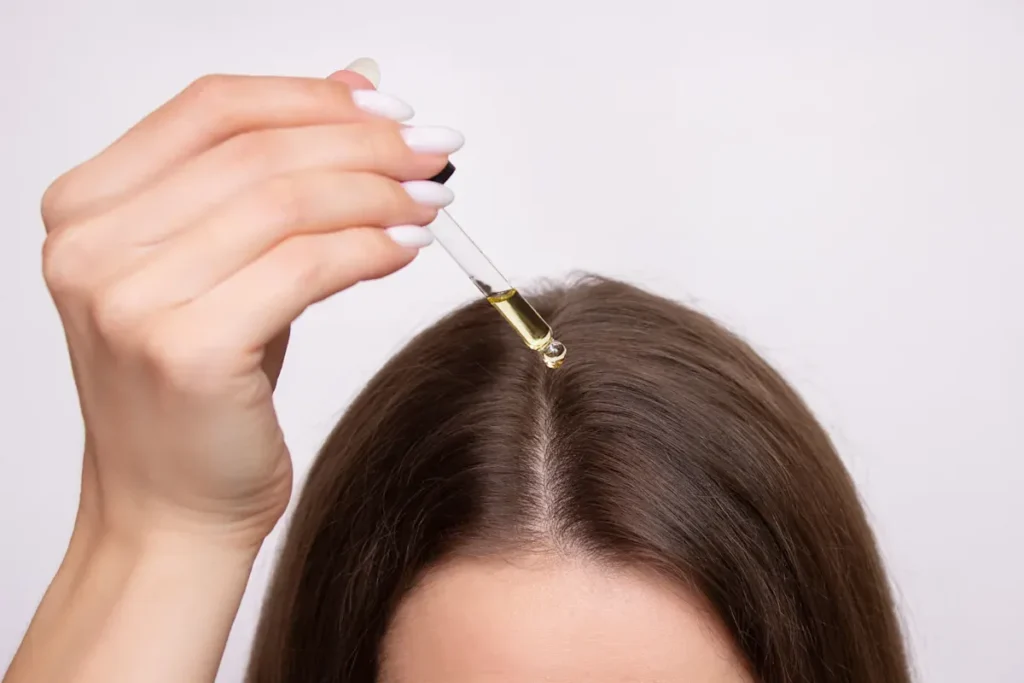
Research shows that collagen supplements can make hair thicker and grow faster. A lot of studies point to collagen’s key role in hair health.
Collagen strengthens the scalp’s dermis layer, where hair grows. This is important for better hair growth and less loss.
2024 Clinical Study Results on Hair Thickness
A 2024 study found that people taking collagen and vitamin C had 31.9% better hair health. This study is strong proof that collagen helps hair thickness.
Participant-Reported Benefits for Hair Growth
People in the 2024 study said their hair grew more and fell out less. They also noticed their hair was denser.
This matches earlier studies. They found collagen helps hair grow by giving it the amino acids it needs.
In summary, the research backs using collagen supplements for hair growth and thickness. As more people look for ways to improve their hair, collagen is becoming a top choice.
How Collagen Peptides Support Hair Growth Mechanisms
Collagen peptides help hair grow by supporting keratin production. Keratin is key for healthy hair. The peptides have amino acids that help build keratin.
Essential Amino Acids: Glycine, Proline, and Hydroxyproline
Collagen peptides are full of glycine, proline, and hydroxyproline. These amino acids are vital for hair health. Glycine improves skin elasticity and hydration, helping hair grow. Proline is key for collagen, and hydroxyproline stabilizes collagen’s structure.
A study in the Journal of Clinical and Aesthetic Dermatology shows these amino acids boost hair growth. They help make keratin.
Building Blocks for Keratin Production
Keratin needs specific amino acids to grow. Collagen peptides offer these essential building blocks. This supports keratin production and healthy hair growth.
31% Increase in Hair Follicle Cell Proliferation
Research found collagen peptides increase human hair follicle cell proliferation by 31%. This boost in cell growth can improve hair thickness and growth.
Fish-Derived Collagen’s Bioactive Properties
Fish-derived collagen has bioactive properties that boost its effectiveness in hair growth. These bioactive peptides can stimulate hair growth by improving scalp and hair follicle health.
In conclusion, collagen peptides support hair growth by providing essential amino acids for keratin, increasing hair follicle cell proliferation, and using fish-derived collagen’s bioactive properties. Understanding these mechanisms helps individuals choose collagen peptides for better hair health.
Conclusion: Making an Informed Decision About Collagen for Hair Health
Recent studies show that collagen supplements can really help with hair health. They found that collagen is linked to hair growth. This is because collagen gives hair the amino acids it needs to grow.
Collagen peptides are key for making keratin, which is vital for healthy hair. The research says collagen can help grow hair, even more when used with other treatments.
So, is collagen good for hair growth? The science says yes. It can make hair follicles grow more, leading to thicker, healthier hair. Adding collagen to your hair care routine might be a smart move for better hair health.
To decide if collagen is right for you, learn about its benefits and how it works. Choose a good collagen supplement and use it with other hair growth treatments. This way, you might get the hair you’ve always wanted.
SSS
Does collagen peptides help with hair growth?
Yes, collagen peptides provide the essential amino acids—proline, glycine, and hydroxyproline—that your body needs to build keratin, the primary protein in hair. Recent 2026 clinical trials have shown that oral collagen supplementation can significantly enhance hair resistance and reduce shedding by improving the health of the dermis, where follicles are rooted.
What type of collagen is best for hair regrowth?
Hydrolyzed Marine Collagen (Type I) is widely considered the best choice for hair health due to its superior bioavailability and smaller peptide size, which allows for faster absorption. Bovine Collagen (Types I and III) is also effective, as it specifically supports the skin elasticity and blood vessel integrity necessary for a healthy scalp environment.
How long does it take to see results?
While individual timelines vary, the general 2026 clinical consensus for visible hair changes is:
-
2–4 Weeks: Improvements in hair texture, smoothness, and scalp hydration are often reported.
-
8–12 Weeks: Significant reductions in hair breakage and an increase in clinical hair healthy appearance scores.
-
3–6 Months: This is the typical window for observing increased hair density and the emergence of new growth.
Is collagen good for hair loss?
Collagen serves as a powerful supportive treatment for diffuse thinning or stress-related loss (telogen effluvium) by neutralizing follicle-damaging free radicals. However, it is not a cure for genetic conditions like male or female pattern baldness, though it can complement medical treatments like minoxidil by optimizing scalp health.
Can collagen make hair grow faster?
Collagen does not speed up the biological rate of hair growth, but it significantly improves length retention. By strengthening the hair shaft’s mechanical resistance and preventing split ends, it allows hair to reach longer lengths more quickly without breaking off.
Is collagen supplementation safe for hair health?
Yes, collagen is generally safe, with most people tolerating 5g to 15g daily without issues. Because most collagen is sourced from fish, cows, or eggs, those with food allergies should be careful, and beginners are often advised to start with a lower dose (2–3g) to avoid minor digestive upset.
Referanslar
National Center for Biotechnology Information. Evidence-Based Medical Insight. Retrieved from https://pubmed.ncbi.nlm.nih.gov/