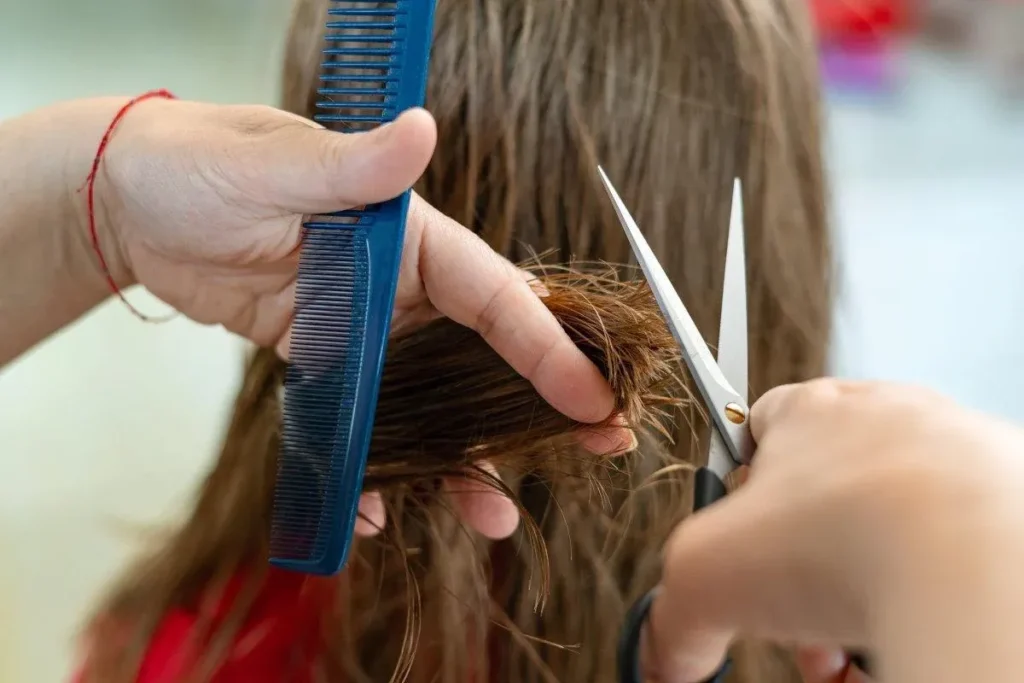
Have you been growing out your hair for months or even years? You might notice it looks thinner and more damaged. The truth about neglecting split ends may surprise you.
Bu korkutucu gerçek ve onarım ile kırık uçlu saç hasarını durdurun. Korkunç kırılmaları düzeltmek ve inanılmaz saçlar elde etmek için şaşırtıcı, güçlü yollar kullanın.
When the protective outer layer of your hair gets damaged, it can lead to split ends. These usually affect the oldest and most fragile strands at the ends of your locks. If you don’t cut them, the damage can spread up the hair shaft, causing more breakage.
Ignoring this problem can make your hair thinner and weaker. This can really affect how it looks. Getting regular trims is key to removing damaged ends and keeping your hair healthy.
Önemli Çıkarımlar
Neglecting split ends can lead to further damage and breakage.
Regular trims help maintain healthy hair and prevent split ends from traveling up the hair shaft.
Damaged hair can appear thinner and more fragile.
Cutting split ends doesn’t directly accelerate hair growth, but it helps retain length.
Healthy hair maintenance is key for long, healthy locks.
Understanding Split Ends Hair: Structure and Formation
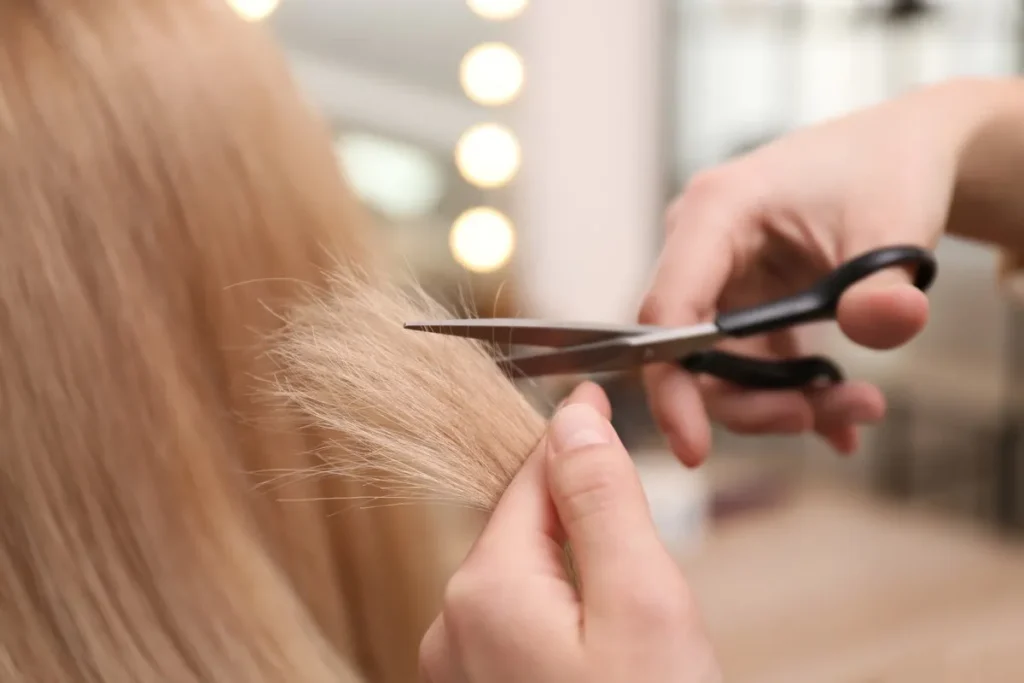
To understand split ends, we need to know about hair’s structure. Hair has three layers: the medulla, cortex, and cuticle. The cuticle is the outermost layer, protecting the inner layers. Damage to this layer can cause split ends.
How Split Ends Develop in Hair Strands
Split ends happen when the cuticle layer gets damaged. This lets the inner cortex show, causing it to split. This can happen due to heat styling, chemical treatments, and stress.
Excessive heat styling dries out hair, making it brittle. Chemical treatments also weaken hair, making it split more easily.
Common Causes of Damaged Hair Ends
Many things can damage hair ends. These include:
Uygun koruma olmadan aşırı ısıyla şekillendirme
Chemical processing, such as bleaching or coloring
Mechanical damage from combing or brushing
Inadequate hair care routines, including infrequent trimming
Environmental factors, such as sun exposure and dry air
Knowing these causes helps prevent and manage split ends. Regular trims and gentle hair care can help a lot.
The Progressive Damage of Untrimmed Ends
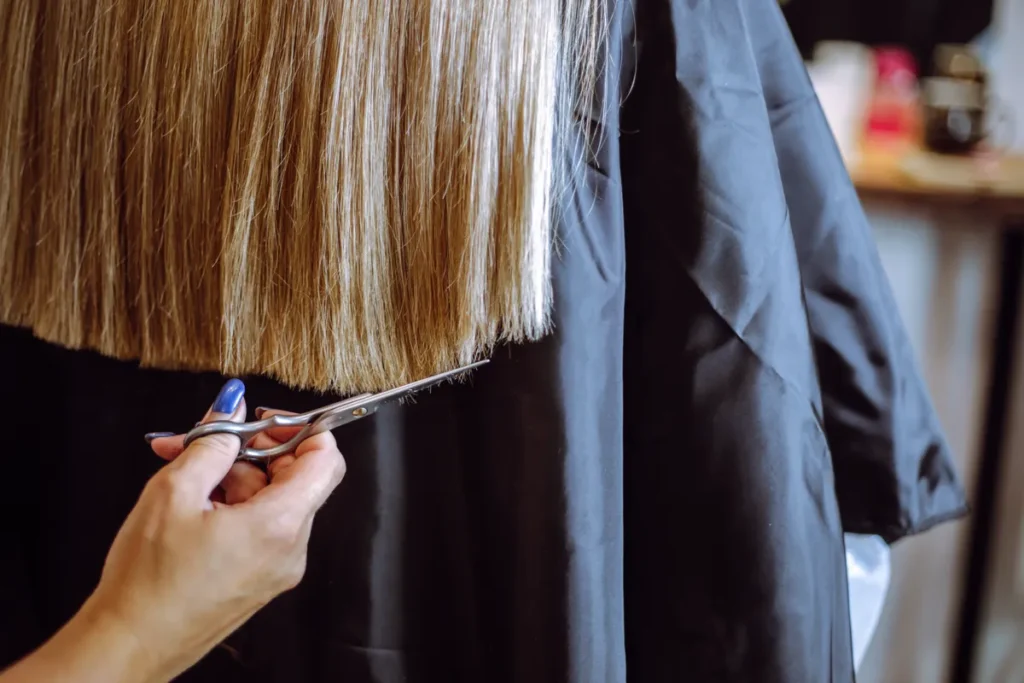
Not trimming your hair can harm its health. Split ends left uncut can damage your hair a lot over time.
How Damage Travels Up the Hair Shaft
Split ends don’t stay put; they move up the hair shaft if not fixed. Washing, brushing, or styling can stress your hair more, making splits worse and leading to breaks.
Proper care can slow down damage, but without trimming, it keeps getting worse. This can make your hair frizzy, brittle, and look uneven.
Key factors that contribute to the progression of damage include:
Mechanical stress from brushing or combing
Chemical damage from hair treatments or coloring
Thermal damage from using heat styling tools
The Truth About Hair Growth and Split Ends
Many think split ends slow down hair growth. But, hair grows from the scalp, and split ends don’t directly slow it down. Yet, if not treated, they can cause breaks, shortening your hair.
Even as your hair grows, the ends can break off, leading to little length gain. Getting regular trims helps keep your hair healthy and prevents too much breakage.
Timeline of Hair Deterioration Without Trimming
The time it takes for hair to deteriorate without trimming varies. It depends on your hair type, care, and styling habits. The longer you wait, the more damage you’ll see.
Initial Stage: In a few weeks to months, you might notice frizz and flyaways.
Moderate Damage: Without a trim for 6 months to a year, split ends will be more obvious, and breakage may start.
Advanced Damage: After a year or more, damage can be severe, causing a lot of breakage and a rough texture.
Getting regular trims is key to stopping this damage and keeping your hair healthy and vibrant.
Visual and Structural Changes in Neglected Hair
Not trimming your hair regularly can change how it looks and feels. Hair that’s not trimmed can get damaged, affecting its health and appearance.
Fairy Tale Ends and Uneven Appearance
Ignoring hair trims can cause “fairy tale ends.” This makes hair look frayed. Regular trimming keeps hair ends clean and prevents splits.
Without trims, hair can become uneven. This makes styling and managing hair hard. Uneven ends can also make hair look thinner and less healthy.
Impact on Overall Hair Length and Thickness
Not trimming hair can hurt its length and thickness. Split ends can move up the hair shaft, causing breakage. This makes growing long hair hard.
Also, neglecting trims can make hair seem thinner. Damaged ends can break easily, reducing hair thickness and volume.
Recommended Trimming Frequency for Healthy Hair
To keep hair healthy, trim it every 6 to 8 weeks. This removes damaged parts and stops splits from moving up the hair shaft. Most stylists say regular trims are key for strong, healthy hair.
Understanding the need for regular trims helps keep hair healthy and looking great.
Conclusion: Balancing Growth Goals with Hair Health
Keeping your hair healthy while trying to grow it longer can be tough. Regular trims are key to keeping your hair strong. So, is it bad to split your split ends? The answer is tied to the role of trimming in hair care.
Going too long without a trim, like 6 years, can cause serious damage. Split ends can move up the hair shaft, leading to breakage and frizz. So, yes, cutting your split ends is a good idea. Trimming is a simple way to keep your hair healthy and stop more damage.
Trimming might seem like it goes against growing your hair, but it actually helps. Adding regular trims to your routine can stop breakage. This way, you can reach your hair growth goals while keeping it healthy.
SSS
What happens if you don’t cut split ends?
Kırık uçları düzeltmezseniz, hasar saç teline kadar ilerleyerek daha fazla kırılmaya, kabarmaya ve daha ince görünen uçlara yol açabilir.
Should you cut split ends?
Yes, trimming split ends helps maintain healthy-looking hair and prevents further splitting and breakage.
Is it good to cut split ends?
Yes, removing split ends improves hair appearance, smoothness, and manageability.
Can your hair grow with dead ends?
Hair grows from the roots, so it will continue to grow even with split ends, but the ends may break off and reduce visible length retention.
Does cutting dead ends help hair grow?
Cutting dead ends doesn’t speed up growth, but it helps retain length by preventing breakage.
What happens if you never cut your hair?
Over time, untrimmed hair may become uneven, dry, and prone to splitting and breakage, especially at the ends.
Is it bad to split your split ends?
Yes, pulling apart split ends can cause further damage and worsen hair breakage.
Are you supposed to trim split ends?
Yes, regular trims are recommended to maintain hair health and prevent damage from spreading.
How often should you trim your hair to prevent split ends?
Most people should trim their hair every 8–12 weeks, depending on hair type, styling habits, and overall hair condition.
Referanslar
Ulusal Biyoteknoloji Bilgi Merkezi. Kanıta Dayalı Tıbbi Öngörü. Erişim adresi https://pmc.ncbi.nlm.nih.gov/articles/PMC11285785/**[1