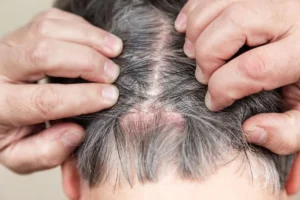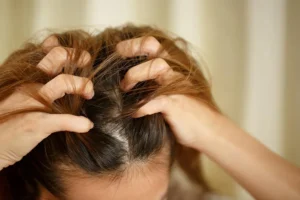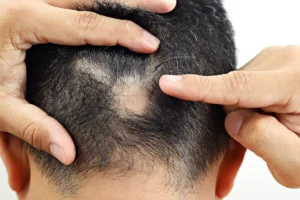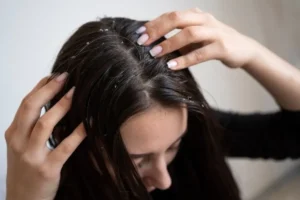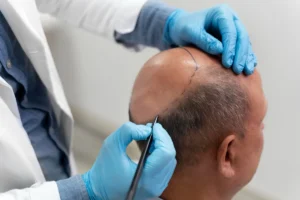

Seborrheic dermatitis is a common skin condition that affects millions. It causes discomfort and embarrassment. It’s known for flaky, white or yellowish scales, redness, and itching. It mainly hits the scalp but can also show up on other oily body parts. Find the best natural remedies for scalp dermatitis. Get amazing relief from itching and achieve a healthy scalp with these powerful tips.
Recent studies have found that natural approaches can help along with traditional treatments. Knowing what causes and triggers it helps people manage it better.
With the right mix of home remedies and lifestyle changes, you can ease seborrheic dermatitis symptoms. This guide looks at the best natural treatments you can do at home.
Önemli Çıkarımlar
Understanding seborrheic dermatitis causes and triggers is key to managing it well.
Natural methods can work alongside traditional treatments to ease symptoms.
Changing your lifestyle and using home remedies can greatly help symptoms.
With the right treatment, you can feel more confident again.
Combining home remedies with professional advice can lead to better results.
Understanding Seborrheic Dermatitis
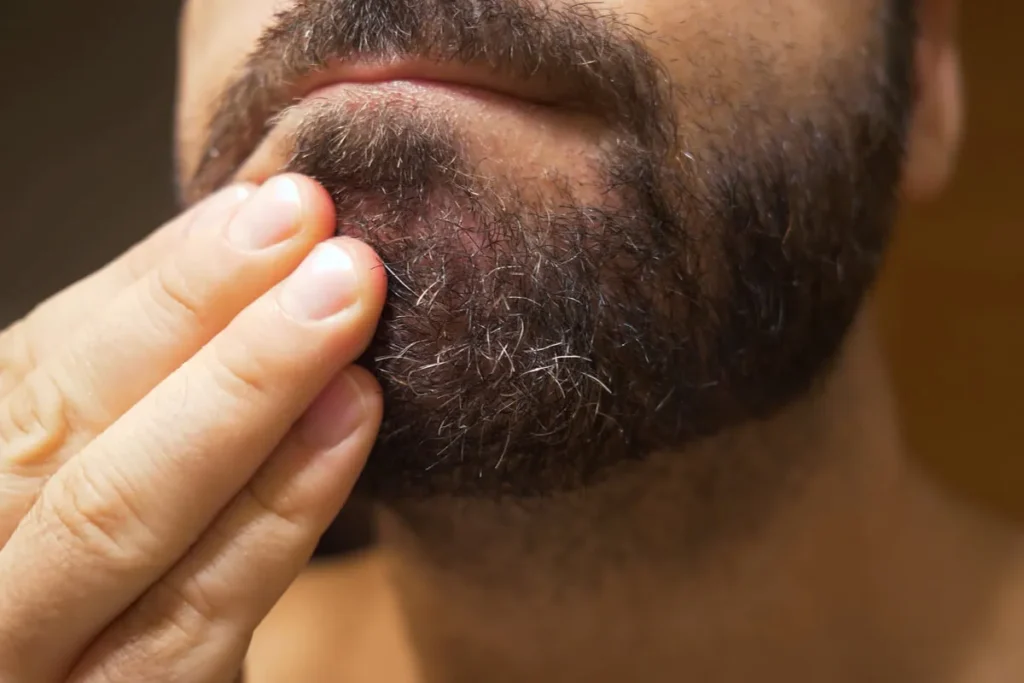
It’s important to know about seborrheic dermatitis to manage its symptoms. This common skin issue affects areas with lots of oil glands.
What Causes This Common Skin Condition
Seborrheic dermatitis comes from a mix of factors. These include genetics, hormonal changes, stress, and too much yeast called Malassezia. “The exact cause is not fully known,” says a dermatologist. “But an imbalance in the skin’s microbiome is thought to play a big role.”
The yeast Malassezia is important because it’s found on the skin. But when it grows too much, it can cause seborrheic dermatitis. Controlling this yeast is key to managing the condition.
Recognizing Symptoms and Affected Areas
Seborrheic dermatitis shows as flaky scales, redness, and itching. It mainly hits the scalp, face, and oily body parts. Spotting these signs is key for treatment.
It looks different on everyone, but often affects the scalp, eyebrows, and nose sides. In babies, it’s called cradle cap. “Spotting symptoms early helps manage it better and eases discomfort,” a healthcare expert notes.
Knowing the causes and symptoms helps start managing seborrheic dermatitis naturally and well.
Natural Remedies for Scalp Dermatitis
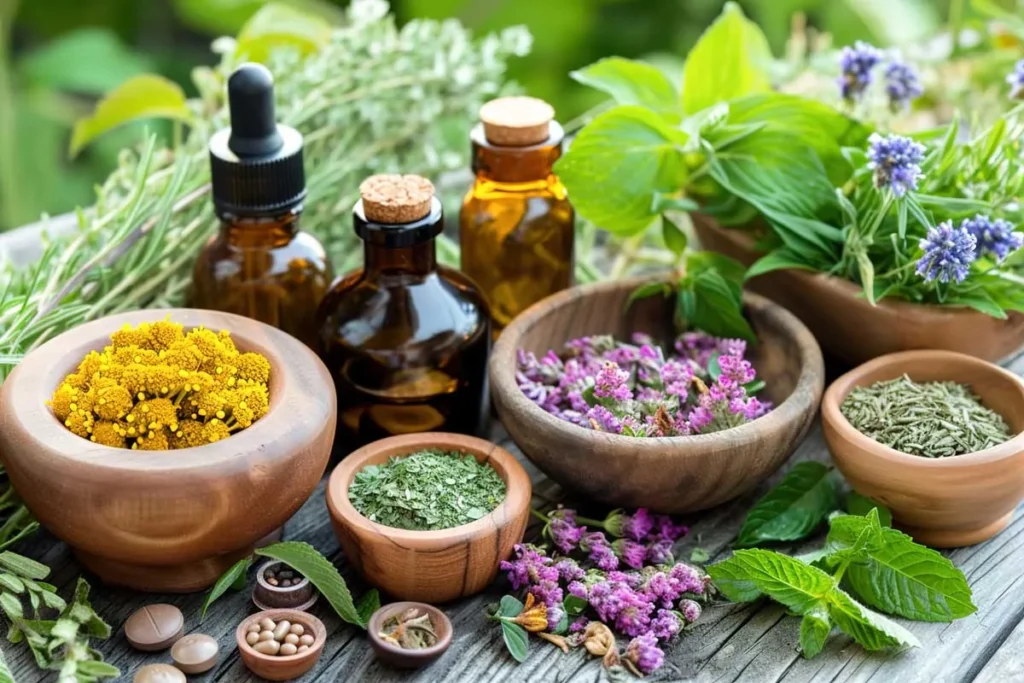
Recent studies show natural treatments can help manage scalp dermatitis. This is good news for those dealing with it. Seborrheic dermatitis, a common condition, can be tough to treat with just medicine. But, natural remedies are showing promise in easing its symptoms.
Topical Probiotics for Microbiome Balance
Keeping your scalp’s microbiome healthy is key to managing seborrheic dermatitis. Topical probiotics help by growing good bacteria. This reduces inflammation and itchiness. Studies say a balanced microbiome can greatly improve symptoms.
Tea Tree Oil Applications for Yeast Control
Tea tree oil fights yeast on the scalp, a big cause of seborrheic dermatitis. Adding it to your scalp care can lessen symptoms and stop outbreaks.
Aloe Vera Gel for Inflammation and Irritation
Aloe vera gel is great for calming irritation and reducing inflammation. Its cooling effect gives quick relief. It also helps heal the scalp over time.
Olive Oil and Its Squalene Benefits
Olive oil, full of squalene, protects the scalp and aids in healing. Squalene moisturizes, reducing flakiness and itchiness. Olive oil is a key part of treating seborrheic dermatitis naturally.
Sonuç
Managing seborrheic dermatitis needs a mix of natural remedies and lifestyle changes. Using treatments like topical probiotics, tea tree oil, aloe vera, and olive oil helps. Stress management and diet changes also play a big role.
A natural cure for seborrheic dermatitis focuses on treating the scalp and reducing inflammation. It’s about using natural treatments to balance the scalp’s microbiome. This way, people can take charge of their condition and get healthier skin.
With the right natural treatments and lifestyle changes, seborrheic dermatitis can be managed well. This approach helps reduce its impact on daily life. By managing the condition effectively, people can live better, without the discomforts of seborrheic dermatitis.
SSS
What are the primary causes of seborrheic dermatitis?
It is mainly linked to overgrowth of yeast called Malassezia (a fungus), excess sebum production, genetics, stress, cold weather, and weakened immunity.
What are the common symptoms of seborrheic dermatitis?
Red, inflamed skin, greasy yellow or white flakes, itching, scalp dandruff, and sometimes patches around the nose, eyebrows, or ears.
How can tea tree oil help in managing seborrheic dermatitis?
Tea tree oil has antifungal and anti-inflammatory properties that may reduce yeast growth and itching when diluted and used in shampoos.
What is the role of aloe vera in treating seborrheic dermatitis?
Aloe vera helps soothe inflammation, reduce redness, and moisturize irritated skin.
Can dietary changes help in managing seborrheic dermatitis?
Yes, reducing sugar and processed foods and increasing anti-inflammatory foods (vegetables, omega-3s) may help some people.
How do topical probiotics aid in managing seborrheic dermatitis?
They may help balance the skin microbiome, supporting healthy bacteria and reducing inflammation.
What are the benefits of using olive oil for seborrheic dermatitis?
Olive oil can soften and loosen scales, making them easier to remove, but it should be washed out properly to avoid buildup.
Are there any natural remedies that can provide long-term relief from seborrheic dermatitis?
Regular use of antifungal natural treatments (tea tree oil shampoo), stress management, gentle cleansing, and consistent scalp care may help control flare-ups.
How can I naturally treat seborrheic dermatitis on my scalp?
Use diluted tea tree oil shampoo, apply aloe vera gel, avoid harsh products, wash regularly, and manage stress.
What is the best natural treatment for seborrheic dermatitis?
A combination of antifungal care (like diluted tea tree oil), gentle cleansing, and consistent scalp hygiene is usually most effective naturally.
Referanslar
Ulusal Biyoteknoloji Bilgi Merkezi. Kanıta Dayalı Tıbbi Öngörü. Erişim adresi https://pmc.ncbi.nlm.nih.gov/articles/PMC9651010/