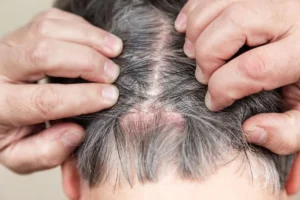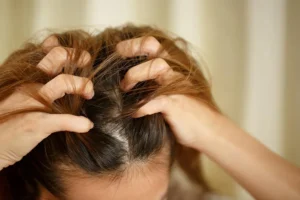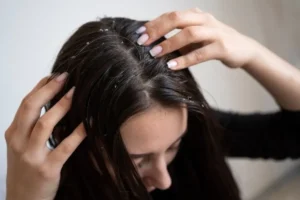
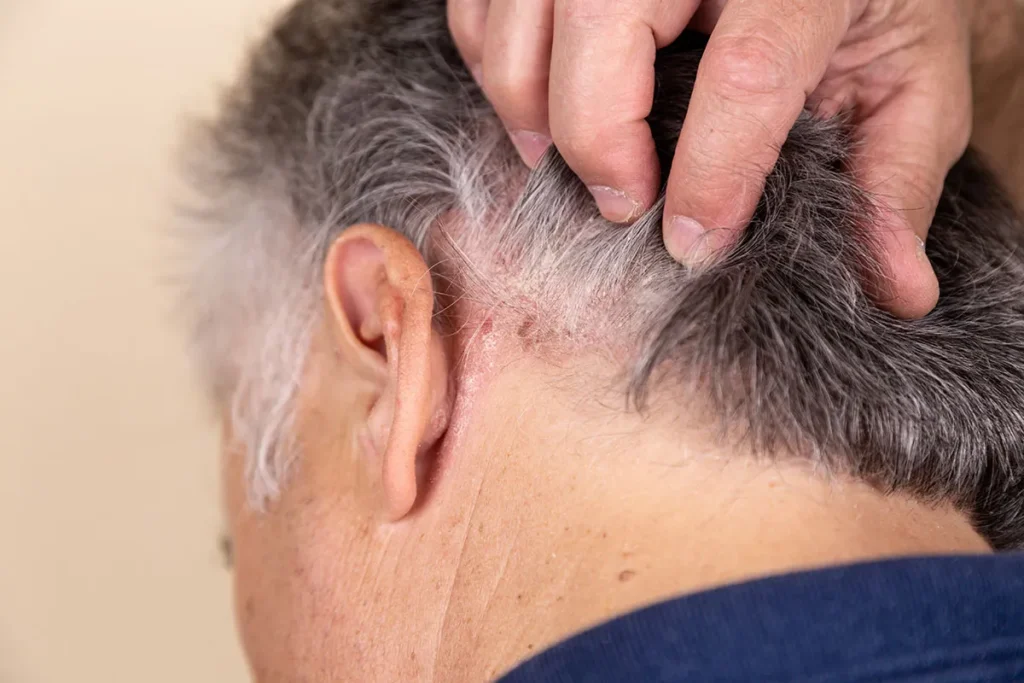
A scalp yeast infection can make you feel itchy and flaky. It affects millions of people around the world. This happens when Candida grows too much on your scalp, upsetting the skin’s balance.
It’s important to know what causes it, its symptoms, and how to treat it. For mild cases, you can use dandruff shampoos with selenium sulfide or zinc pyrithione.
At Gold City Hair, we use global medical knowledge and focus on you. We aim to help you beat scalp candida conditions. We offer treatments that are safe and fit your needs.
Önemli Çıkarımlar
Scalp yeast infections can cause itching, redness, and flaking.
Candida species proliferation disrupts the scalp’s skin flora balance.
Mild cases can be treated with over-the-counter dandruff shampoos.
Understanding symptoms and treatment options is key for managing it well.
Getting professional help can lead to a treatment plan made just for you.
Understanding Scalp Yeast Infection
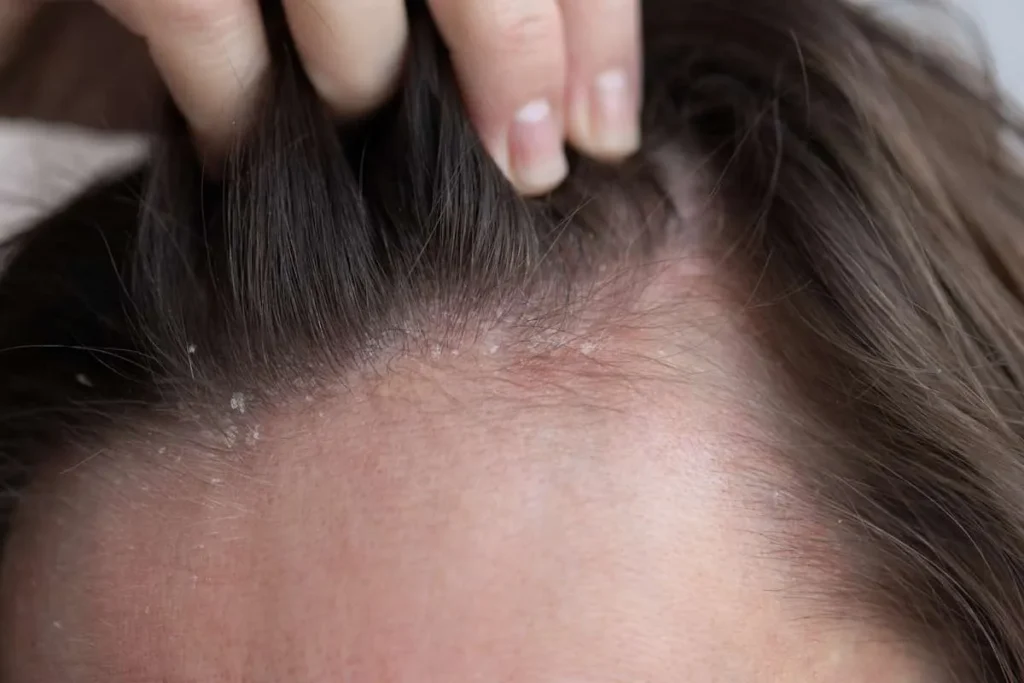
It’s important to know what causes scalp yeast infections to treat and prevent them well. These infections happen when yeast grows too much on the scalp. This leads to uncomfortable symptoms.
What Is Candida and How It Affects the Scalp
Candida albicans is a yeast that lives on our skin and in mucous membranes. But, it can grow too much and cause infections. On the scalp, this can lead to inflammation, itching, and flaking.
Candida on the scalp often means the scalp’s natural balance is off. Things like antibiotics, hormonal changes, and weak immunity can upset this balance. This lets Candida grow too much.
Common Causes and Risk Factors
Many things can lead to scalp yeast infections. These include:
Antibiotics can mess with the scalp’s natural balance.
Hormonal changes can affect the body’s natural flora.
Weaker immunity makes it hard to stop yeast from growing.
Poor scalp care can lead to oils and dirt buildup, helping yeast grow.
Knowing these risk factors helps prevent scalp yeast infections and manage their symptoms.
Recognizing Symptoms of Scalp Yeast Infection
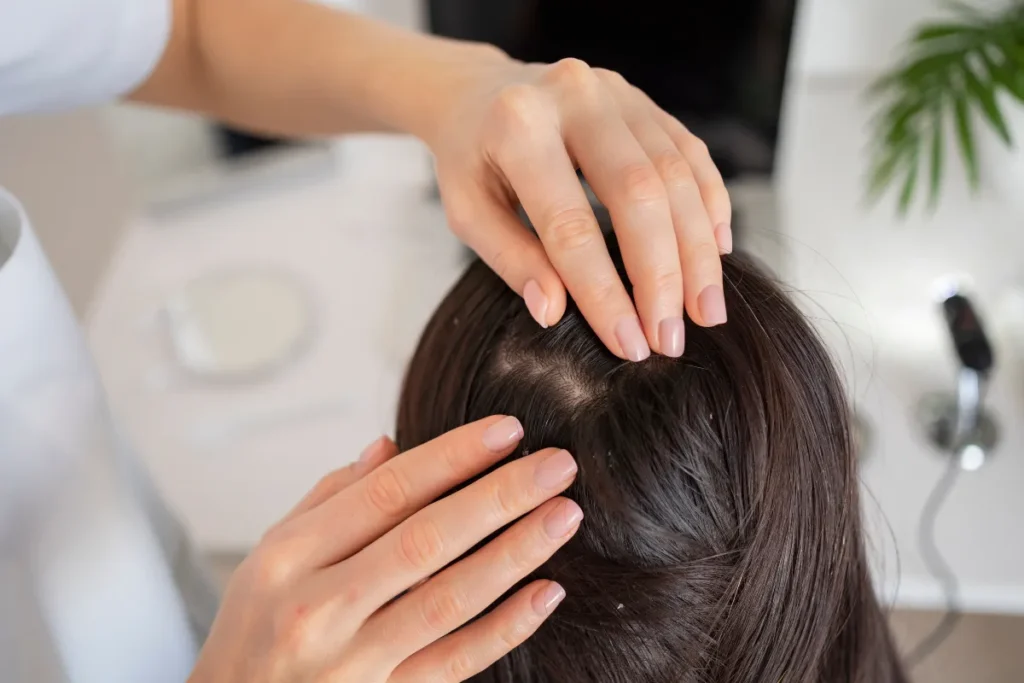
Spotting the signs of scalp yeast infection is key to getting better. This condition, linked to Candida, brings on several uncomfortable symptoms. Catching these signs early is vital for treating it right and avoiding more problems.
Primary Symptoms to Watch For
The main signs of scalp yeast infection are:
Itching and redness of the scalp
Flaking or scaling, which can be mistaken for dandruff
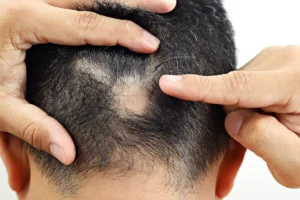
Hair loss in severe cases
Inflammation and irritation
These symptoms can be different in how bad they are. They might look like other scalp issues, making it hard to tell what’s wrong.
Diğer Saç Derisi Sorunlarından Ayırt Etme
Telling scalp yeast infection apart from other scalp problems is important for the right treatment. Issues like seborrheic dermatitis, psoriasis, and eczema can look similar. But, finding yeast overgrowth and how it reacts to antifungal treatments can help tell them apart.
Effective Treatment Options for Scalp Yeast Infection
To fight scalp yeast infections, knowing your treatment options is key. This includes topical and oral antifungal treatments. The right treatment depends on the infection’s severity and your health.
İlaçlı Şampuanlar ve Topikal Çözümler
For mild to moderate infections, medicated shampoos are a good start. They contain antifungal ingredients like ketoconazole or zinc pyrithione. These shampoos cut down fungal growth, ease symptoms, and stop the infection from spreading.
Ketoconazole shampoo is great against many fungi, including scalp yeast. It’s important to use it as directed and keep using it for the full treatment time.
Prescription Treatments
For severe or ongoing infections, prescription treatments are needed. Oral antifungals, like fluconazole, work by targeting the fungus inside the body.
Seeing a healthcare professional for a proper diagnosis is vital. They can prescribe the right medication and dosage for you.
Complementary Home Remedies
Medical treatments aren’t the only way to fight scalp yeast infections. Home remedies can also help. For instance, using tea tree oil on the scalp can slow fungal growth and soothe it.
Other remedies include using apple cider vinegar after shampooing to balance the scalp’s pH. But, always dilute these remedies and do a patch test to avoid any bad reactions.
Be patient when treating scalp yeast infections. It may take time to see results. Combining medical treatments with home remedies and keeping your scalp clean can help manage symptoms and prevent future infections.
Prevention and Long-Term Management
To prevent scalp yeast infection, you need to take several steps. Keeping your scalp clean and dry is key. Moisture can make the problem worse.
Good hygiene is essential for preventing scalp candida. Washing your hair with a gentle shampoo regularly helps. Also, avoid using too many antibiotics, as they can upset the scalp’s natural balance.
Making lifestyle changes can also help. Pay attention to what you eat, manage stress, and don’t overdo heat styling. These actions can help prevent yeast infections on the scalp.
Knowing what causes scalp yeast infections is important. By taking preventive steps, you can lower your risk. These steps help keep your scalp healthy and free from yeast.
SSS
What is scalp yeast infection, and how does it occur?
A scalp yeast infection is an overgrowth of fungi, usually Malassezia, on the scalp that disrupts its natural balance, often triggered by excess oil, moisture, or weakened immunity.
What are the common causes and risk factors for scalp yeast infection?
Causes include oily scalp, hormonal changes, high humidity, poor hygiene, weakened immune system, and use of heavy hair products; risk increases with diabetes or chronic skin conditions.
What are the primary symptoms of scalp yeast infection?
Symptoms include redness, itching, flaking, greasy or crusty patches, burning sensation, and sometimes an unpleasant odor.
How can I differentiate scalp yeast infection from other scalp conditions like seborrheic dermatitis?
Scalp yeast infection often has more intense itching, thick greasy scales, and sometimes hair loss, whereas seborrheic dermatitis may have milder flakes and less inflammation.
What are the treatment options available for scalp yeast infection?
Treatment usually involves antifungal shampoos containing ketoconazole, selenium sulfide, or zinc pyrithione, and in severe cases, oral antifungal medications prescribed by a doctor.
How can I prevent scalp yeast infection from recurring?
Maintain a clean, dry scalp, avoid excessive oil buildup, use medicated shampoos periodically, and manage underlying conditions like diabetes or dandruff.
Can scalp yeast infection cause hair loss, and is it reversible?
Yes, hair loss can occur due to inflammation, but it is usually reversible once the infection is effectively treated.
Are there any home remedies that can help manage scalp yeast infection?
Some remedies like diluted apple cider vinegar rinses, tea tree oil shampoos, or aloe vera may help reduce fungal growth, but they should complement, not replace, medical treatment.
How can I maintain good scalp hygiene to prevent scalp yeast infection?
Regular washing with antifungal or gentle shampoos, avoiding heavy hair products, keeping hair and scalp dry, and not sharing combs or hats can help prevent infection.
Referanslar
Ulusal Biyoteknoloji Bilgi Merkezi. Kanıta Dayalı Tıbbi Öngörü. Erişim adresi https://pmc.ncbi.nlm.nih.gov/articles/PMC6162762/