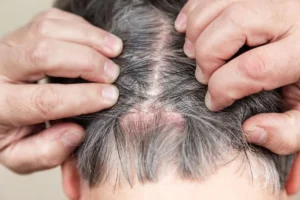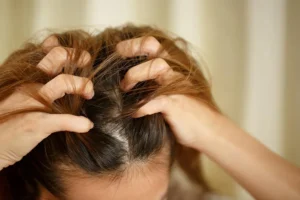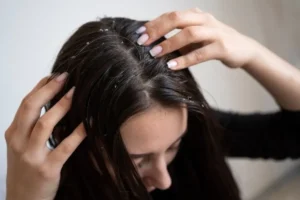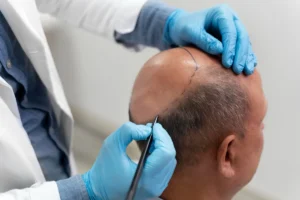
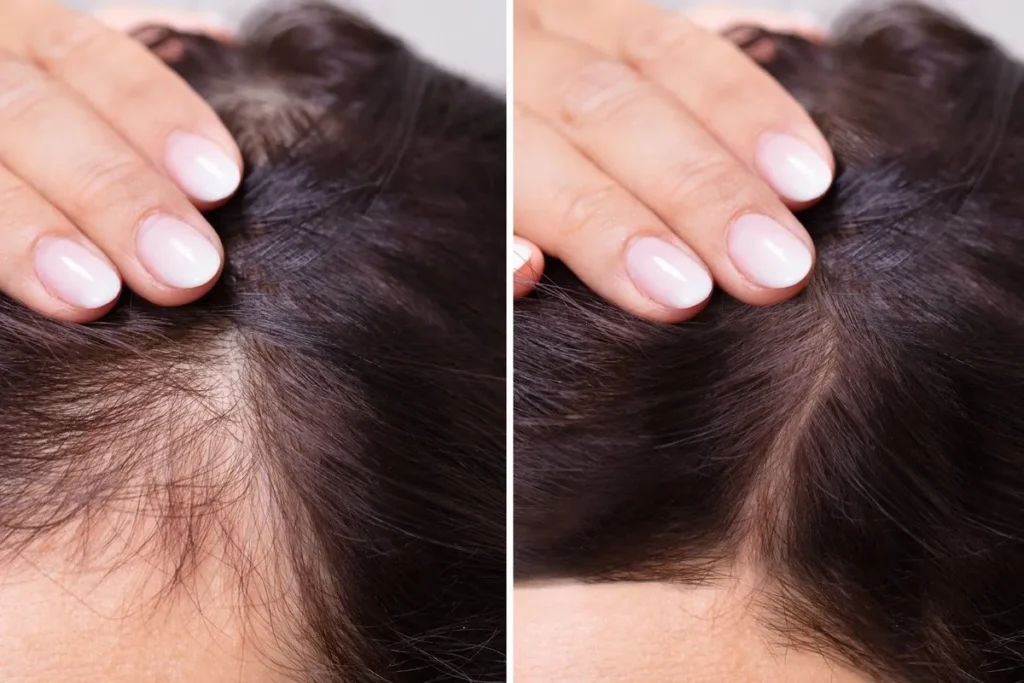
Recent studies have shown a clear link between chronic stress and hair disorders.
Millions face stress-related hair shedding yearly. This includes telogen effluvium and faster androgenetic alopecia.
Harvard University found out how stress hormones harm hair follicle stem cells. This leads to hair loss.
It’s important to understand how stress affects hair growth cycles.
Önemli Çıkarımlar
Chronic stress is linked to various types of hair loss.
Telogen effluvium and androgenetic alopecia are affected by stress.
Stress hormones disrupt hair follicle stem cells.
Research confirms the biological mechanisms behind stress-related hair loss.
Understanding these mechanisms is key to addressing hair loss.
The Science Behind Stress Hair Loss
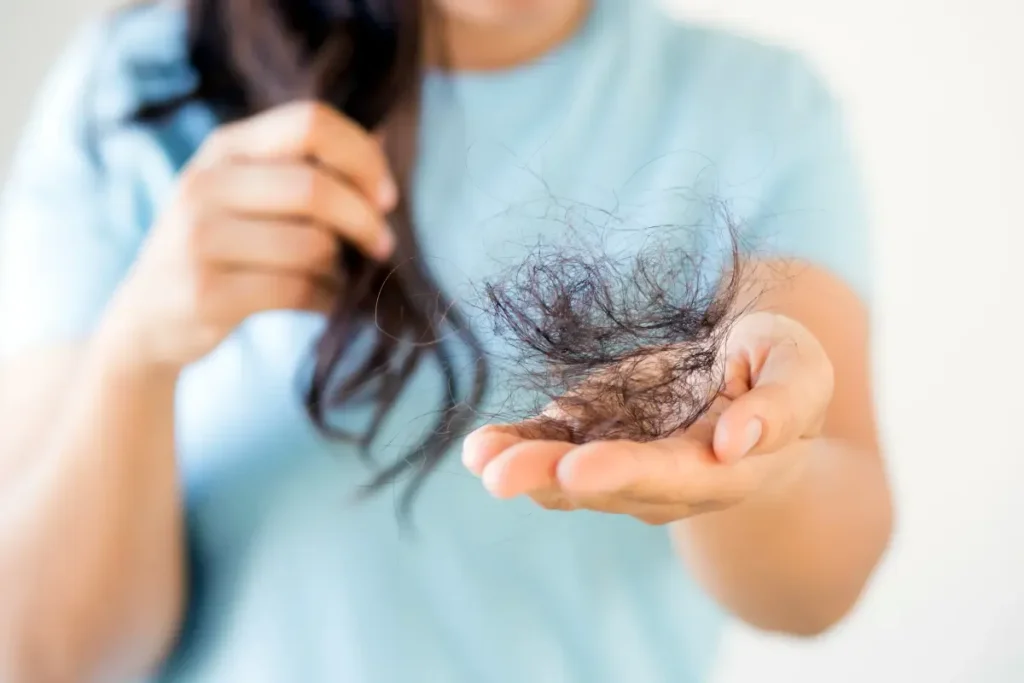
Stress and hair loss are linked by science, not just stories. Over 40% of people under stress see hair loss. This happens because stress hormones mess with hair growth cycles.
How Stress Affects Hair Growth Cycles
Hair grows in cycles: anagen (growth), catagen (transitional), and telogen (resting). Stress can push more hairs into the telogen phase. This leads to a lot of hair falling out, often after stressful times.
Stress can disrupt hair growth cycles. This is because stress makes the body release cortisol and other hormones. These changes can harm hair follicle stem cells, changing how hair grows.
Types of Hair Loss Associated with Stress
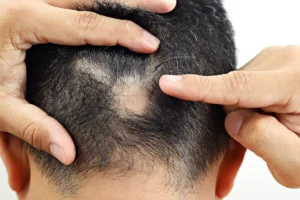
Stress can cause different hair loss types, like telogen effluvium and alopecia areata. Telogen effluvium means a lot of hair falls out after stress. Alopecia areata is an autoimmune issue that stress can make worse, causing patchy hair loss.
Knowing about these hair loss types is key to fighting stress-related hair loss. By understanding stress’s role, people can start to fix the problem.
Biological Mechanisms of Stress-Induced Hair Loss
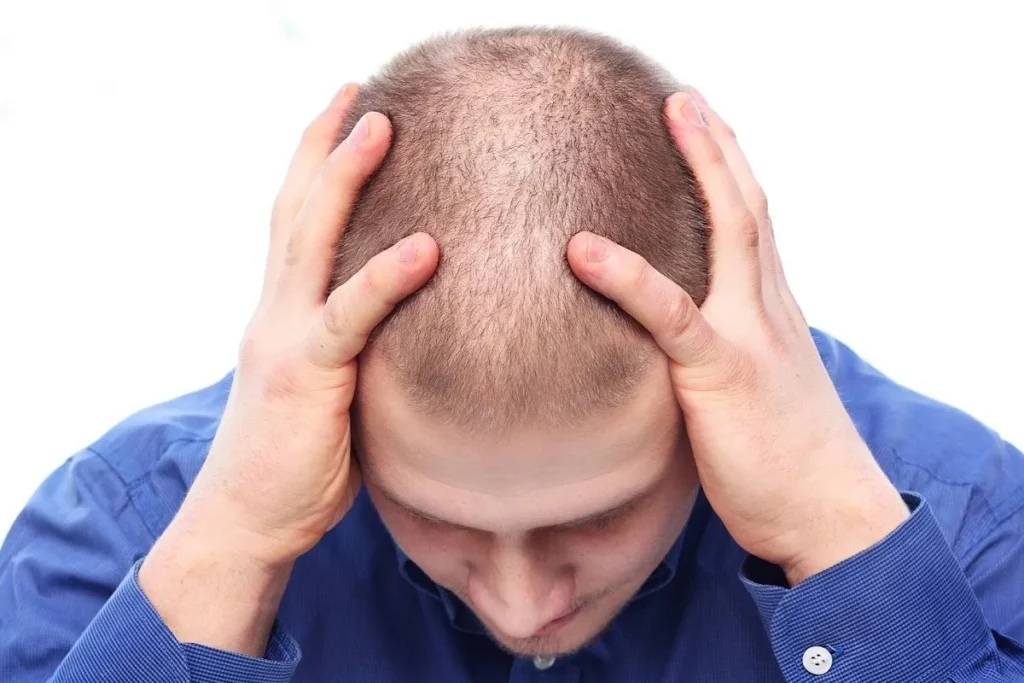
It’s important to know how stress affects hair loss. This condition involves many body processes. Understanding these is key to finding treatments.
Stress makes the body change hormones, which can stop hair from growing. Cortisol, a hormone, is released when we’re stressed. It comes from the adrenal gland.
The Role of Cortisol and Stress Hormones
Cortisol and other stress hormones mess with hair growth. Research shows they can harm hair follicle stem cells. Long-term stress can upset the body’s hormone balance, causing hair to fall out.
Harvard University found that stress hormones hurt dermal papilla cells. These cells are vital for hair growth. This can cause telogen effluvium, where more hair than usual falls out.
GAS6 Molecule and Hair Follicle Regeneration
The GAS6 molecule is important for hair growth. It helps control the hair cycle. Research on GAS6 and hair growth is promising for treating stress-induced hair loss.
Learning how stress affects GAS6 and hair growth is important. It helps in finding new treatments. The table below shows how stress affects hair loss.
Knowing how stress affects hair loss helps in finding better treatments. This knowledge can improve outcomes for those with stress-related hair loss.
Managing and Treating Stress-Related Hair Loss
To fight hair loss from stress, you need a plan that includes lifestyle changes and medical help. Stress hair loss is tough to beat, but the right steps can help. You can stop it and even grow new hair.
Effective Stress Management Techniques
Lowering stress is key to fighting hair loss. Yoga and meditation can help by reducing cortisol. Regular exercise and deep breathing also help reduce stress.
Eating right is also important. Foods rich in vitamin D and biotin support hair health. They help your hair follicles grow new hair.
Medical Interventions for Hair Restoration
If stress hair loss is severe, you might need medical help. Minoxidil can stimulate hair growth. PRP (platelet-rich plasma) therapy is also popular for its ability to grow hair by boosting follicles.
It’s also important to take care of your scalp gently. Use soft shampoos and avoid harsh chemicals. This helps prevent more hair loss and keeps your scalp healthy.
Sonuç
Recent studies have shown that stress can lead to hair loss. This highlights the complex link between stress and hair growth. Anxiety can disrupt the hair growth cycle, causing hair loss.
Managing stress-related hair loss needs a full approach. This includes both skin care and mental health support. This mix is key for diagnosing and treating stress hair effectively.
Understanding how stress affects hair loss is important. By managing stress, like through meditation and exercise, we can reduce hair loss. This helps improve our overall health.
In summary, the connection between stress and hair loss is clear. A holistic approach to managing stress and hair loss can help restore hair health. It also lowers the risk of future hair loss and stress.
SSS
Can Stress Really Cause Hair Loss?
Yes, chronic stress triggers telogen effluvium, where hair enters resting/shedding phase prematurely.
How Does Stress Affect Hair Growth Cycles?
Stress hormones like cortisol prolong telogen (resting) phase, delaying anagen (growth); stem cells stay dormant.
Role of Cortisol in Stress Hair Loss?
Cortisol (corticosterone equivalent) signals dermal papilla cells, inhibiting follicle stem cell activation via Gas6 pathway disruption.
Can Anxiety Cause Hair Loss?
Yes, elevates cortisol/CRH, inducing telogen effluvium or alopecia areata flares.
Effective Stress Management for Hair Loss?
Meditation, yoga, exercise reduce cortisol; scalp massage, sleep optimization aid regrowth.
Medical Interventions Available?
Can Stress Cause Baldness?
Triggers temporary thinning, not permanent MPB; chronic stress accelerates genetic patterns.
Managing Stress-Related Hair Loss?
Address stressor, supplement iron/zinc, use rosemary oil; minoxidil if persistent.
Stress Hair Loss Always Resolve?
Usually yes within 3-6 months post-stress; scarring alopecia rare exception.
Referanslar
Ulusal Biyoteknoloji Bilgi Merkezi. Kanıta Dayalı Tıbbi Öngörü. Erişim adresi https://pubmed.ncbi.nlm.nih.gov/33828222/