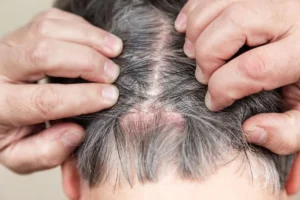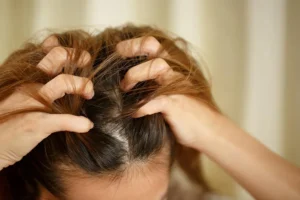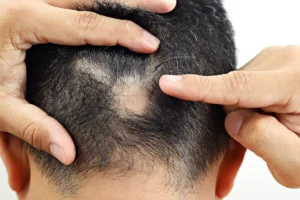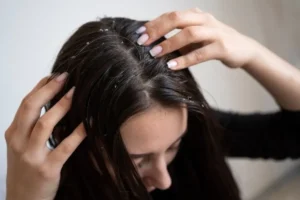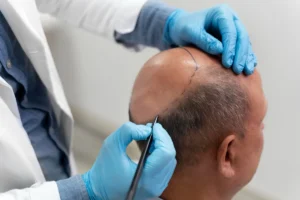
Do you feel pain when your hair touches your scalp or when you brush your face? Scalp allodynia and touch sensitivity are common, making everyday touches painful. This happens when normal touches cause pain because of changes in the brain.
It’s important to understand scalp allodynia to manage it well. Studies show many people feel this pain during migraine attacks. Knowing the causes and symptoms is the first step to feeling better and living fully.
Önemli Çıkarımlar
Scalp allodynia is a condition where non-painful stimuli cause pain.
It affects millions of people worldwide, often during migraine attacks.
Understanding the condition is key to proper management.
Managing scalp allodynia can significantly improve quality of life.
Expert guidance is available for those seeking to overcome this condition.
Understanding Scalp Allodynia and Touch Sensitivity
Scalp allodynia is a complex condition related to nerve pain. It makes everyday activities hard. People with this condition feel pain from touch or temperature changes that shouldn’t hurt.
What Is Scalp Allodynia?
Scalp allodynia makes even light touch or temperature changes hurt. It’s a form of nerve-related pain. This pain doesn’t come from an obvious injury but from how nerves handle sensory info.
Allodynia is when pain comes from something that usually doesn’t hurt. On the scalp, this means touching hair or feeling wind can cause pain.
Types of Touch Sensitivity
There are three main types of allodynia:
Tactile Allodynia: Pain from light touch or pressure.
Dynamic Allodynia: Pain from movement or brushing against the skin.
Thermal Allodynia: Pain from temperature changes.
Knowing these types helps in managing the condition. Recognizing the specific type of allodynia helps find relief.
Identifying triggers and types helps healthcare professionals tailor treatments. This provides relief to those affected.
Why the Top of Head Hurts to Touch: Causes and Mechanisms
When the top of your head hurts from touch, it might mean there’s something wrong that needs fixing. Scalp allodynia, or sensitivity to touch, can really affect how you live your life.
Central Sensitization Process
The central sensitization process is key in scalp allodynia. Central sensitization makes your nervous system more sensitive. This means even light touch can feel painful.
Central sensitization happens when your brain and spinal cord get too excited. This makes pain signals stronger. It can start from inflammation, nerve damage, or too much pain.
Connection to Migraines and Other Conditions
Migraines and other issues like occipital neuralgia can cause scalp pain. Migraines make you sensitive to light and sound. Sometimes, this sensitivity spreads to touch on the scalp.
The link between migraines and scalp allodynia is complex. It involves pain pathways in the brain. Knowing this helps in finding better ways to manage it.
Migraines can make your scalp more sensitive to touch.
Occipital neuralgia causes pain in nerves from the neck to the scalp.
Other issues, like tension headaches, can also make your scalp more sensitive.
Effective Management Strategies for Scalp Sensitivity
To ease scalp sensitivity, a mix of medical treatments, lifestyle changes, and self-care is key. These strategies help manage scalp sensitivity and boost overall health.
Medical Treatments and Interventions
Medical treatments are vital for scalp sensitivity. Topical medications and nerve blocks can offer relief. They aim to tackle the root causes of scalp pain.
At times, prescription medications are needed for underlying conditions. It’s important to talk to a doctor to find the right treatment.
Lifestyle Modifications
Making lifestyle changes is also important. Stress management techniques like meditation and yoga can help. They reduce stress, which can make scalp sensitivity worse.
Staying away from triggers is another key change. Knowing and avoiding things that make scalp sensitivity worse helps manage it better.
Self-Care Techniques for Immediate Relief
Self-care methods can offer quick relief. Gentle scalp massage is a simple yet effective way to ease tension and relax.
Using cool or warm compresses can also ease discomfort. These self-care steps can be used with medical treatments and lifestyle changes to better manage scalp sensitivity.
Sonuç
Managing scalp allodynia can greatly improve your life. It helps you feel more confident and change your life for the better. By understanding the condition and using a complete approach, you can get a lot of relief from scalp pain.
Dealing with scalp allodynia and touch sensitivity needs a plan that covers many areas. This plan should include medical help, lifestyle changes, and self-care. It not only helps with pain but also boosts your confidence, letting you manage your condition better.
Using these strategies can make a big difference. You’ll feel less touch sensitivity and pain on your scalp. This leads to a better overall life. With the right plan, you can find lasting relief and improve your quality of life.
SSS
What is scalp allodynia?
Scalp allodynia is a condition where normal touch (like brushing hair or wearing a hat) causes pain or burning on the scalp, even though there is no visible injury.
What are the types of allodynia?
Mechanical (pain from light touch), thermal (pain from mild heat or cold), and dynamic allodynia (pain from moving touch like brushing hair).
How does central sensitization contribute to scalp allodynia?
Central sensitization happens when the nervous system becomes over-responsive, amplifying pain signals so even mild scalp stimulation feels painful.
Can migraines cause scalp allodynia?
Yes, scalp allodynia is common in people with migraines, especially during or after migraine attacks.
What are the effective management strategies for scalp sensitivity?
Treat underlying migraine or nerve issues, use gentle hair care products, avoid tight hairstyles, manage stress, and consider medications prescribed for nerve pain.
How can I manage scalp allodynia and touch sensitivity?
Limit scalp stimulation, use soft brushes, avoid heat styling, practice stress reduction, and follow medical advice if symptoms persist.
What is dynamic allodynia?
Dynamic allodynia is pain caused by light moving touch, such as combing hair or wearing a scarf.
Can stress trigger scalp allodynia?
Yes, stress can increase nerve sensitivity and trigger or worsen scalp pain, especially in people prone to migraines.
Are there any self-care techniques for immediate relief from scalp allodynia?
Apply a cool compress, rest in a dark quiet room (if migraine-related), gently massage surrounding neck muscles, practice deep breathing, and avoid further scalp stimulation.
Referanslar
Ulusal Biyoteknoloji Bilgi Merkezi. Kanıta Dayalı Tıbbi Öngörü. Erişim adresi https://pubmed.ncbi.nlm.nih.gov/10805338/