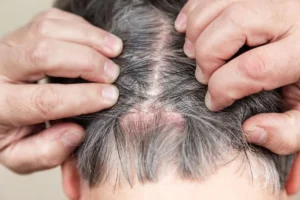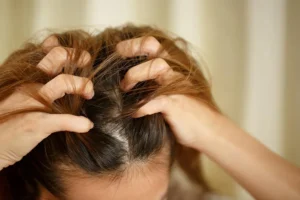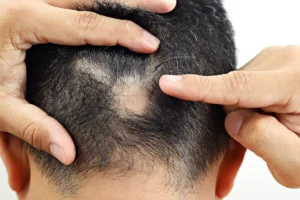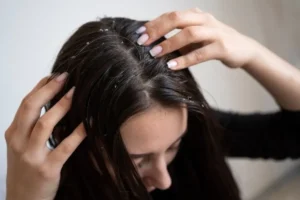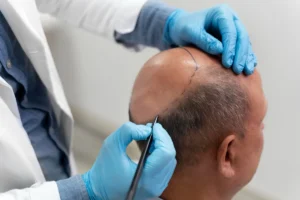

Dandruff is a common scalp condition where dead skin cells flake off too much. It bothers about 50 percent of adults worldwide, causing discomfort and embarrassment. At Gold City Hair, we know how much dandruff can affect someone’s life.
Our team is dedicated to helping you manage dandruff. Dandruff is a mild form of seborrheic dermatitis. Knowing what causes it is key to treating it well. We use the latest research to guide our prevention and treatment plans, focusing on you.
Önemli Çıkarımlar
Dandruff affects a significant portion of the global adult population.
It is a mild form of seborrheic dermatitis.
Understanding its causes is key to managing it well.
Gentle, regular shampooing can help with mild dandruff.
Using evidence-based guidance is vital for effective treatment.
What Is Dandruff: Understanding the Common Scalp Condition
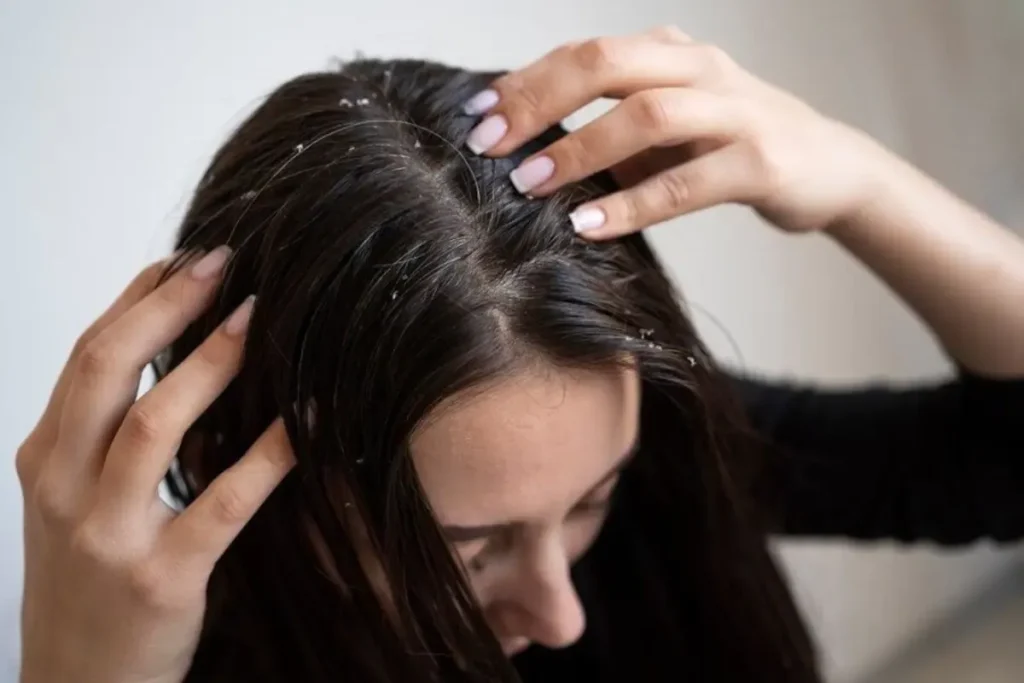
Dandruff is a common scalp issue that many people face. It causes discomfort and can also affect a person’s mood. Knowing about dandruff is key for those dealing with it.
Definition and Prevalence
Dandruff is a long-term scalp problem that shows up as dead skin flakes. It’s not because of bad hygiene or because it spreads. The reasons for dandruff are complex, including scalp sensitivity, stress, and the environment.
Prevalence of dandruff is high, affecting people of all ages, but more adults. Things like the weather, hair care, and health can make it worse.
Symptoms and Characteristics
The main sign of dandruff is white or yellow flakes on the scalp, hair, eyebrows, or shoulders. An itchy scalp is another common problem. Symptoms can get worse with stress or in cold, dry weather.
Characteristics of dandruff include its long-term nature and how it can vary. Some people have mild flaking, while others face more severe issues that affect their daily life.
Debunking Common Myths
Many think dandruff comes from not washing hair enough. But, it’s not about how often you wash your hair. Another myth is that dandruff spreads. It doesn’t. Knowing these truths can help people feel less worried and find better ways to handle it.
By understanding what dandruff really is, people can find good treatments and make changes in their life. This can help manage symptoms and improve their daily life.
The Science Behind Dandruff: Causes and Contributing Factors

To fight dandruff, we must understand what causes it. It’s not just about looks; it’s a complex issue. Factors like genetics, oil glands, and scalp balance play a big role.
Biological Factors
Genetics and oil glands are key in dandruff. Some people are more likely to get it because of their genes. Oil glands help certain scalp bugs grow.
Sebaceous gland secretions are full of oils. These oils feed scalp bugs, causing irritation and flaking. This is why some people get dandruff more than others.
The Role of Microorganisms
Microorganisms, like Malassezia globosa, are important in dandruff. Malassezia globosa eats scalp oils, making compounds that irritate and flake.
Bacteria like Staphylococcus capitis are also found more on dandruff scalps. They might play a part in the condition.
Knowing how biology and bugs work together is key to treating dandruff. By tackling the causes, we can manage it better and improve our lives.
Effective Dandruff Management: Prevention and Treatment Options
To fight dandruff, you need a plan that includes daily hair care, special shampoos, and lifestyle changes.
Daily Hair Care Practices
Keeping your scalp clean is key to managing dandruff. Wash your hair with a gentle shampoo to remove flakes and prevent irritation. Also, gently massage your scalp while shampooing to loosen flakes and boost blood flow.
Tips for Daily Hair Care:
Choose a gentle, non-abrasive shampoo that fits your scalp type.
Use cool or warm water instead of hot water to keep your scalp’s natural oils.
Massage your scalp gently while shampooing.
Use fewer styling products to avoid buildup on your scalp.
Anti-Dandruff Shampoos and Ingredients
Anti-dandruff shampoos are vital in treating dandruff. They contain ingredients that control flaking, reduce inflammation, and fight fungal infections that cause dandruff.
Key Ingredients to Look For:
Zinc pyrithione: It has antifungal and antibacterial properties.
Ketoconazole: An antifungal agent that fights various fungi.
Salicylic acid: It helps remove scales and reduces inflammation.
Coal tar: It slows down skin cell death and flaking.
Lifestyle Adjustments
Changing your lifestyle can also help manage dandruff. Stress can make dandruff worse, so managing it is important. Regular exercise, a balanced diet, and enough sleep can improve scalp health.
Ne Zaman Profesyonel Yardım Alınmalı?
If dandruff doesn’t get better with shampoos and lifestyle changes, see a dermatologist. They can diagnose and suggest treatments like prescription shampoos or other therapies.
Sonuç
Knowing what dandruff is and why it happens is key to managing it. Dandruff is a common scalp issue that affects many people. By spotting the signs, you can start to fight it.
Managing dandruff means taking care of your hair every day, using special shampoos, and changing your lifestyle. With the right treatment, you can lessen dandruff’s effects on your life. Learning about dandruff helps you pick the best treatments.
Getting a healthier scalp is possible with the right knowledge and plans. By using a personalized approach to fight dandruff, you can live without its discomforts. Understanding dandruff and how to manage it gives you the power to care for your scalp.
SSS
What is dandruff?
Dandruff is a common scalp condition characterized by the shedding of dead skin cells in the form of white or yellowish flakes, often accompanied by itching. It occurs when the natural process of skin cell renewal on the scalp accelerates, causing cells to clump together and become visible to the naked eye. While it is not usually a serious medical concern, it can be a chronic issue for many people and often requires consistent management to keep the flaking under control.
What causes dandruff?
The most common cause of dandruff is an overgrowth of a yeast-like fungus called Malassezia, which thrives on the natural oils produced by your scalp. When this fungus grows too rapidly, it irritates the skin and triggers an accelerated production of skin cells. Other factors include oily skin, sensitivity to certain hair care products, or environmental triggers like cold, dry weather that can dehydrate the scalp and lead to irritation.
Is dandruff contagious?
Dandruff is absolutely not contagious and cannot be passed from one person to another through physical contact or by sharing hairbrushes and hats. It is an individual biological response to skin oils and fungi that are already present on everyone’s scalp. Whether or not someone develops flakes depends entirely on their own skin sensitivity and the specific balance of their scalp’s microbiome.
How can I prevent dandruff?
Preventing dandruff involves maintaining a clean and balanced scalp environment by washing regularly to prevent the buildup of oils and dead skin cells. You should avoid the excessive use of heavy styling products like waxes and oils, which can trap fungi against the skin and exacerbate irritation. Additionally, managing stress levels and protecting your scalp from extreme weather conditions can help prevent the inflammatory responses that lead to flaking.
What are the best shampoos for dandruff?
The most effective shampoos for dandruff contain active antifungal or exfoliating ingredients such as zinc pyrithione, selenium sulfide, ketoconazole, or salicylic acid. Zinc pyrithione and ketoconazole target the fungus directly, while salicylic acid helps to break down and remove existing scale buildup. For the best results, these shampoos should be massaged into the scalp and left to sit for three to five minutes before being thoroughly rinsed away.
Can dandruff be a sign of an underlying health issue?
While most dandruff is a simple skin issue, persistent or severe flaking can sometimes be a sign of underlying conditions like seborrheic dermatitis, psoriasis, or eczema. In some cases, a significant increase in dandruff has been linked to immune system fluctuations or neurological conditions like Parkinson’s disease. If your dandruff does not respond to over-the-counter treatments, it is worth consulting a professional to ensure there isn’t a more complex systemic cause.
How often should I wash my hair to manage dandruff?
To manage dandruff effectively, most experts recommend washing your hair every day or every other day with a gentle cleanser or a medicated shampoo. Frequent washing is necessary because it removes the excess sebum and dead skin cells that provide food for the dandruff-causing fungus. If you have very dry or curly hair, you may need to find a balance that cleanses the scalp without stripping the hair strands of essential moisture.
Can stress trigger dandruff?
Stress is a well-known trigger for dandruff because it spikes cortisol levels, which can increase the production of scalp oils and weaken your immune system. When your defenses are down, your scalp becomes less capable of regulating the growth of Malassezia, leading to more frequent and severe flare-ups. Incorporating stress-reduction techniques into your daily routine can often lead to a noticeable improvement in the health of your scalp.
Is dandruff related to poor hygiene?
Dandruff is not caused by poor hygiene, and having flakes does not mean that a person is unclean. It is primarily a biological and genetic condition driven by oil production and fungal activity rather than a lack of washing. However, not washing frequently enough can allow the buildup of oils and skin cells to become more apparent, making an existing dandruff condition look more severe than it actually is.
Can I treat dandruff at home?
Most cases of dandruff can be successfully managed at home using over-the-counter medicated shampoos and simple changes to your grooming routine. Natural remedies like tea tree oil or apple cider vinegar rinses are also popular for their antimicrobial and pH-balancing properties, although they are generally less potent than pharmaceutical options. If home treatments fail to show improvement after a month of consistent use, it is best to seek a professional diagnosis.
Referanslar
Ulusal Biyoteknoloji Bilgi Merkezi. Kanıta Dayalı Tıbbi Öngörü. Erişim adresi https://pmc.ncbi.nlm.nih.gov/articles/PMC3129121/