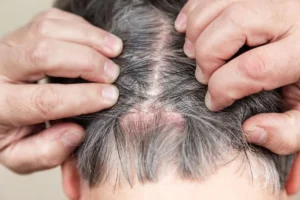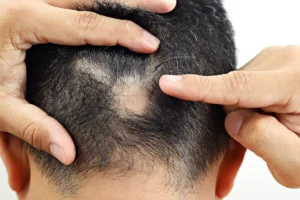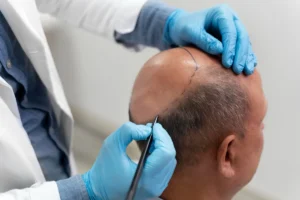

Hair loss affects millions globally, impacting both men and women. By 35, two-thirds of American men notice hair loss. By 50, up to 85% of men see significant thinning. Women also face hair loss, with over 55 million Americans dealing with it.
Wondering who to see for hair loss? Get expert advice on the best specialists and incredible tests to find the root cause of your thinning hair.
Hair loss is more than a cosmetic issue. It shows our body’s health. Seeing a doctor early can stop hair loss from getting worse. Board-certified dermatologists have the skills and tools to find and treat the cause of your hair loss.
Önemli Çıkarımlar
Consult a board-certified dermatologist for hair loss treatment.
Early intervention can prevent further hair thinning.
Dermatologists offer advanced diagnostic tools and evidence-based treatments.
Hair loss is often a sign of underlying health issues.
Specialized care can help regain confidence and achieve dream hair.
Understanding Hair Loss: Causes and Prevalence
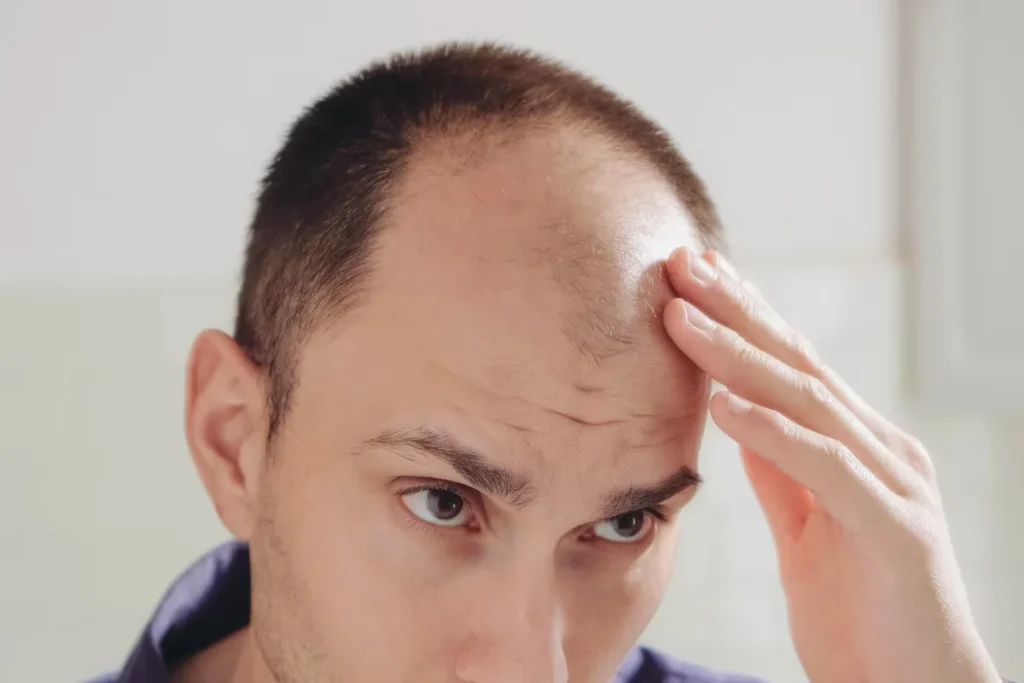
Hair loss is more than a cosmetic issue. It affects people emotionally and psychologically. Regaining your confidence starts with understanding the causes and how common it is.
Yaygın Saç Dökülmesi Türleri
Hair loss comes in different forms, each with its own causes and signs. The most common types include:
Androgenetic Alopecia: Also known as male/female pattern baldness, this is the most common form, often related to genetics and hormonal changes.
Telogen Effluvium: A condition characterized by excessive hair shedding, usually triggered by stress, medical conditions, or significant weight loss.
Alopecia Areata: An autoimmune condition that causes patchy hair loss, which can be unpredictable and vary in severity.
Traction Alopecia: Hair loss caused by constant pulling on the hair follicles, often due to tight hairstyles.
Scarring Alopecia: A group of rare disorders that destroy hair follicles, leading to permanent hair loss.
Knowing these types is key to finding the right treatment. Whether it’s seeing a dermatologist for thinning hair or looking into dermatology hair loss treatment options.
Statistics on Hair Loss in America
Hair loss is common in America. Here are some statistics:
Approximately 50 million men and 30 million women in the United States experience some form of hair loss.
By age 35, about two-thirds of American men will have some degree of hair loss.
Women are more likely to experience hair loss after menopause, with a significant increase in incidence.
These numbers show how common hair loss is. They highlight the need for effective dermatologist for hair regrowth solutions. Modern techniques, such as DHI and Sapphire FUE, offer promising results, focusing on maximum coverage and dense, natural results.
By understanding hair loss, people can start their journey to dreaming of hair that is now a reality. Talking to a specialist can lead to tailored solutions and step-by-step guidance towards regaining hair and confidence.
Who to See for Hair Loss: Medical Specialists and What to Expect
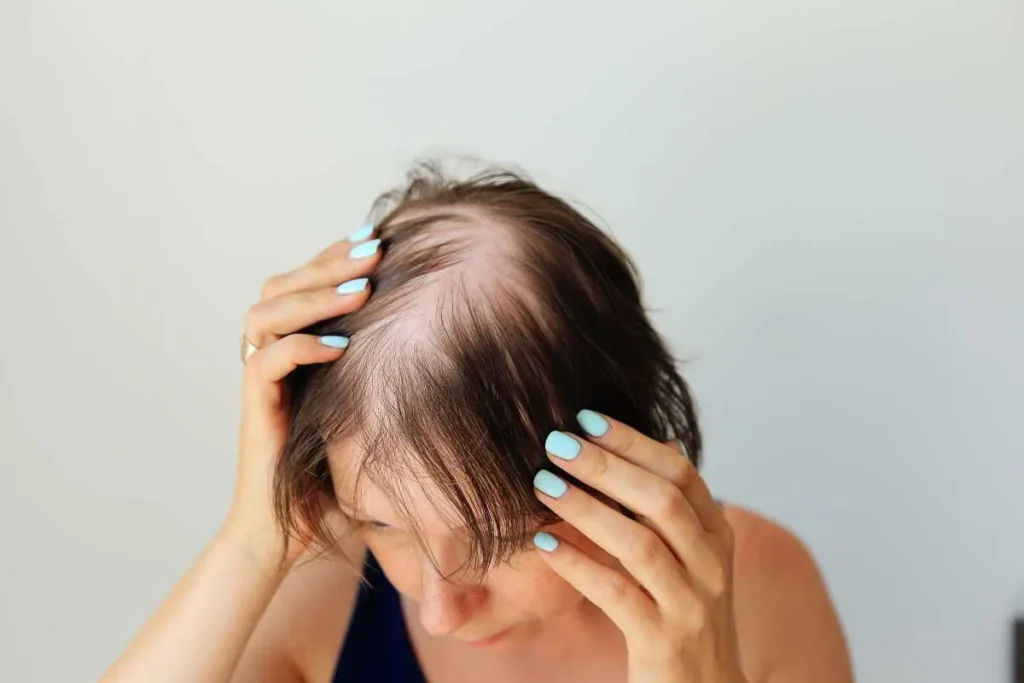
When you’re dealing with hair loss, finding the right doctor is key. Hair loss can stem from genetics, hormonal shifts, or medical conditions. Knowing who to see can help you tackle the problem more effectively.
Dermatologists: The Primary Hair Loss Specialists
Dermatologists focus on skin, hair, and nails. They know a lot about hair loss causes and how to treat them. They can find out why you’re losing hair and suggest the best treatment.
Expert Consultation: Start by seeing a dermatologist for hair loss. They’ll look at your scalp, talk about your health history, and might do tests to find the cause.
Other Medical Professionals Who Treat Hair Loss
While dermatologists are the main hair loss experts, others can help too. These include:
Endocrinologists for hormonal hair loss issues.
Primary care doctors for initial advice and referrals.
Diagnostic Procedures for Hair Loss
Dermatologists use several tests to find hair loss causes. These include:
Treatment Options Available
There are many treatments for hair loss, depending on the cause. These include:
Topical treatments to boost hair growth.
Oral meds for underlying causes.
Surgical options like hair transplantation for lasting results.
Regain your confidence with the right treatment plan. By talking to a dermatologist or other specialists, you can start addressing your hair loss and reach your goals.
Sonuç
Understanding why hair falls out is key to finding a cure. A dermatologist can create a treatment plan just for you. This plan is based on your specific needs.
For thinning hair, a dermatologist’s help is priceless. They have many options. These ensure great results with little discomfort.
If you’re a woman losing hair, finding the right doctor is important. A dermatologist can help you understand and treat your hair loss. They guide you from start to finish, helping you achieve permanent, natural hair.
Choosing a dermatologist for hair loss treatment offers many benefits. You get the latest technology and pain-free methods. Plus, you get clear, step-by-step advice. This not only brings back your hair but also boosts your confidence, making your dream hair a reality.
SSS
What doctor specializes in hair loss?
A dermatologist is the medical specialist who focuses on hair, scalp, and skin conditions, including hair loss.
Do dermatologists deal with hair loss?
Yes, dermatologists diagnose, treat, and manage various types of hair loss, from pattern baldness to autoimmune or scalp-related conditions.
What type of doctor treats hair loss?
Hair loss is primarily treated by dermatologists, and in some cases, endocrinologists or trichologists may be consulted for hormonal or specialized scalp issues.
What do dermatologists do for hair loss?
Dermatologists assess the cause of hair loss, run tests if needed, recommend medical treatments like minoxidil or finasteride, perform procedures such as PRP, and guide hair restoration options.
Can a dermatologist help with hair regrowth?
Yes, dermatologists can prescribe medications, suggest topical or oral treatments, and perform therapies like PRP or laser therapy to stimulate regrowth, depending on the type of hair loss.
What can I expect during a consultation for hair loss?
You’ll have a scalp and hair examination, discussion of medical history, hair pull tests, possible blood tests, and a treatment plan tailored to your hair loss type and severity.
Are there different types of hair loss treatments available?
Yes, treatments include topical solutions, oral medications, PRP therapy, low-level laser therapy, hair transplants, and lifestyle or nutritional interventions.
Can hair loss be treated permanently?
Some hair loss, like pattern baldness, can be slowed or partially restored, but permanent reversal is limited. Hair transplants provide long-lasting results for stable areas.
How do I choose the right dermatologist for hair loss treatment?
Look for a dermatologist who specializes in hair disorders, has experience with hair restoration techniques, offers personalized treatment plans, and has positive patient reviews or before-and-after results.
Referanslar
Ulusal Biyoteknoloji Bilgi Merkezi. Kanıta Dayalı Tıbbi Öngörü. Erişim adresi https://pubmed.ncbi.nlm.nih.gov/15692464/