Hair growing back after chemo is a common concern for many cancer survivors. While the experience varies from person to person, most patients notice a gradual return of hair within months of completing treatment. This article explains the typical timeline, the factors that affect hair regrowth, and practical ways to support healthy growth.
According to oncology studies, about 80% of patients see noticeable hair return within the first six months post‑treatment. However, the texture, color, and thickness may differ from the original hair. Recognizing what to expect can reduce anxiety and help you plan appropriate care.
We will explore the biological processes behind chemotherapy‑induced hair loss, outline steps you can take during recovery, and discuss when professional hair restoration might be a suitable option.
Typical Timeline for Hair Regrowth After Chemotherapy
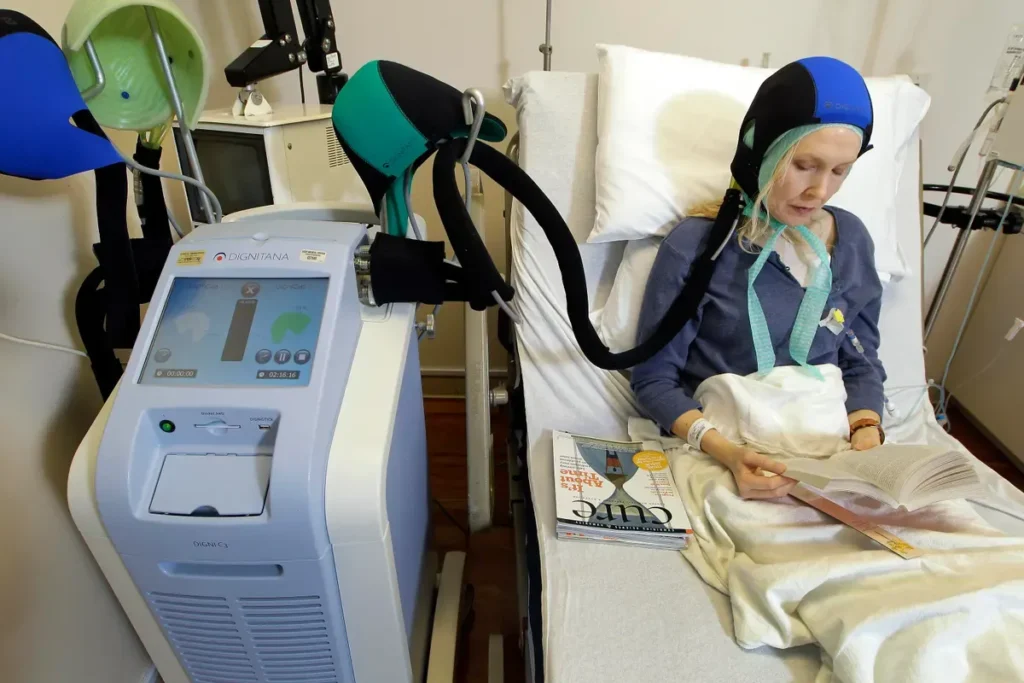
By the 2‑ to 3‑month mark, these fine hairs typically thicken and become more pigmented. Around the 4‑month point, many individuals report a noticeable improvement in density, although the hair may still be softer than before treatment.
Full regrowth, resembling pre‑treatment thickness and texture, generally occurs between 6 and 12 months. Some patients experience lingering differences in curl pattern or color, a phenomenon often described as “chemo curls.”
Below is a concise overview of the typical stages:
| Time After Treatment | Hair Appearance |
|---|---|
| 0–4 weeks | Fine, downy hairs (peach fuzz) |
| 1–3 months | Gradual thickening, emerging color |
| 4–6 months | Increased density, softer texture |
| 6–12 months | Near‑full regrowth, possible texture changes |
It is important to remember that individual timelines can vary widely based on the type of chemotherapy, dosage, and personal health factors.
Factors That Influence Hair Regrowth Speed
Several variables determine how quickly hair returns after treatment. Understanding these can help you set realistic expectations and adopt supportive habits.
Type and intensity of chemotherapy – Agents that target rapidly dividing cells, such as alkylating agents, often cause more extensive hair loss, leading to a longer regrowth period. In contrast, newer targeted therapies may result in milder loss.
Age – Younger patients typically experience faster regrowth because their hair follicles are more resilient.
Overall health and nutrition – Adequate protein, vitamins (especially B‑complex, vitamin D, and zinc), and hydration are essential for follicle recovery.
Genetik – Your family’s hair growth patterns can influence how your hair rebounds after chemotherapy.
Below is a quick reference list of the most impactful factors:
- Chemotherapy regimen (type and dosage)
- Patient’s age and hormonal status
- Nutrition and supplement intake
- Pre‑existing scalp conditions (e.g., alopecia areata)
- Stress levels and overall mental well‑being
While you cannot change the chemotherapy protocol, you can optimize the modifiable factors—particularly nutrition and stress management—to encourage smoother regrowth.
Supporting Hair Health During and After Treatment
Proactive care can make a meaningful difference in the quality of hair that grows back. Below are evidence‑based strategies to nurture your scalp and follicles.
Scalp massage – Light, daily scalp massage stimulates blood flow, delivering nutrients to hair follicles. Use gentle circular motions for 3–5 minutes each day.
Gentle cleansing – Choose sulfate‑free, pH‑balanced shampoos. Avoid harsh chemicals, heat styling, and tight hairstyles that can stress fragile new growth.
Beslenme – Incorporate lean proteins, omega‑3 fatty acids (found in fish and flaxseed), and antioxidant‑rich fruits and vegetables. Supplements such as biotin, collagen peptides, and SAM‑e have shown promise in supporting hair health, though you should consult your oncologist before adding any new supplement.
Stress reduction – Mind‑body practices like meditation, yoga, or guided breathing can lower cortisol, a hormone that may impede hair follicle activity.
Here is a simple weekly care checklist:
| Day | Activity | Purpose |
|---|---|---|
| Monday | Scalp massage (3 min) | Boost circulation |
| Tuesday | Protein‑rich meal | Supply building blocks |
| Wednesday | Gentle shampoo | Clean without stripping |
| Thursday | Yoga or meditation (20 min) | Reduce stress hormones |
| Friday | Omega‑3 supplement | Anti‑inflammatory support |
| Weekend | Rest, hydration, light activity | Overall recovery |
Adopting these habits can improve the texture and speed of hair regrowth after chemo, helping you feel more confident as your hair returns.
When to Seek Professional Hair Restoration Options
For some survivors, natural regrowth may be incomplete, uneven, or unsatisfactory after 12 months. In such cases, professional hair restoration can be a viable solution.
Hair transplant techniques like Follicular Unit Extraction (FUE) and Direct Hair Implantation (DHI) have been successfully used to restore density in patients who have completed chemotherapy and have stable health markers.
Key considerations before pursuing a transplant include:
- Completion of chemotherapy and any radiation therapy at least 12 months prior
- Absence of active scalp infections or ongoing dermatologic conditions
- Stable blood counts and overall good health
- Realistic expectations about results and maintenance
Consulting with a certified hair restoration specialist can provide a personalized plan that aligns with your medical history and aesthetic goals. Many clinics, including those in Turkey, offer comprehensive packages that combine pre‑operative assessments, the procedure, and post‑operative care.
If you are considering this route, ask about the surgeon’s experience with post‑chemotherapy patients, the expected graft survival rate, and the recommended post‑procedure scalp care regimen.
Common Myths About Hair Regrowth Post‑Chemo
Misunderstandings can cause unnecessary worry. Let’s clarify a few prevalent myths.
Myth 1: Hair will never look the same. While texture changes are possible, many patients report that their hair returns to its original appearance within a year.
Myth 2: Shaving the head speeds up regrowth. Cutting hair short does not influence follicle activity; it merely makes the growing hair appear denser.
Myth 3: All hair loss is permanent. Chemotherapy‑induced loss is usually temporary. Permanent loss is rare and more often linked to radiation therapy or specific drug regimens.
Understanding the facts helps you focus on supportive actions rather than unfounded fears.
Why Choose Gold City Hair
Gold City Hair combines cutting‑edge transplant techniques with a compassionate, patient‑first approach. Since 2017, our team has delivered personalized hair restoration solutions—including FUE, DHI, and eyebrow or beard transplants—tailored to each individual’s needs. We prioritize transparent communication, ensuring you understand every step of the process, from initial consultation to post‑procedure care. Trust our expertise to help you regain confidence and a natural‑looking hairline.
Ready to explore your hair restoration options? Contact Gold City Hair today for a personalized assessment and take the first step toward renewed confidence.
Our specialists are here to guide you through every stage of the journey—schedule your consultation now.
SSS
How long does it take for hair to grow back after chemotherapy?
Most patients see noticeable hair return within 3‑4 weeks, with full regrowth typically occurring between 6 and 12 months.
What factors influence the speed of hair regrowth after chemo?
Key factors include the chemotherapy regimen, age, nutrition, genetics, and overall health.
What are the best practices to support hair health during and after chemotherapy?
Gentle scalp massage, sulfate‑free shampoos, balanced nutrition, and stress‑reduction techniques are recommended.
When should someone consider professional hair restoration after chemotherapy?
If natural regrowth is incomplete or unsatisfactory after 12 months, a hair transplant may be considered.
Are common myths about hair regrowth after chemo true?
No; myths such as shaving speeding regrowth or permanent loss are false.





