When you search for a laser light comb for hair loss, you’re looking for a non‑invasive way to stimulate hair growth and improve scalp health. This article explains the science behind the device, compares it with other treatments, and guides you on selecting a reliable model. According to recent surveys, more than 30% of men and women experiencing early‑stage thinning have tried low‑level light therapy as part of their regimen.
Understanding how light interacts with hair follicles can empower you to make informed decisions about your hair restoration journey. We’ll explore the mechanisms of photobiomodulation, discuss realistic expectations, and show how a laser comb fits into a broader hair‑loss strategy.
By the end of this guide, you’ll know whether a laser light comb aligns with your goals, how to use it safely, and why partnering with an experienced clinic like Gold City Hair can enhance your results.
How Laser Light Comb Technology Works
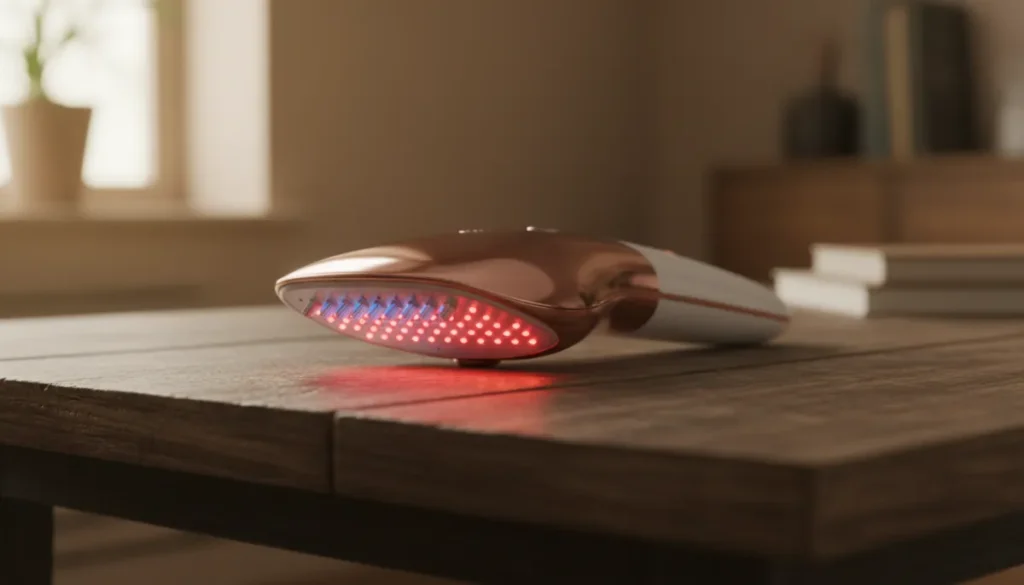
The core principle behind a laser light comb is photobiomodulation, also known as low‑level light therapy (LLLT). When the device emits red or near‑infrared light—typically in the 630‑670 nm range—the photons penetrate the scalp and are absorbed by the mitochondria within hair‑follicle cells. This absorption boosts cellular metabolism, increases ATP production, and triggers the release of growth factors that promote the anagen (growth) phase of hair.
Key mechanisms include:
- Enhanced blood flow delivering oxygen and nutrients to follicles.
- Reduction of inflammation that can impede hair growth.
- Stimulation of stem cells in the bulge region of the follicle.
Research on red light therapy for hair loss shows measurable increases in hair density after 12‑24 weeks of consistent use, typically 3‑4 sessions per week lasting 8‑15 minutes each.
Unlike high‑power lasers used for cutting or ablation, the low‑energy output of a comb is safe for at‑home use, provided the user follows the manufacturer’s guidelines.
Benefits and Limitations Compared to Other Treatments
When evaluating a laser light comb, it’s essential to compare its efficacy, cost, and convenience with alternative options such as topical minoxidil, oral finasteride, and surgical hair transplantation.
| Aspect | Laser Light Comb | Topical Minoxidil | Oral Finasteride | Hair Transplant (FUE/DHI) |
|---|---|---|---|---|
| Mechanism | Photobiomodulation (LLLT) | Vasodilation and follicle stimulation | DHT inhibition | Permanent follicle relocation |
| Invasiveness | Non‑invasive, at‑home | Topical application | Oral medication | Surgical procedure |
| Typical Cost (USD) | $200‑$800 (one‑time) | $30‑$50 per month | $70‑$120 per month | $3,000‑$10,000 per session |
| Side Effects | Minimal; occasional scalp irritation | Scalp itching, dermatitis | Sexual dysfunction, mood changes | Pain, swelling, scarring |
| Evidence Level | Moderate; several RCTs show benefit | High; FDA‑approved | High; FDA‑approved | Very high; gold standard for advanced loss |
While the comb offers a low‑risk, low‑maintenance option, its results are generally modest compared with surgical transplantation. Users often report a gradual thickening rather than dramatic regrowth. Combining the comb with proven medical therapies can amplify outcomes, especially in the early stages of thinning.
Choosing the Right Device: Features to Look For
Not all laser combs are created equal. When selecting a device, focus on the following criteria to ensure safety and effectiveness.
- Wavelength: Devices emitting light in the 630‑670 nm range are most studied for hair growth.
- Power Density (mW/cm²): Adequate power ensures sufficient photon delivery; look for products with FDA clearance or CE marking.
- Number of Diodes: More diodes typically mean broader coverage and shorter treatment times.
- Battery Life & Charging: A long‑lasting battery supports consistent use without frequent recharging.
- Ergonomic Design: Comfortable grip and easy glide reduce user fatigue.
Additionally, consider accessories such as a protective cap for the scalp and an included usage guide. Some brands provide a mobile app to track sessions, which can help maintain the recommended frequency.
Beware of “miracle” claims that promise hair regrowth within weeks. Credible manufacturers back their products with clinical data and transparent safety information.
Integrating Laser Comb Use with Professional Hair Restoration
For many patients, a laser light comb is not a standalone solution but a complementary tool within a broader hair‑restoration plan. Clinics like Gold City Hair often recommend a multimodal approach that includes surgical techniques (FUE, DHI) alongside at‑home therapies.
Here’s how a typical integration might look:
- Pre‑Transplant Phase: Use the comb 3‑4 times weekly for 12 weeks to improve scalp vascularity and reduce inflammation, creating a healthier environment for grafts.
- Post‑Transplant Maintenance: After the initial healing period (about 2 weeks), resume low‑level light sessions to accelerate graft survival and stimulate existing follicles.
- Ongoing Care: Continue regular comb use as a maintenance routine, especially if you have diffuse thinning beyond the transplanted area.
Combining red light therapy with proven medical treatments can also reduce the required dosage of medications, potentially minimizing side effects. Always discuss any at‑home device with your surgeon to ensure compatibility with your individualized plan.
Real‑World Results: What Studies and Users Say
Clinical evidence supports the efficacy of low‑level light devices. A 2014 randomized controlled trial involving 100 participants using a 655 nm laser comb reported a 23% increase in hair density after 24 weeks compared with a sham device.
Beyond studies, user testimonials often highlight the following trends:
- Gradual thickening after 3‑4 months of consistent use.
- Improved scalp comfort and reduced itching.
- Ease of incorporation into daily grooming routines.
It’s important to set realistic expectations: the comb works best for individuals with early‑stage thinning or those maintaining transplanted grafts. Those with extensive baldness may see limited benefit and should consider surgical options.
When evaluating personal experiences, look for reports that mention treatment frequency, duration, and any side effects. Consistency is the most common predictor of success.
Why Choose Gold City Hair
Gold City Hair has been a trusted hair‑restoration center in Turkey since 2017, offering personalized treatment plans that combine surgical expertise with cutting‑edge non‑surgical technologies. Our team of certified specialists ensures transparent communication, thorough pre‑procedure screening, and post‑treatment support. By integrating proven methods such as FUE, DHI, and adjunctive low‑level light therapy, we help patients achieve natural, lasting results while preserving confidence.
Ready to explore how a laser light comb can boost your hair‑restoration journey? Contact Gold City Hair today for a personalized consultation and discover the best combination of treatments for your unique needs.
SSS
How does a laser light comb work for hair loss?
It uses low‑level red or near‑infrared light to stimulate cellular activity in hair‑follicle cells, promoting the growth phase.
What are the benefits of using a laser light comb compared to minoxidil or finasteride?
The comb is non‑invasive, has minimal side effects, and can be used alongside medications for added benefit.
How long does it take to see results with a laser light comb?
Most users notice gradual thickening after 3‑4 months of consistent use.
Are there any side effects or risks associated with laser light combs?
Side effects are rare and usually limited to mild scalp irritation.
Can a laser light comb be used together with hair transplant procedures?
Yes, it can be used before and after transplant to improve vascularity and graft survival.
What features should I look for when buying a laser light comb?
Focus on wavelength (630‑670 nm), power density, diode count, battery life, and FDA/CE clearance.