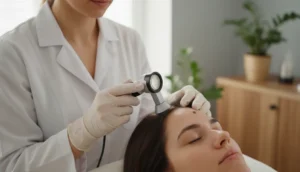
Hair serum for thin hair has become a popular addition to daily grooming routines, offering a non‑invasive way to add density and vitality to fine strands. Whether you’re noticing gradual thinning or dealing with patchy areas, the right serum can support the scalp, strengthen follicles, and create the illusion of fuller hair. In fact, studies show that up to 40 % of people experiencing early‑stage hair loss report visible improvement after consistent use of targeted serums.
This article explores how serums work, which ingredients deliver real results, and how to incorporate them into a holistic hair‑care plan. We’ll also compare over‑the‑counter options and explain when a professional hair restoration procedure may be the next logical step.
By the end, you’ll have a clear roadmap for selecting a serum that matches your hair type, lifestyle, and confidence goals.
Understanding Thin Hair and How Serums Work
Thin hair can stem from genetics, hormonal shifts, nutritional deficiencies, or environmental stressors. When follicles receive insufficient nutrients or become inflamed, the hair shaft produced is finer and more fragile. A well‑formulated serum delivers active compounds directly to the scalp, bypassing the barrier of the skin and providing a concentrated boost where it’s needed most.
Most serums act as scalp serum carriers, allowing ingredients such as peptides, antioxidants, and vasodilators to penetrate the dermal layer. This targeted delivery can:
- Stimulate micro‑circulation, bringing oxygen and nutrients to hair follicles.
- Reduce inflammation that contributes to follicle miniaturization.
- Supply building blocks (like amino acids) that support keratin production.
Because serums are lightweight and non‑greasy, they can be layered under styling products without weighing hair down—a crucial factor for those with fine textures.
| Serum Type | Key Mechanism | Typical Ingredients |
|---|---|---|
| Peptide‑Based | Signals cells to enter growth phase | Biotinoyl Tripeptide‑1, Copper Peptide |
| Minoxidil‑Infused | Vasodilation & follicle stimulation | Minoxidil 2 % |
| Natural‑Extract | Antioxidant protection & scalp soothing | Rosemary, Saw Palmetto, Green Tea |
Key Ingredients to Look for in an Effective Hair Serum
Choosing a serum isn’t just about brand reputation; it’s about the science behind each component. Below are the most researched ingredients that consistently appear in the best hair growth serum formulas.
- Peptides – Short chains of amino acids that communicate with follicular cells, encouraging them to stay in the anagen (growth) phase.
- Caffeine – A vasodilator that improves blood flow to the scalp, delivering more oxygen and nutrients.
- Biotin (Vitamin B7) – Supports keratin infrastructure and reduces breakage.
- Niacinamide (Vitamin B3) – Enhances micro‑circulation and strengthens the skin barrier.
- Procapil – A blend of biotinyl‑GHK, oleanolic acid, and apigenin that targets follicle health.
- Minoxidil – Clinically proven to extend the growth phase; often found in higher‑strength serums for severe thinning.
- Natural extracts – Rosemary, peppermint, and saw palmetto provide anti‑inflammatory benefits and may block DHT formation.
When evaluating a product, check the concentration list. For example, peptide concentrations above 5 % and caffeine levels of 0.5 % are typical for clinically effective formulas.
How to Apply Hair Serum for Maximum Benefits
Even the most potent serum will underperform if applied incorrectly. Follow these evidence‑based steps to ensure optimal absorption and results.
- Start with a clean scalp – Wash hair with a gentle, sulfate‑free shampoo and towel‑dry until slightly damp.
- Measure the dose – Most serums recommend 1‑2 ml per application; use the dropper or pump provided.
- Target the roots – Part the hair in sections and apply directly onto the scalp, focusing on thinning zones.
- Massage gently – Use circular motions for 2‑3 minutes to stimulate blood flow and help the serum penetrate.
- Allow to dry – Wait 5‑10 minutes before styling or applying additional products.
- Consistency is key – Use the serum twice daily for at least 12 weeks to see measurable changes.
For those with colored or chemically treated hair, choose a serum labeled as safe for dyed hair to avoid fading. Pairing the serum with a lightweight conditioner can lock in moisture without reducing efficacy.
Top Over‑the‑Counter Hair Serums Recommended for Thin Hair
Below is a curated list of serums that have earned positive reviews from both consumers and dermatologists. While individual results vary, each product contains at least two of the key ingredients highlighted earlier.
| Product | Key Ingredient(s) | Price Range (USD) |
|---|---|---|
| Revita Hair Growth Serum | Peptide Complex, Caffeine, Biotin | $45‑$55 |
| The Ordinary Multi‑Peptide Serum for Hair Density | Copper Peptide, Biotinoyl Tripeptide‑1 | $10‑$12 |
| Nioxin Scalp Therapy Serum | Niacinamide, Antioxidants, Herbal Extracts | $30‑$38 |
| Kerastase Genesis Serum | Pro‑Capa, Vitamin E, Argan Oil | $70‑$85 |
| Minoxidil 5 % Serum (Generic) | Minoxidil 5 % | $20‑$30 |
When selecting a serum, consider your budget, any sensitivities, and whether you prefer a fragrance‑free formula. Many users report best results when combining a serum with a healthy diet rich in protein, omega‑3 fatty acids, and iron.
When to Consider Professional Treatments Beyond Serums
Serums are an excellent first line of defense, but they may not fully address advanced hair loss caused by genetic alopecia or extensive follicle damage. In such cases, professional interventions can deliver lasting density.
- FUE (Follicular Unit Extraction) – Individual follicles are harvested from a donor area and transplanted to thinning zones, offering natural‑looking results.
- DHI (Direct Hair Implantation) – Similar to FUE but uses a pen‑like device for faster implantation and higher graft survival.
- PRP (Platelet‑Rich Plasma) – Autologous plasma rich in growth factors is injected into the scalp to stimulate dormant follicles.
- Scalp Micropigmentation – Cosmetic tattooing that creates the appearance of denser hair, ideal for those seeking a non‑surgical visual solution.
Consulting with a certified hair restoration specialist can help you determine whether a serum‑only regimen, a combined approach, or a surgical solution best fits your goals. Early intervention often yields the most natural outcomes.
Why Choose Gold City Hair
Gold City Hair has been delivering personalized hair restoration solutions in Turkey since 2017. Our team combines the latest FUE and DHI techniques with transparent communication, ensuring each patient receives a treatment plan tailored to their unique hair loss pattern. Whether you are exploring serums, medical therapies, or surgical transplantation, we provide a supportive environment focused on restoring confidence and natural‑looking results.
Ready to transform thin hair into a fuller, healthier look? Contact Gold City Hair today to schedule a free consultation and discover the most effective treatment path for you.
Take the first step toward renewed confidence—our experts are here to guide you every step of the way.
FAQ
What is a hair serum and how does it work for thin hair?
A hair serum is a lightweight, non‑greasy formula applied to the scalp that delivers active ingredients directly to hair follicles, stimulating growth and adding volume.
Which ingredients are most effective in hair serums for thinning hair?
Peptides, caffeine, biotin, niacinamide, Procapil, minoxidil, and natural extracts like rosemary and saw palmetto are the top‑performing ingredients.
How should I apply a hair serum to get the best results?
Apply to a clean, slightly damp scalp, measure 1‑2 ml, target the roots, massage gently for 2‑3 minutes, and let dry before styling.
Can over‑the‑counter hair serums replace professional hair restoration treatments?
OTC serums are a good first step for mild thinning, but advanced loss may still require professional options like FUE, DHI, or PRP.
What are the signs that I need professional hair restoration beyond serums?
Rapid thinning, visible scalp, receding hairline, or lack of improvement after 12 weeks of consistent serum use indicate a need for professional care.