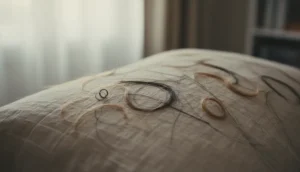
Managing post chemo hair concerns is a common challenge for many cancer survivors, and understanding the process can greatly reduce anxiety. This article explains why chemotherapy leads to hair loss, outlines the typical timeline for hair regrowth, and offers evidence‑based strategies to support healthy new growth. A recent study showed that up to 80% of patients experience some degree of hair loss during treatment, making clear guidance essential for confidence and wellbeing.
We will explore the biological reasons behind chemo‑induced alopecia, discuss how radiation therapy may also affect the scalp, and provide realistic expectations for when new strands begin to appear. By the end, you’ll have a roadmap for nurturing your hair, recognizing signs that warrant professional intervention, and making informed choices about future restoration procedures.
Whether you are just finishing your treatment cycle or have already noticed the first signs of regrowth, the information here is designed to empower you with practical tips and medically sound advice.
Understanding Chemotherapy‑Induced Hair Loss
Hair follicles are among the fastest‑growing cells in the body, which makes them vulnerable to the cytotoxic effects of chemotherapy drugs. These agents target rapidly dividing cells, inadvertently damaging the matrix cells responsible for hair shaft production. As a result, many patients experience chemo hair loss within weeks of starting treatment.
Radiation therapy can compound this effect, especially when the scalp is included in the treatment field. While the primary focus of radiation is tumor eradication, it can also disrupt the blood supply to hair follicles, leading to localized thinning or complete loss. Common questions include:
- Does radiation cause hair loss?
- Can radiation therapy make you lose your hair?
- Is hair loss a sign of cancer?
Answers vary based on dosage, treatment area, and individual sensitivity, but most patients notice some degree of shedding when the scalp receives a cumulative dose above 30 Gy. Understanding these mechanisms helps set realistic expectations and guides supportive care decisions.
In addition to the direct impact of drugs, systemic factors such as stress, nutritional deficiencies, and hormonal fluctuations can accelerate shedding. Recognizing the multifactorial nature of post chemo hair loss is the first step toward effective management.
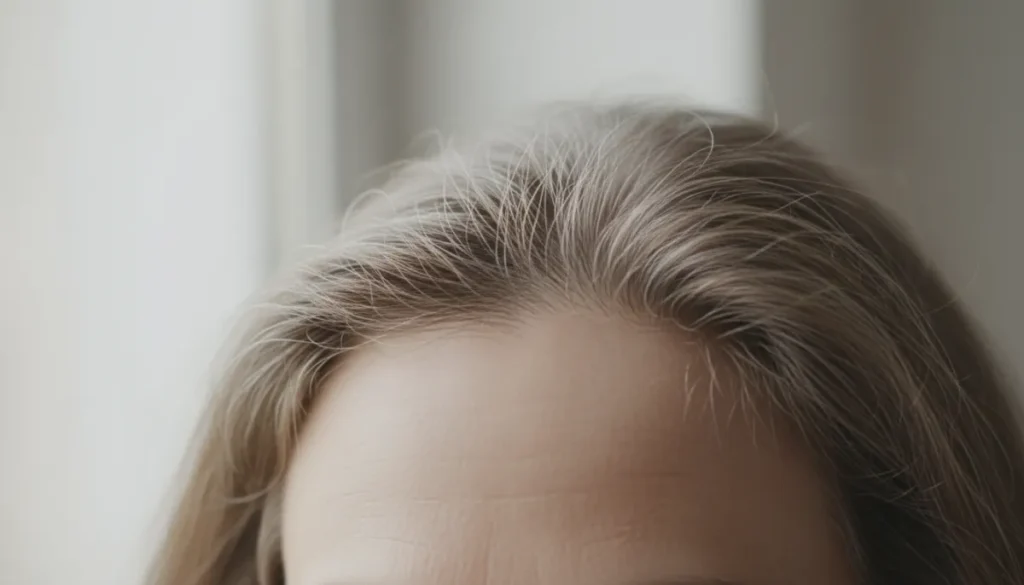
Timeline of Hair Regrowth After Chemotherapy
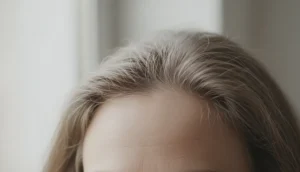
The journey of hair regrowth varies widely, but most patients observe initial signs within 3 to 6 weeks after completing chemotherapy. Early regrowth often appears as fine, soft vellus hairs that may feel different from pre‑treatment texture. Over the next few months, these strands typically thicken and take on a more natural appearance.
Key milestones include:
| Time After Treatment | Typical Hair Changes |
|---|---|
| 0‑2 weeks | Continued shedding; scalp may feel dry. |
| 3‑6 weeks | Emergence of fine, downy hair (vellus). |
| 2‑4 months | Gradual thickening; pigment may return. |
| 6‑12 months | Hair reaches near‑normal density for many. |
| 12+ months | Potential for full restoration; some may notice permanent texture changes. |
Factors influencing this timeline include the specific chemotherapy regimen, patient age, overall health, and whether radiation was part of the treatment plan. For example, agents like taxanes and anthracyclines are known for causing more pronounced alopecia, potentially extending the regrowth period.
Patience is crucial; while many celebrate the first sprouts, full confidence often returns only after the hair regains its original thickness and texture. If you notice no growth after 6 months, it may be worth consulting a specialist to assess underlying issues.
Strategies to Support Healthy Hair Regrowth
While the body ultimately determines the speed of hair regrowth after chemo, several evidence‑based practices can create an optimal environment for follicles to recover.
Nutrition and Supplements
Protein, iron, zinc, and biotin are essential building blocks for keratin synthesis. Incorporating lean meats, legumes, nuts, and leafy greens can help replenish these nutrients. Some survivors find benefit from supplements such as:
- Biotin (Vitamin B7) – 5,000 µg daily.
- Omega‑3 fatty acids – fish oil or flaxseed.
- Vitamin D – especially in winter months.
Always discuss supplementation with your oncologist to avoid interactions with ongoing medications.
Scalp Care
Gentle cleansing with sulfate‑free shampoos reduces irritation. Light scalp massage stimulates blood flow, encouraging follicular activity. Avoid harsh chemicals, heat styling, and tight hairstyles that can cause traction alopecia during the vulnerable regrowth phase.
Medical Options
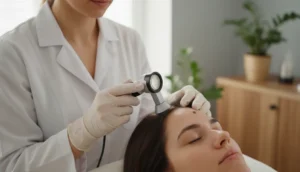
Topical minoxidil (2% or 5%) has shown promise in accelerating the transition from vellus to terminal hair. Low‑level laser therapy (LLLT) devices, approved for androgenic alopecia, are also being explored for post‑treatment regrowth, though clinical data remain limited.
Natural remedies, such as aloe vera gel or coconut oil, can soothe the scalp but should be used as adjuncts rather than primary treatments.
When to Consider Professional Hair Restoration
For some survivors, natural regrowth may be incomplete, or the new hair may differ significantly in texture or density. In such cases, consulting a hair restoration specialist can provide long‑term solutions.
Gold City Hair offers advanced techniques that are safe for post‑cancer patients once they have been cleared by their medical team:
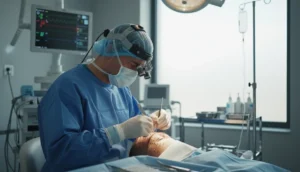
- Follicular Unit Extraction (FUE) – Individual follicles are harvested from a donor area and transplanted to thinning zones.
- Direct Hair Implantation (DHI) – Similar to FUE but uses a pen‑like device for precise placement.
- Eyebrow and beard transplants – Restoring facial hair lost during treatment.
Key considerations before proceeding include:
| Factor | Guideline |
|---|---|
| Medical Clearance | Confirmed remission and stable blood counts. |
| Time Since Treatment | Typically 12‑18 months to allow natural regrowth assessment. |
| Donor Area Quality | Sufficient healthy follicles needed for extraction. |
When performed by experienced surgeons, these procedures can deliver natural‑looking results, helping patients regain confidence after the emotional toll of cancer therapy.
Emotional Well‑Being and Lifestyle Adjustments
The visual impact of hair loss can affect self‑esteem, social interactions, and overall quality of life. Addressing the emotional dimension is as important as the physical recovery.
Styling Tips for New Growth
During the early regrowth phase, consider low‑maintenance cuts such as a soft bob or layered pixie that work well with fine hair. Gentle styling tools, like a wide‑tooth comb and low‑heat blow dryer, prevent breakage.
Support Networks
Connecting with survivor groups, either in‑person or online, provides a platform to share experiences and coping strategies. Many find comfort in discussing topics like “how to style post chemo hair” or “what helps hair growth after chemo” with peers who understand the journey.
Professional Counseling
Psychologists specializing in oncology can help process feelings of loss and anxiety. Cognitive‑behavioral techniques have been shown to improve body image satisfaction during the recovery period.
By integrating practical hair care with emotional support, survivors can navigate the transition from treatment to renewed confidence more smoothly.
Why Choose Gold City Hair
Gold City Hair has been delivering personalized hair restoration solutions in Turkey since 2017. Our clinic combines the latest FUE and DHI technologies with a compassionate approach, ensuring each patient receives clear communication and a tailored treatment plan. For post‑cancer patients cleared for procedures, our experienced surgeons prioritize safety, natural results, and long‑term confidence. Trust a team that values transparency and individualized care.
Ready to explore your hair restoration options after chemotherapy? Contact Gold City Hair today for a confidential consultation and take the first step toward renewed confidence.
FAQ
How long does it take for hair to grow back after chemotherapy?
Most patients see the first fine hairs appear 3‑6 weeks after finishing treatment, with noticeable thickness by 6‑12 months.
What can I do to support hair regrowth after chemo?
Maintain a nutrient‑rich diet, use gentle scalp care, consider minoxidil, and protect the scalp from harsh styling.
Does radiation therapy cause hair loss?
Yes, when the scalp receives radiation, especially doses above 30 Gy, it can lead to temporary or permanent hair thinning.
Are there medical treatments that can speed up hair regrowth post chemo?
Topical minoxidil and low‑level laser therapy are the most studied options, though results vary.
When is it safe to consider hair transplant after cancer treatment?
Most surgeons recommend waiting 12‑18 months after completing chemo and radiation to assess natural regrowth before transplant.
What nutrients are important for hair regrowth after chemotherapy?
Protein, iron, zinc, biotin, omega‑3 fatty acids, and vitamin D are key for rebuilding hair structure.
How can I manage the emotional impact of hair loss after chemo?
Engage in support groups, consider counseling, and experiment with styling options to boost confidence.