For many patients, chemo hair regrowth becomes a hopeful sign that treatment is ending and life is moving forward. While chemotherapy targets rapidly dividing cancer cells, it also affects the hair follicles, often leading to temporary or, in rare cases, permanent loss. Knowing the mechanisms behind hair loss, the typical timeline for new growth, and the strategies that can speed recovery empowers survivors to plan their post‑treatment care with confidence.
Statistics show that up to 80% of chemotherapy patients experience some degree of hair shedding, yet most see noticeable regrowth within six to twelve months after completing therapy. This article explores the science of hair loss during chemo, outlines realistic expectations for regrowth, and provides practical tips—both natural and medical—to support healthier hair as it returns.
Whether you’re navigating the emotional impact of baldness or preparing for the next phase of your cancer journey, understanding the process of chemo hair regrowth can help you set realistic goals and choose the right supportive measures.
What Causes Hair Loss During Chemotherapy

Chemotherapy drugs are designed to attack cells that divide quickly. Unfortunately, hair‑follicle cells share this rapid growth rate, making them vulnerable. The most common reasons for hair loss during treatment include:
- Direct cytotoxic effects of the drugs on follicular cells.
- Disruption of the normal hair‑growth cycle, pushing follicles into the resting (telogen) phase.
- Inflammatory responses that damage the scalp’s micro‑environment.
- Reduced blood flow to the scalp caused by certain drug combinations.
Understanding why hair falls out helps answer questions like “why does chemotherapy cause hair loss?” and “does chemo make you lose your hair?” The answer lies in the systemic nature of the treatment—while targeting cancer, it cannot distinguish between tumor cells and other rapidly dividing cells.
Below is a comparison of common chemotherapy agents and their typical impact on hair:
| Drug Category | Typical Hair Loss Severity | Notes |
|---|---|---|
| Alkylating agents (e.g., cyclophosphamide) | High | Often cause complete scalp shedding. |
| Antimetabolites (e.g., methotrexate) | Moderate | May result in patchy loss. |
| Taxanes (e.g., paclitaxel) | High | Hair loss can begin early in the cycle. |
| Targeted therapies (e.g., trastuzumab) | Low to moderate | Hair loss is less common but still possible. |
While the loss can be distressing, it is usually temporary. The follicles remain alive, ready to re‑enter the growth phase once the chemotherapeutic agents clear from the body.
Timeline of Hair Regrowth After Chemotherapy
Patients often ask, “how long does it take for hair to grow back?” The answer varies based on individual health, the specific chemotherapy regimen, and age. Generally, the regrowth process follows these stages:
- Weeks 1‑4 post‑treatment: Scalp may feel tingling; fine, downy hair (vellus) may appear.
- Months 2‑4: Vellus hair thickens, taking on more pigment; visible length reaches 1‑2 cm.
- Months 5‑8: Terminal hair (the thicker, pigmented type) begins to emerge, especially at the crown and temples.
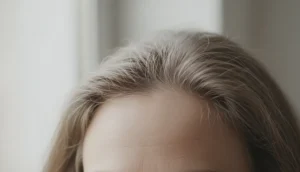
- Months 9‑12: Most patients see a substantial return of normal‑looking hair, though texture may differ.
Factors that can accelerate or delay this timeline include nutrition, hormonal balance, and scalp health. Studies show that hair growth after chemotherapy typically becomes noticeable around the 3‑month mark, but full regrowth may take up to a year.
Below is a concise reference table for expected milestones:
| Time After Treatment | Typical Hair Appearance | Patient Experience |
|---|---|---|
| 0‑4 weeks | Fine, colorless vellus hair | Scalp may feel itchy or numb. |
| 1‑3 months | Thicker, pigmented hair begins | Early signs of regrowth, often patchy. |
| 4‑6 months | Hair reaches 3‑5 cm, more uniform | Improved confidence, styling possible. |
| 7‑12 months | Near‑full density, natural texture | Most patients feel normal again. |
Understanding this timeline helps set realistic expectations and reduces anxiety during the recovery phase.
Effective Ways to Support Hair Regrowth Naturally
While medical treatments play a pivotal role, many survivors find that lifestyle adjustments and natural remedies can enhance the quality of new hair. Below are evidence‑based practices that address the question “can anything help regrowth of chem hair loss?”
Nutrition and Supplements
Hair is primarily made of keratin, a protein that requires specific nutrients to grow strong. Consider incorporating:
- Protein‑rich foods such as lean meats, legumes, and Greek yogurt.
- Biotin (Vitamin B7) – 30 µg daily can improve keratin production.
- Zinc and Iron – essential for follicle health; test levels before supplementing.
- Omega‑3 fatty acids – found in salmon and flaxseed, they reduce scalp inflammation.
Scalp Care Practices
Gentle stimulation of the scalp can increase blood flow, encouraging follicles to re‑enter the growth phase. Try:
- Light scalp massage with natural oils (e.g., jojoba or almond) for 5‑10 minutes daily.
- Using a soft‑bristle brush to avoid mechanical trauma.
- Applying a cool, damp towel after a warm shower to soothe irritation.
Stress Management
High stress levels can prolong the telogen phase. Techniques such as mindfulness meditation, yoga, or gentle walking have been linked to improved hair‑growth outcomes.
Below is a quick reference table summarizing natural support methods:
| Strategy | Key Benefit | Suggested Frequency |
|---|---|---|
| Protein‑rich meals | Provides building blocks for keratin | 3‑5 meals per week |
| Biotin supplement | Enhances hair strength | Daily |
| Scalp massage | Boosts circulation | 5‑10 min, 2‑3×/week |
| Stress‑relief practice | Reduces telogen‑inducing cortisol | 15‑30 min daily |
While natural methods are supportive, they work best when combined with medical guidance, especially for individuals with underlying deficiencies.
Medical Options for Enhancing Hair Regrowth Post‑Chemo
When natural approaches alone are insufficient, several clinically proven treatments can accelerate chemo hair regrowth. These options answer common queries like “what helps hair growth after chemo?” and “can hair regrowth after chemotherapy be enhanced?”
Topical Minoxidil
Minoxidil (2% or 5%) is the most widely used over‑the‑counter solution. Applied twice daily, it widens blood vessels in the scalp, delivering more oxygen and nutrients to follicles. Clinical trials show a 30‑40% improvement in hair density after 6 months of consistent use.
Platelet‑Rich Plasma (PRP)
PRP therapy involves drawing a small amount of the patient’s blood, concentrating the platelets, and injecting them into the scalp. Growth factors released from platelets can stimulate dormant follicles. Typical protocols recommend three sessions spaced one month apart.
Low‑Level Laser Therapy (LLLT)
LLLT devices (e.g., laser caps or combs) emit red light that penetrates the scalp, enhancing cellular metabolism. Studies indicate modest gains in hair thickness when used for 15‑20 minutes, three times per week.
Hair Transplant Surgery
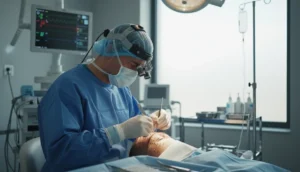
For patients who experience permanent thinning or patchy regrowth, a hair transplant can provide lasting results. Techniques such as Follicular Unit Extraction (FUE) and Direct Hair Implantation (DHI) relocate healthy follicles from a donor area to the thinning zone. While surgery is an elective option, it offers a permanent solution when other methods fall short.
Below is a side‑by‑side comparison of these medical options:
| Treatment | Mechanism | Typical Onset of Results | Considerations |
|---|---|---|---|
| Minoxidil | Vasodilation & follicle stimulation | 3‑6 months | Requires daily application; possible scalp irritation. |
| PRP | Growth‑factor release | 2‑4 months | Multiple sessions; cost varies. |
| LLLT | Photobiomodulation | 4‑6 months | Home devices available; consistent use needed. |
| Hair Transplant (FUE/DHI) | Permanent follicle relocation | 6‑12 months post‑procedure | Surgical procedure; best for stable donor area. |
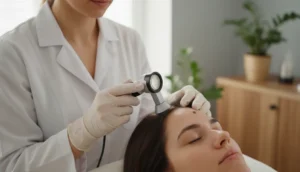
Consulting a qualified dermatologist or hair‑restoration specialist is essential to determine the most appropriate plan based on your medical history and the extent of regrowth needed.
Emotional and Lifestyle Considerations During Hair Recovery
The journey of hair regrowth after chemo is not only physical; it carries a strong emotional component. Many survivors report feelings of vulnerability during baldness and excitement as new hair appears. Addressing these emotions can improve overall well‑being and even influence the speed of regrowth.
Styling Tips for Growing Hair
While the hair is still fine, opt for gentle styling:
- Use loose, breathable headbands instead of tight scarves.
- Choose soft, silicone‑free hair ties to avoid breakage.
- Consider low‑maintenance cuts—bob or layered styles—that reduce weight on fragile strands.
Support Networks
Connecting with other survivors through support groups or online forums provides shared experiences and practical advice. Hearing stories of “hair growing back after chemo” can reinforce a positive mindset.
Professional Counseling
If hair loss triggers anxiety or depression, a mental‑health professional can offer coping strategies, such as cognitive‑behavioral therapy (CBT) or expressive art therapy. Addressing mental health early often correlates with better adherence to regrowth protocols.
Finally, celebrate milestones—whether it’s the first visible strand or reaching a new length. Acknowledging progress nurtures confidence and encourages continued commitment to healthy habits.
Why Choose Gold City Hair for Your Hair Restoration Journey
Gold City Hair combines years of expertise in advanced hair‑restoration techniques with a compassionate, patient‑focused approach. Since 2017, our clinic in Turkey has delivered personalized care, from thorough pre‑treatment assessments to post‑procedure support. Whether you are exploring medical options to boost chemo hair regrowth or considering a future transplant, our team ensures transparent communication, state‑of‑the‑art facilities, and results that restore both hair and confidence.
Ready to take the next step toward fuller, healthier hair? Contact Gold City Hair today to schedule a personalized consultation and learn how our tailored treatments can support your post‑chemo regrowth journey.
FAQ
Why does chemotherapy cause hair loss?
Chemotherapy targets rapidly dividing cells, and hair‑follicle cells divide quickly, so they are unintentionally damaged.
How long does it take for hair to grow back after chemotherapy?
Most patients notice fine vellus hair within 1‑3 months, with substantial regrowth by 6‑12 months.
Can natural methods help regrowth of chemo‑induced hair loss?
Yes, nutrition, scalp massage, and stress reduction can support healthier hair regrowth.
What medical options are available to enhance hair regrowth after chemo?
Topical minoxidil, PRP therapy, low‑level laser therapy, and hair transplant surgery are proven options.
Does using minoxidil after chemotherapy improve hair density?
Yes, consistent twice‑daily use can increase hair density by 30‑40% within six months.
Is hair transplant a viable option for permanent hair loss after chemo?
Yes, for patients with lasting thinning, transplant surgery can restore permanent density.