Ophiasis hair loss is a distinct pattern of alopecia that forms a band-like thinning along the sides and back of the scalp. While many people are familiar with the classic round patches of alopecia areata, ophiasis presents a unique challenge because its shape follows the natural hairline, often making it harder to conceal.
In this article we explore the underlying mechanisms, common triggers, and the most effective ways to manage this condition. Whether you are experiencing the first signs or have been living with ophiasis for years, understanding the condition empowers you to make informed decisions about treatment.
According to recent dermatology surveys, approximately 10% of alopecia areata patients develop the ophiasis pattern, highlighting the importance of early recognition and targeted therapy. Below, we break down everything you need to know—from diagnosis to the latest hair restoration techniques offered at Gold City Hair.
What Is Ophiasis Hair Loss and How Does It Differ From Other Types?
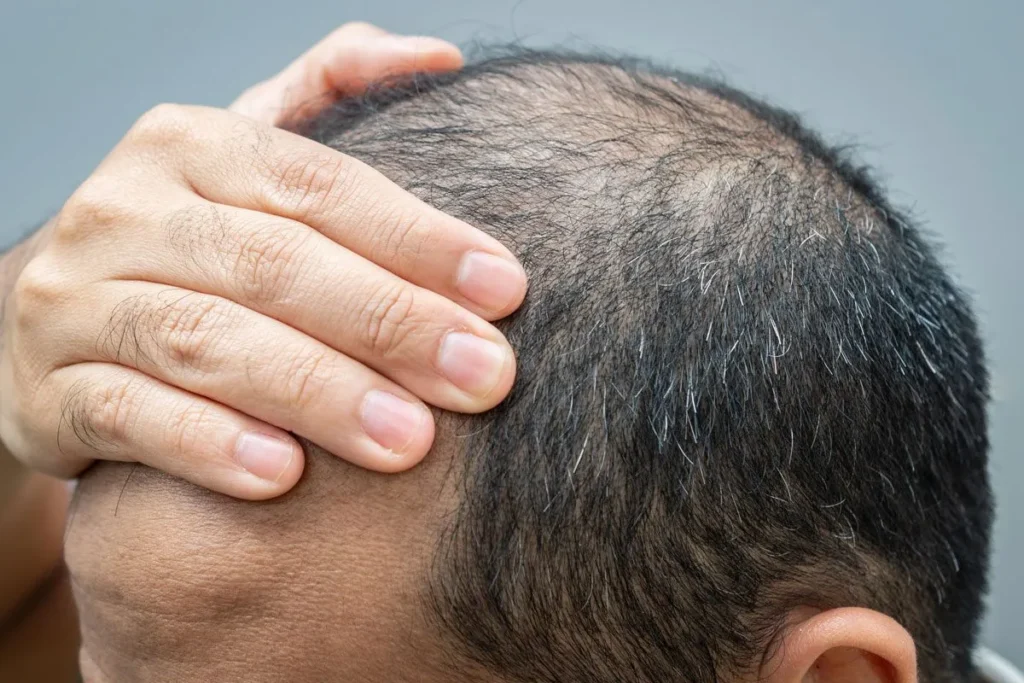
Ophiasis hair loss is a subtype of alopecia areata characterized by a serpentine band of hair loss that typically encircles the occipital and temporal regions. Unlike the round or oval patches seen in classic alopecia areata, ophiasis follows a “U‑shaped” trajectory, often extending from the temples down the back of the head.
This pattern can be mistaken for other forms of hair thinning, such as pattern baldness, but its sudden onset and well‑defined borders set it apart. While the exact prevalence is unclear, clinicians note that ophiasis may be more resistant to standard topical therapies, prompting many patients to seek advanced solutions.
- Shape: Band‑like, often resembling a “W” or “U”.
- Location: Temporal and occipital scalp areas.
- Progression: Can remain stable or spread to adjacent regions.
Because the hair follicles in the affected zone are still viable, many treatment modalities—both medical and surgical—remain viable options.
Common Causes and Risk Factors Behind Ophiasis
While the precise cause of ophiasis remains under investigation, it is widely accepted that the condition is an autoimmune response in which the body’s immune system mistakenly attacks hair follicles. This autoimmune activity is similar to that seen in broader alopecia areata, but certain factors appear to increase the likelihood of developing the ophiasis pattern.
Key risk factors include:
- Genetic predisposition: Family history of alopecia or other autoimmune disorders.
- Stressful events: Physical or emotional stress can trigger or exacerbate the condition.
- Hormonal changes: Fluctuations during puberty, pregnancy, or menopause may influence onset.
- Environmental triggers: Exposure to certain chemicals or medications.
Research also suggests a link between ophiasis and other autoimmune conditions such as thyroid disease, vitiligo, and rheumatoid arthritis. Understanding these connections helps clinicians tailor a comprehensive treatment plan that addresses both the scalp symptoms and any underlying systemic issues.
Recognizing the Signs: Symptoms and Diagnosis
Early detection of ophiasis hair loss can significantly improve treatment outcomes. The hallmark symptom is a well‑defined band of thinning that may start subtly and become more pronounced over weeks or months.
Additional signs to watch for include:
- Fine, short hairs (vellus hairs) within the affected zone.
- Occasional itching or mild discomfort.
- Sudden appearance of new patches alongside the existing band.
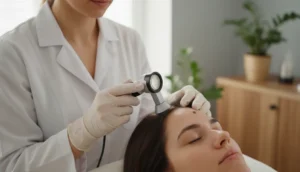
Diagnosis typically involves a thorough clinical examination by a dermatologist or a hair restoration specialist. In some cases, a scalp biopsy may be performed to confirm the autoimmune nature of the loss and to rule out other conditions such as tinea capitis or scarring alopecia.
| Diagnostic Tool | Purpose | Typical Findings for Ophiasis |
|---|---|---|
| Clinical Examination | Visual assessment of pattern | Band‑shaped thinning, non‑scarring |
| Trichoscopy | Dermatoscopic evaluation | Exclamation mark hairs, yellow dots |
| Scalp Biopsy | Histopathological confirmation | Peribulbar lymphocytic infiltrate |
Accurate diagnosis ensures that patients receive the most appropriate therapy, whether it involves topical immunomodulators, systemic medication, or surgical restoration.
Treatment Options: From Medical Therapies to Hair Transplant Techniques
Managing ophiasis hair loss often requires a multimodal approach. While topical steroids and immunotherapy can help halt progression, many patients ultimately seek permanent restoration through hair transplant procedures.
Below is an overview of the most common treatment pathways:
- Topical Corticosteroids: Reduce local inflammation; best for early‑stage patches.
- Intralesional Injections: Direct delivery of steroids into affected follicles.
- Systemic Immunosuppressants: Medications such as methotrexate or JAK inhibitors for extensive cases.
- Phototherapy (PUVA): Controlled ultraviolet exposure to modulate immune response.
- Hair Transplant Surgery: Advanced FUE or DHI techniques to repopulate the band with healthy grafts.
At Gold City Hair, we specialize in the following transplant methods, which have proven effective for ophiasis patients:
| Technique | Key Benefits | Ideal Candidate |
|---|---|---|
| FUE (Follicular Unit Extraction) | Minimally invasive, natural hair line | Patients with stable alopecia and sufficient donor area |
| DHI (Direct Hair Implantation) | Higher graft survival, precise placement | Those seeking faster recovery and dense coverage |
| Robotic‑Assisted FUE | Enhanced precision, reduced fatigue | Large‑scale restorations requiring uniform grafts |
Choosing the right combination of medical and surgical interventions depends on disease activity, donor hair availability, and personal aesthetic goals. A personalized consultation is essential to map out a realistic treatment timeline.
Living With Ophiasis: Care Tips and Lifestyle Adjustments
Beyond medical treatment, daily habits can influence the course of ophiasis hair loss. Simple lifestyle modifications help support overall scalp health and may reduce flare‑ups.
- Gentle Hair Care: Use sulfate‑free shampoos and avoid tight hairstyles that pull on the sides and back of the scalp.
- Balanced Nutrition: Incorporate foods rich in zinc, biotin, and omega‑3 fatty acids to nourish hair follicles.
- Stress Management: Practices such as meditation, yoga, or regular exercise can lower systemic inflammation.
- Sun Protection: Wear hats or use SPF scalp sprays when outdoors for prolonged periods.
- Regular Follow‑Ups: Schedule periodic reviews with your specialist to monitor progress and adjust therapy as needed.
Patients who combine these self‑care strategies with professional treatment often report higher satisfaction and a more stable hair regrowth pattern.
Why Choose Gold City Hair for Ophiasis Treatment
Gold City Hair has been delivering personalized hair restoration solutions in Turkey since 2017. Our team combines extensive experience in treating alopecia areata and its ophiasis variant with cutting‑edge FUE, DHI, and robotic‑assisted technologies. We prioritize transparent communication, thorough diagnostics, and a customized treatment plan that aligns with each patient’s unique needs and aesthetic goals. Trust a clinic that values both medical expertise and the confidence that comes with a full, natural‑looking head of hair.
Ready to take control of ophiasis hair loss? Contact Gold City Hair today to schedule a comprehensive consultation and discover the most effective treatment pathway for you.
Experience personalized care, advanced transplant techniques, and a renewed sense of confidence—your journey to fuller hair starts now.
FAQ
What is ophiasis hair loss and how does it differ from other types of alopecia?
Ophiasis is a subtype of alopecia areata that creates a band‑like thinning along the sides and back of the scalp, unlike the round patches of classic alopecia.
What are the common causes and risk factors for ophiasis?
The exact cause is unknown, but it is an autoimmune reaction influenced by genetics, stress, hormonal changes, and environmental triggers.
How is ophiasis diagnosed by dermatologists?
Diagnosis involves clinical examination, trichoscopy, and sometimes a scalp biopsy to confirm the autoimmune nature.
What treatment options are available for ophiasis hair loss?
Options range from topical steroids and systemic immunosuppressants to advanced hair transplant techniques such as FUE, DHI, and robotic‑assisted FUE.
Can hair transplant surgery effectively treat ophiasis?
Yes, because the follicles in the affected zone are still viable, transplanting healthy grafts can restore density along the band.
What lifestyle changes can help manage ophiasis hair loss?
Gentle hair care, balanced nutrition, stress reduction, sun protection, and regular follow‑ups support scalp health and may reduce flare‑ups.