When you notice strands on your pillow or a receding hairline, the first question that often arises is what will cause hair loss in your particular case. Hair loss affects millions worldwide, and the reasons can be surprisingly varied—from genetics and hormonal shifts to everyday habits and medical conditions. In this article we explore the most common triggers, explain how they interact with the hair growth cycle, and outline practical steps you can take to identify and address the underlying cause. By the end, you’ll have a clearer picture of why your hair may be thinning and what options are available, including advanced restoration techniques offered by Gold City Hair.
Understanding the root cause is essential because it determines the most effective treatment pathway. For example, a hormonal imbalance may respond to medication, while damage from harsh styling often improves with changes in routine. Moreover, early detection can prevent further loss and increase the success rate of any restorative procedure.
Let’s dive into the science, the lifestyle factors, and the professional guidance that can help you regain a fuller, healthier head of hair.
Common Medical Causes of Hair Loss
Medical conditions are among the most frequent culprits when asking what will cause hair loss. Below are the primary health‑related factors that can disrupt the normal hair growth cycle.
Hormonal and Genetic Disorders
Androgenetic alopecia, often called male or female pattern baldness, is driven by genetic sensitivity to dihydrotestosterone (DHT). This condition accounts for up to 95% of hair loss in men and a significant portion in women. Alopecia areata is an autoimmune disorder where the immune system mistakenly attacks hair follicles, leading to sudden, patchy loss.
Thyroid Imbalances
Both hypothyroidism and hyperthyroidism can cause diffuse thinning. Thyroid hormones regulate metabolism, and any disruption can affect follicle health, resulting in hair shedding during the telogen phase.
Nutritional Deficiencies
Lack of essential nutrients—particularly iron, zinc, biotin, and vitamin D—can impair keratin production, the protein that makes up hair. Iron‑deficiency anemia is a well‑documented cause of diffuse hair loss, especially in women.
Medications and Treatments
Certain drugs are known to trigger hair loss as a side effect. These include chemotherapy agents, anticoagulants, beta‑blockers, and retinoids. Even high doses of vitamin A can lead to temporary shedding.
- Chemotherapy – targets rapidly dividing cells, including hair follicles.
- Anticoagulants – may affect blood flow to the scalp.
- Beta‑blockers – can interfere with hair follicle cycling.
Identifying a medical cause often requires blood tests, scalp examinations, and a review of your medication history. Early diagnosis allows for targeted treatment, such as hormone therapy, nutritional supplementation, or adjusting offending medications.
Lifestyle and Environmental Factors
Beyond medical issues, everyday choices and surroundings can answer the question what will cause hair loss for many individuals. Lifestyle factors often act synergistically with genetics, accelerating the thinning process.
Stress and Psychological Pressure
Chronic stress elevates cortisol levels, which can push hair follicles into the telogen (resting) phase, leading to telogen effluvium. This type of shedding typically occurs 2–3 months after a stressful event and can affect the entire scalp.
Diet and Nutrition
A diet high in processed foods and low in protein can deprive follicles of the building blocks they need. Conversely, excessive intake of vitamin A or selenium may also cause toxicity‑related hair loss.
Environmental Exposures
Exposure to pollutants, heavy metals, and radiation can damage the scalp’s microenvironment. For instance, prolonged UV exposure weakens the skin barrier, while certain chemicals in water (chlorine) may irritate the scalp.
- Smoking – reduces blood flow and oxygen delivery to hair follicles.
- Air pollution – introduces oxidative stress that can impair follicle function.
- Radiation therapy – directly damages DNA in hair-producing cells.
Making incremental changes—such as incorporating antioxidant‑rich foods, practicing mindfulness, and protecting the scalp from harsh weather—can mitigate these factors and improve overall hair health.
Hair Care Practices That May Trigger Loss
Many people wonder what will cause hair loss as a result of their own grooming routines. Certain habits, while popular, can unintentionally weaken the hair shaft and irritate the scalp.
Harsh Chemical Treatments
Frequent bleaching, perming, or coloring introduces strong oxidizing agents that break down keratin bonds. Over time, this leads to brittle strands that break easily, giving the appearance of thinning.
Heat Styling and Mechanical Stress
Regular use of flat irons, curling wands, and blow dryers at high temperatures can cause cuticle damage. Tight ponytails, braids, or buns create constant tension, resulting in traction alopecia—a form of hair loss caused by pulling forces on the follicle.
| Practice | Potential Impact | Recommended Adjustment |
|---|---|---|
| Daily heat styling | Cuticle damage, breakage | Use heat protectant, limit to 2‑3 times/week |
| Tight hairstyles | Traction alopecia | Loosen tension, alternate styles |
| Harsh shampoos | Scalp irritation | Choose sulfate‑free, pH‑balanced formulas |
Improper Shampooing and Drying
Rubbing the scalp vigorously or using very hot water can strip natural oils, leading to dryness and inflammation. Gentle massage with lukewarm water and a soft towel patting technique preserves scalp health.
By reviewing your routine and making small, informed changes, you can reduce the risk of iatrogenic hair loss and create a supportive environment for regrowth.
Genetic Predisposition and Hormonal Influences
When asking what will cause hair loss, genetics often top the list. Your DNA determines how sensitive your hair follicles are to hormones like dihydrotestosterone (DHT), which can shrink follicles over time.
Family History
If a close relative experienced early‑onset baldness, you may inherit similar follicular traits. Genetic testing can identify specific markers linked to androgenic alopecia, helping clinicians predict progression.
Hormonal Changes
Women may notice thinning during pregnancy, postpartum, or menopause due to fluctuating estrogen and progesterone levels. Men experience gradual hair loss as testosterone converts to DHT, especially after the age of 30.
Interaction with Other Factors
Genetics rarely act alone. A person with a strong family history may see accelerated loss if they also smoke, endure chronic stress, or use damaging hair products. Understanding this interplay guides personalized treatment plans.
Professional evaluation, including a detailed family chart and hormonal panel, can clarify the role of genetics and help you choose the most appropriate intervention—whether medical therapy, lifestyle modification, or a hair transplant procedure.
When to Seek Professional Evaluation
Identifying what will cause hair loss is only the first step; knowing when to consult a specialist can prevent irreversible damage. Consider scheduling an appointment if you notice any of the following:
- Rapid shedding of more than 100 hairs per day.
- Patchy bald spots that do not regrow within a month.
- Persistent itching, redness, or scaling on the scalp.
- Sudden hair loss after a major illness, surgery, or medication change.
Diagnostic Tools
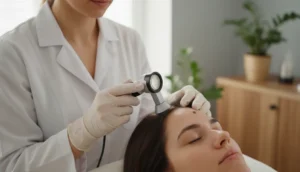
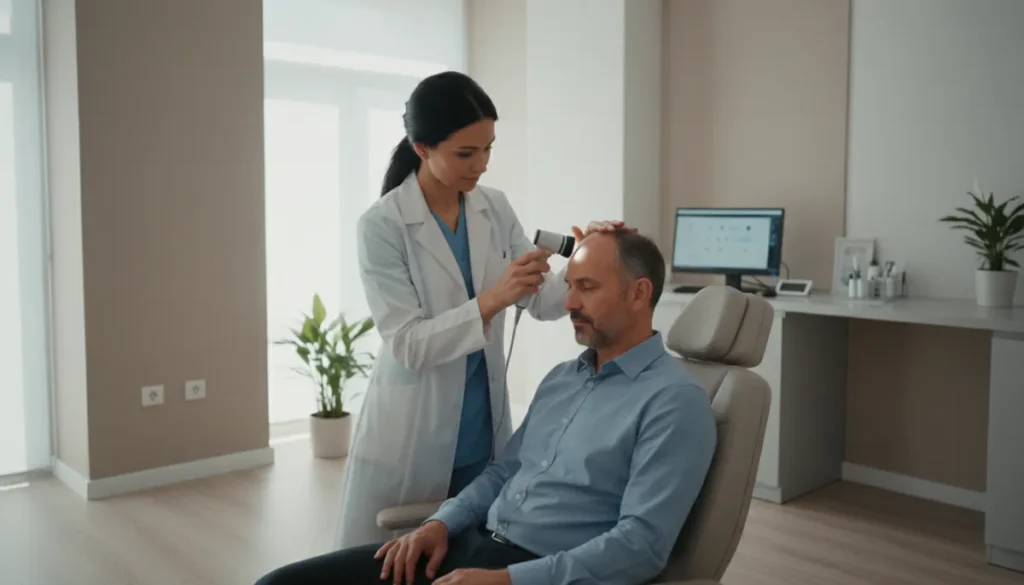
Dermatologists may use trichoscopy, a non‑invasive scalp imaging technique, to assess follicle density and miniaturization. Blood tests evaluate thyroid function, iron levels, and hormonal balance. In complex cases, a scalp biopsy can differentiate between scarring and non‑scarring alopecia.
Treatment Pathways
Based on the diagnosis, treatment options range from topical minoxidil and oral finasteride for androgenetic alopecia, to corticosteroid injections for alopecia areata, to nutritional supplementation for deficiency‑related loss. When medical therapy is insufficient, a hair transplant—such as Follicular Unit Extraction (FUE) or Direct Hair Implantation (DHI)—offers a permanent solution.
Early intervention not only halts further loss but also maximizes the success of restorative procedures, giving you a better chance at natural‑looking results.
Why Choose Gold City Hair for Your Hair Restoration
Gold City Hair has been delivering personalized hair restoration solutions in Turkey since 2017. Our clinic specializes in advanced techniques such as FUE, DHI, and eyebrow or beard transplants, ensuring natural‑looking density and minimal downtime. We prioritize transparent communication, thorough pre‑procedure evaluation, and after‑care support, helping you regain confidence with lasting results. Trust a team that combines medical expertise with aesthetic precision.
Ready to take control of your hair health? Contact Gold City Hair today for a personalized consultation and discover the most effective solution for your unique situation. Reclaim your confidence—schedule your appointment now.
FAQ
What are the most common medical causes of hair loss?
Medical causes include hormonal disorders like androgenetic alopecia, thyroid imbalances, nutritional deficiencies, autoimmune conditions such as alopecia areata, and side effects from certain medications.
How does chronic stress affect hair loss?
Stress raises cortisol levels, pushing hair follicles into the resting telogen phase, which leads to telogen effluvium—a diffuse shedding that appears months after the stressful event.
Can diet and nutrition influence hair thinning?
Yes, inadequate intake of essential nutrients like iron, zinc, biotin, and vitamin D can weaken hair, while excessive vitamin A or selenium can cause toxicity‑related loss.
What hair‑care practices can unintentionally cause hair loss?
Harsh chemical treatments, frequent high‑heat styling, tight hairstyles, and aggressive shampooing can damage the shaft and irritate the scalp, leading to breakage or traction alopecia.
When should I schedule a professional evaluation for hair loss?
If you notice rapid shedding (over 100 hairs/day), patchy bald spots, persistent scalp irritation, or sudden loss after illness or medication changes, see a dermatologist promptly.
What treatment options are available for different types of hair loss?
Treatments range from topical minoxidil and oral finasteride for androgenetic alopecia to corticosteroid injections for alopecia areata, nutritional supplements for deficiencies, and hair transplant surgery for permanent restoration.