Male hair surgery has become a cornerstone solution for men facing progressive hair loss, offering a permanent way to regain a fuller, natural‑looking head of hair. This article walks you through the science behind hair loss, the surgical techniques available, the recovery journey, and practical considerations such as cost and clinic selection. Understanding these factors helps you make an informed decision that aligns with your lifestyle and aesthetic goals.
According to recent dermatology surveys, up to 40 % of men begin to notice noticeable thinning by age 30, and the prevalence rises sharply after 50. For many, topical treatments provide only temporary relief, prompting a shift toward surgical restoration. By exploring the full spectrum of options, you can identify the approach that delivers lasting results with minimal downtime.
We will cover the anatomy of male pattern baldness, compare the most popular procedures, outline what to expect during and after surgery, and highlight why Gold City Hair stands out as a leader in the field. Whether you are evaluating your first consultation or planning a follow‑up, this guide equips you with the knowledge to move forward confidently.
Understanding Male Hair Loss and Surgical Options

Male pattern baldness, medically known as androgenetic alopecia, is driven by genetic sensitivity to dihydrotestosterone (DHT). This hormone shortens the hair growth phase, leading to miniaturized follicles and eventual hair loss. While lifestyle factors such as stress, nutrition, and certain medications can accelerate the process, the underlying cause remains hormonal.
When non‑surgical solutions like finasteride or minoxidil no longer provide satisfactory density, hair transplant surgery becomes a viable next step. The two most widely used techniques are Follicular Unit Extraction (FUE) and Direct Hair Implantation (DHI). Both methods harvest individual follicular units from a donor area—typically the back of the scalp—and implant them into balding zones, but they differ in extraction and implantation mechanics.
| Feature | FUE (Follicular Unit Extraction) | DHI (Direct Hair Implantation) |
|---|---|---|
| Extraction Method | Punch tool removes follicles one by one | Punch tool combined with a proprietary implanter pen |
| Implantation Speed | Manual placement; may require multiple sessions | Implanter pen places grafts directly, reducing handling time |
| Scarring | Small dot scars, often invisible to the naked eye | Similar dot scars; slightly less tissue trauma |
| Ideal Candidates | Patients with moderate to extensive hair loss | Patients seeking higher graft density and quicker recovery |
Both FUE and DHI are considered hair restoration procedures with high success rates, typically achieving 90 % graft survival when performed by experienced surgeons. Choosing the right technique depends on your donor hair quality, desired density, and personal recovery preferences.
The Procedure Step-by-Step
The journey from consultation to final results involves several carefully coordinated stages. Understanding each phase helps set realistic expectations and reduces anxiety.
Consultation and Planning
During the initial meeting, the surgeon evaluates your scalp, discusses medical history, and determines the appropriate graft count. Digital imaging may be used to simulate post‑procedure appearance, allowing you to visualize potential outcomes.
Extraction of Follicular Units
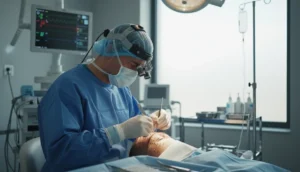
Under local anesthesia, the surgeon uses a micro‑punch to harvest grafts from the donor zone. In FUE, each follicle is removed individually; in DHI, the grafts are loaded directly into a pen for immediate implantation. The process typically lasts 4–8 hours, depending on the number of grafts.
Implantation and Graft Placement
Grafts are strategically placed following the natural hair growth angle, ensuring a seamless blend with existing hair. The surgeon creates micro‑incisions or uses the DHI pen to insert each follicle at the correct depth and direction.
- Maintain proper graft orientation to mimic natural flow.
- Distribute grafts evenly across the target area.
- Allow sufficient spacing to promote healthy blood supply.
After implantation, the scalp is gently cleaned, and a light dressing is applied. Most patients can return home the same day, though a short observation period is recommended.
Recovery, Aftercare, and Expected Results
Recovery is a critical component of successful hair restoration. While the procedure itself is minimally invasive, the scalp needs time to heal and grafts to take root.
| Recovery Phase | Time Frame | Key Activities |
|---|---|---|
| Immediate Post‑Op | 0‑3 days | Gentle washing, avoid strenuous activity, keep head elevated |
| Early Healing | 4‑14 days | Scab formation, avoid direct sun exposure, use prescribed ointments |
| Graft Growth | 2‑4 months | Shedding of transplanted hairs, new growth begins |
| Final Results | 6‑12 months | Full density achieved, maintenance regimen established |
Typical side effects include mild swelling, redness, and temporary numbness, all of which resolve within two weeks. Most patients notice initial shedding of transplanted hairs around week three—a normal part of the hair cycle known as “shock loss.” New, permanent hair usually starts to appear after the third month, reaching full thickness by the ninth to twelfth month.
Adhering to aftercare guidelines—such as using gentle shampoos, avoiding harsh chemicals, and protecting the scalp from UV radiation—maximizes graft survival and accelerates the healing process.
Choosing the Right Clinic and Surgeon
Selecting a reputable clinic is as important as the surgical technique itself. Here are key factors to evaluate:
- Surgeon Experience: Look for board‑certified professionals with a minimum of five years performing FUE or DHI procedures.
- Facility Accreditation: Clinics should comply with international health standards and maintain a sterile environment.
- Patient Portfolio: Review before‑and‑after galleries to gauge realistic outcomes.
- Transparent Pricing: Detailed cost breakdowns prevent hidden fees.
- Post‑Operative Support: Access to follow‑up consultations and aftercare resources.
Gold City Hair meets and exceeds these criteria, offering a personalized experience from the first call through the final follow‑up. Their team of seasoned surgeons specializes in both FUE and DHI, ensuring that each patient receives the most suitable method based on individual hair characteristics.
Cost Considerations and Financing Options
While the price of male hair surgery varies by region, technique, and graft count, understanding the components helps you budget effectively.
- Consultation Fee: Often included in the overall package.
- Graft Price: Typically ranges from $2 to $5 per graft, depending on the clinic’s expertise.
- Medication and Aftercare: Includes antibiotics, anti‑inflammatory drugs, and specialized shampoos.
- Travel and Accommodation: For international patients, consider flight and lodging expenses.
Many clinics, including Gold City Hair, provide flexible financing plans such as installment payments or partnership with medical loan providers. Some patients also benefit from package discounts when combining hair transplantation with eyebrow or beard restoration services.
Investing in a high‑quality procedure often translates to longer‑lasting results, reducing the need for future touch‑ups and ultimately offering better value over time.
Why Choose Gold City Hair
Gold City Hair has been delivering aesthetic and cosmetic treatments in Turkey since 2017, focusing on personalized care and transparent communication. Their expertise in FUE, DHI, and eyebrow/beard transplants ensures that each patient receives a tailored plan that addresses specific hair loss patterns. With a commitment to safety, state‑of‑the‑art facilities, and a proven track record of natural‑looking outcomes, Gold City Hair stands out as a trusted partner for men seeking lasting confidence through hair restoration.
Ready to take the next step toward a fuller head of hair? Contact Gold City Hair today to schedule your confidential consultation and discover a personalized plan that fits your goals and budget.
Experience the confidence that comes with lasting results—your transformation starts now.
FAQ
What is the difference between FUE and DHI hair transplant techniques?
FUE extracts follicles with a punch tool and implants them manually, while DHI uses an implanter pen that places grafts directly, reducing handling time.
How long does it take to see final results after a male hair transplant?
Full, permanent results typically appear between 6 and 12 months post‑procedure.
What are the typical side effects and recovery timeline for male hair surgery?
Mild swelling, redness, and temporary numbness resolve within two weeks; most daily activities resume after a few days.
How is the cost of a hair transplant calculated?
Cost is based on graft count, technique (FUE or DHI), clinic fees, medications, and any travel expenses.
What should I look for when choosing a hair transplant clinic?
Prioritize surgeon experience, facility accreditation, transparent pricing, and strong after‑care support.
Why is Gold City Hair considered a trusted choice for male hair restoration?
Gold City Hair offers experienced surgeons, state‑of‑the‑art facilities, transparent pricing, and personalized after‑care.