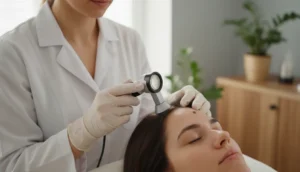
When considering side effects from PRP injections, it’s natural to wonder how platelet‑rich plasma (PRP) therapy might affect your scalp and overall health. This article breaks down the most common reactions, the rarer complications, and practical steps to manage them, helping you make an informed decision about PRP for hair restoration.
PRP therapy has grown in popularity as a minimally invasive option for hair loss, with thousands of patients worldwide seeking its regenerative benefits. Yet, like any medical procedure, it carries a risk profile that deserves careful attention. According to recent clinical observations, about 10‑15% of patients report mild discomfort or temporary skin changes after treatment.
Understanding what to expect not only prepares you for the procedure but also empowers you to work with your practitioner to minimize discomfort and achieve the best possible outcome. In the sections that follow, we explore immediate reactions, less common complications, strategies for after‑care, and who should consider alternative treatments.
Common Immediate Reactions
Most individuals experience only mild, short‑term effects following a PRP injection session. These reactions are typically self‑limiting and resolve within a few days.
- Redness and swelling at the injection sites – usually peaks within the first 24 hours.
- Minor bruising – caused by the tiny needles used to deliver the plasma.
- Soreness or tenderness – similar to the feeling after a standard microneedling session.
- Temporary itching or tingling sensations – a result of the platelet activation process.
These symptoms are generally considered normal and indicate that the body is responding to the injected growth factors. Most clinics, including Gold City Hair, recommend applying a cool compress and avoiding harsh hair products for 24‑48 hours to reduce discomfort.
Less Common but Serious Complications
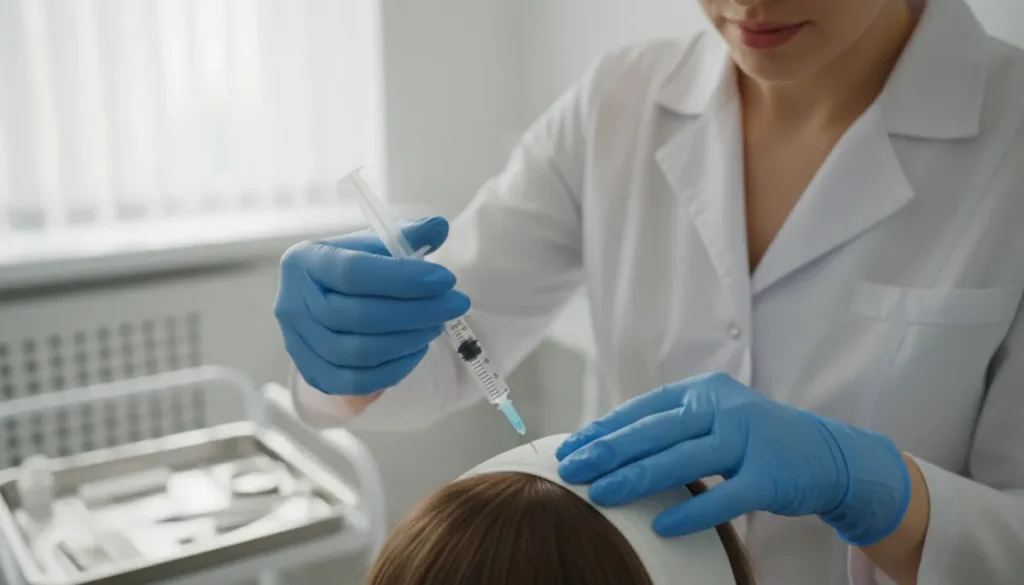
While rare, certain adverse events can occur after PRP therapy. Recognizing these signs early ensures prompt medical attention.
| Complication | Incidence | Typical Onset | Management |
|---|---|---|---|
| Infection | 0.1‑0.5% | 2‑7 days post‑procedure | Antibiotic therapy prescribed by a physician |
| Allergic reaction | ~0.2% | Immediately to 24 hours | Antihistamines or corticosteroids as needed |
| Persistent numbness | Rare | Within first week | Neurological evaluation and possible observation |
| Scarring | Very rare | Weeks to months | Dermatologic assessment, possible laser or silicone therapy |
These complications are uncommon, especially when the procedure is performed by experienced clinicians who follow strict aseptic techniques. Patients with compromised immune systems, active skin infections, or uncontrolled chronic illnesses should discuss these risks thoroughly before proceeding.
Managing and Reducing Side Effects
Proactive after‑care can dramatically lessen the severity of side effects. Below are evidence‑based recommendations that patients can follow at home.
- Cold compresses – Apply for 10‑15 minutes, three times daily during the first 48 hours to curb swelling.
- Gentle cleansing – Use a mild, sulfate‑free shampoo; avoid vigorous rubbing.
- Avoid heat – Refrain from saunas, hot tubs, or intense exercise for at least 48 hours.
- Stay hydrated – Adequate water intake supports plasma circulation and healing.
- Follow medication guidance – If prescribed, take antibiotics or anti‑inflammatories exactly as directed.
Most patients notice that side effects subside within three to five days. If redness or discomfort persists beyond a week, contacting the clinic for a follow‑up is advisable. Gold City Hair provides a post‑treatment hotline to address any concerns promptly.
Who Should Avoid PRP Injections
Although PRP is generally safe, certain individuals are advised to seek alternative hair restoration methods.
- Patients with active skin infections, eczema, or psoriasis on the scalp.
- Individuals taking anticoagulant medication (e.g., warfarin, aspirin) without medical clearance.
- Those with a history of severe allergic reactions to blood products.
- Pregnant or breastfeeding women, as safety data are limited.
- People with uncontrolled diabetes or autoimmune disorders that may impair healing.
During the initial consultation, the specialist will review medical history, perform a scalp assessment, and determine whether PRP is the optimal choice. In cases where PRP is contraindicated, Gold City Hair can discuss surgical options such as FUE or DHI hair transplantation, which have their own risk profiles and benefits.
Comparing PRP Side Effects with Other Hair Restoration Options
Understanding how the side effect profile of PRP stacks up against surgical alternatives helps patients align expectations with their personal tolerance for risk.
| Treatment | Typical Side Effects | Recovery Time | Invasiveness |
|---|---|---|---|
| PRP Injections | Redness, swelling, mild bruising | 1‑5 days | Minimally invasive |
| FUE Hair Transplant | Pain, scabbing, possible folliculitis | 7‑14 days | Surgical extraction |
| DHI Hair Transplant | Similar to FUE, with added risk of graft shock | 7‑10 days | Surgical, using implanter pen |
| Topical Minoxidil | Scalp irritation, unwanted facial hair | Ongoing use | Non‑invasive |
Overall, PRP injections present the mildest side effect spectrum, making them an attractive option for patients seeking a non‑surgical approach. However, the degree of hair regrowth varies, and some individuals may achieve better results with a combined treatment plan.
Why Choose Gold City Hair
Gold City Hair has been delivering personalized hair restoration solutions since 2017, combining state‑of‑the‑art PRP techniques with a commitment to transparent communication. Our team of certified specialists follows strict aseptic protocols, ensuring that the risk of infection or adverse reactions remains exceptionally low. By tailoring each PRP session to the unique needs of the patient, we maximize efficacy while minimizing discomfort. Trust a clinic that prioritizes your confidence and safety throughout every step of the journey.
Ready to explore PRP therapy with confidence? Contact Gold City Hair today to schedule a personalized consultation and discover how our expert team can help you achieve natural, lasting hair growth.
Take the first step toward a fuller, healthier scalp—your transformation begins now.
FAQ
What are the common immediate side effects of PRP injections?
Typical immediate reactions include redness, swelling, minor bruising, soreness, and temporary itching or tingling at the injection sites.
How rare are serious complications like infection after PRP therapy?
Serious complications such as infection occur in roughly 0.1‑0.5% of patients, making them very uncommon when proper aseptic technique is used.
What after‑care steps can reduce side effects from PRP injections?
Key after‑care measures include cold compresses, gentle cleansing, avoiding heat, staying hydrated, and following any prescribed medication regimen.
Who should avoid PRP injections for hair restoration?
Individuals with active scalp infections, anticoagulant use without clearance, severe allergies to blood products, pregnancy, or uncontrolled chronic illnesses should consider alternatives.
How do PRP side effects compare to those of hair transplant procedures?
PRP injections have milder, shorter‑lasting side effects than surgical options like FUE or DHI, which involve pain, scabbing, and longer recovery times.
How does Gold City Hair ensure safety during PRP treatments?
Gold City Hair follows strict aseptic protocols, uses certified specialists, and provides post‑treatment support such as a hotline for any concerns.