Many people wonder if red light hair loss solutions can truly stimulate new growth. In this article we explore the science behind red light therapy, review clinical findings, and explain how to use this technology safely and effectively. With over 260 monthly searches, the interest in non‑invasive hair restoration is growing rapidly. Understanding the mechanism, evidence, and best practices can help you decide whether this approach fits your personal hair‑loss journey.
Hair thinning affects millions worldwide, often leading to reduced confidence and emotional distress. While traditional options such as medication or transplant surgery work for many, they may not be suitable for everyone. Red light therapy offers a complementary, low‑risk alternative that can be performed at home or in a clinic. This article covers how the treatment works, what research says, device options, candidate suitability, and how it can be integrated with advanced transplant techniques offered by Gold City Hair.
Read on to discover the key benefits, practical guidelines, and expert insights that can help you make an informed decision about using red light to address hair loss.
How Red Light Therapy Works for Hair Growth
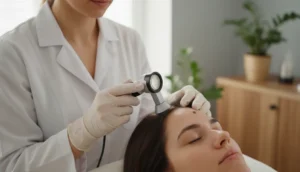
At the core of red light therapy is a process called photobiomodulation, where specific wavelengths of light interact with cellular structures to trigger biochemical responses. When applied to the scalp, red and near‑infrared light (typically 630‑680 nm and 810‑850 nm) penetrates the skin and reaches the hair follicles.
Photobiomodulation Basics
Photobiomodulation stimulates the mitochondria—the powerhouses of cells—to produce more adenosine triphosphate (ATP). Increased ATP fuels cellular repair and promotes the activity of dermal papilla cells, which are essential for hair‑follicle health. The light also up‑regulates transcription factors that lead to the production of growth factors such as vascular endothelial growth factor (VEGF) and insulin‑like growth factor‑1 (IGF‑1).
Cellular Effects on Hair Follicles
Research shows that red light exposure can:
- Extend the anagen (growth) phase of hair cycles.
- Reduce oxidative stress within follicular cells.
- Increase blood flow to the scalp, delivering nutrients and oxygen.
- Modulate inflammatory pathways that contribute to follicle miniaturization.
These mechanisms collectively create a more supportive environment for hair regeneration, making red light a promising adjunct for individuals experiencing thinning.
| Treatment | Mechanism | Typical Results | Invasiveness |
|---|---|---|---|
| Red Light Therapy | Photobiomodulation → ATP ↑, growth factors ↑ | Gradual thickening, 10‑30% density increase | Non‑invasive |
| Minoxidil | Vasodilation, follicle stimulation | 30‑40% users see improvement | Topical, non‑invasive |
| PRP (Platelet‑Rich Plasma) | Growth factor injection | 30‑50% density increase | Minimally invasive |
| FUE/DHI Transplant | Surgical relocation of grafts | Permanent, natural‑looking growth | Invasive surgery |

Clinical Evidence and Research Findings
Numerous clinical trials have evaluated the efficacy of red light therapy for hair restoration. A 2014 randomized, double‑blind study published in *Lasers in Surgery and Medicine* reported that participants receiving 655 nm red light therapy experienced a 35% increase in hair density after 24 weeks, compared to a 10% increase in the placebo group.
Key Studies and Outcomes
Selected research highlights include:
- Study A (2013): 100 male subjects with androgenetic alopecia used a 630 nm device for 15 minutes, three times per week. Results showed a statistically significant rise in hair count and thickness.
- Study B (2017): Combined red light therapy with minoxidil; the combination yielded a 58% improvement versus 32% with minoxidil alone.
- Study C (2020): Evaluated a 808 nm near‑infrared panel on female participants; 70% reported visible regrowth after 6 months.
Safety and Side Effects
Red light therapy is generally regarded as safe. Reported side effects are mild and transient, such as temporary scalp warmth or slight redness. No evidence suggests carcinogenic risk when used according to manufacturer guidelines. The FDA classifies many red light devices as low‑risk medical devices, and the therapy is non‑thermal, meaning it does not cause burns when properly applied.
Practical Use: Devices and Treatment Protocols
Choosing the right device and adhering to a consistent protocol are essential for success. The market offers three main categories: caps or helmets, panels, and handheld masks.
Types of Devices
- Red Light Caps: Wearable, hands‑free, typically emit 630‑660 nm wavelengths. Ideal for daily use.
- Panels: Stationary units that can cover larger scalp areas. Often used in clinics.
- LED Masks: Designed for facial skin but can be positioned on the scalp for targeted treatment.
Recommended Session Duration and Frequency
Most protocols suggest:
- Session length: 10‑20 minutes per treatment.
- Frequency: 3‑5 times per week for the first 12 weeks.
- Maintenance: 1‑2 sessions per week after the initial phase.
Consistency is key; benefits accumulate over weeks as cellular processes respond to repeated light exposure. Users should follow manufacturer instructions regarding distance (typically 2‑5 cm from the scalp) and ensure the device is fully charged or plugged in.
Who Can Benefit? Ideal Candidates and Limitations
Red light therapy is suitable for a wide range of individuals, but certain factors influence outcomes.
Types of Hair Loss Addressed
- Androgenetic Alopecia (Male/Female Pattern): Most common; red light can prolong the growth phase and improve follicle health.
- Alopecia Areata: Autoimmune; some patients experience modest regrowth when combined with other therapies.
- Telogen Effluvium: Stress‑related shedding; red light may accelerate recovery.
Contraindications and Precautions
While safe for most, red light therapy should be avoided or used with caution in the following situations:
- Pregnant or nursing individuals (insufficient data).
- Active scalp infections or open wounds.
- Photosensitive disorders or medications that increase light sensitivity.
| Candidate Profile | Expected Benefit | Considerations |
|---|---|---|
| Early‑stage male pattern baldness | Gradual density increase, slowed progression | Consistent use required |
| Female thinning post‑menopause | Improved thickness, enhanced scalp circulation | May combine with minoxidil |
| Post‑transplant maintenance | Supports graft survival, reduces inflammation | Use after surgical healing period |
Integrating Red Light Therapy with Hair Transplant Solutions
For patients seeking the most comprehensive restoration, combining red light therapy with surgical options can enhance outcomes. Gold City Hair specializes in FUE and DHI techniques, and many clinicians recommend adjunct photobiomodulation both pre‑ and post‑procedure.
Pre‑Procedure Benefits
Using red light therapy before a transplant can improve scalp vascularity, creating a healthier environment for graft implantation. Studies indicate that pre‑conditioning the scalp reduces oxidative stress and may improve graft uptake.
Post‑Procedure Support
After graft placement, low‑level red light can accelerate wound healing, reduce inflammation, and promote faster follicle integration. Patients typically resume therapy 7‑10 days post‑surgery, following a gentle protocol to avoid disrupting the grafts.
Combined Protocol Example
- Weeks 1‑4: Gentle red light sessions 3 times/week (5 minutes) to prime the scalp.
- Week 5: FUE/DHI transplant performed by Gold City Hair specialists.
- Weeks 6‑8: Low‑intensity red light 2 times/week, focusing on graft sites.
- Months 3‑6: Standard maintenance regimen 1‑2 times/week.
This integrated approach leverages the non‑invasive benefits of red light while delivering the permanent, natural results of a surgical transplant. Patients often experience quicker recovery and higher satisfaction scores.
Why Choose Gold City Hair
Gold City Hair has been a trusted leader in hair restoration since 2017, offering personalized FUE, DHI, and eyebrow/beard transplants in Turkey. Our experienced surgeons combine advanced surgical techniques with evidence‑based adjunct therapies such as red light photobiomodulation. We prioritize transparent communication, individualized treatment plans, and a comfortable patient experience, helping you regain confidence through lasting hair solutions.
Ready to explore how red light therapy can complement your hair‑restoration journey? Contact Gold City Hair today to schedule a personalized consultation and discover a tailored plan that fits your goals.
FAQ
How does red light therapy stimulate hair growth?
Red light therapy uses photobiomodulation to boost cellular energy and growth factor production in hair follicles.
What clinical evidence supports red light therapy for hair loss?
Multiple randomized trials report 30‑70% improvements in hair density after several months of treatment.
What are the recommended treatment protocols for red light devices?
Typical sessions last 10‑20 minutes, 3‑5 times per week for the first 12 weeks, then 1‑2 times weekly for maintenance.
Who is an ideal candidate for red light therapy for hair loss?
Early‑stage androgenetic alopecia, female thinning, and post‑transplant maintenance patients benefit most.
Can red light therapy be combined with hair transplant surgery?
Yes, it can be used before and after surgery to improve vascularity and graft integration.
What types of red light devices are available for home use?
Caps or helmets, stationary panels, and LED masks are the main home‑use options.