Many people wonder is hair thinning a sign of cancer when they notice sudden or unexplained loss of volume. While most cases of thinning hair stem from benign factors such as genetics, stress, or hormonal shifts, certain medical conditions—including some cancers—can manifest through changes in the scalp or body hair. Understanding the difference between normal shedding and a potential red flag is essential for early detection and peace of mind.
In this article we will break down the most common reasons for hair thinning, highlight the specific scenarios where it may be linked to cancer, and outline the steps you should take if you suspect an underlying health issue. Whether you are dealing with male pattern baldness, alopecia areata, or simply noticing more hair on your pillow, the information below will help you decide when a routine check‑up is enough and when a deeper medical evaluation is warranted.
According to dermatology studies, up to 40 % of adults experience noticeable hair thinning at some point in their lives, yet only a small fraction of these cases are associated with serious systemic disease. By recognizing the patterns and accompanying symptoms, you can act confidently and seek the right expertise.
Understanding Hair Thinning: Causes and Types
Hair thinning is a broad term that covers a spectrum of conditions, each with distinct triggers and patterns. The most frequent causes include:
- Genetic predisposition (androgenetic alopecia)
- Autoimmune reactions (alopecia areata)
- Hormonal fluctuations (post‑pregnancy, menopause)
- Nutritional deficiencies (iron, vitamin D)
- Physical or emotional stress
- Medications and medical treatments
Below is a simple comparison that helps differentiate benign hair loss from potentially serious origins.
| Feature | Typical Benign Causes | Possible Serious Causes |
|---|---|---|
| Pattern | Gradual thinning at temples or crown | Patchy loss, sudden diffuse shedding |
| Onset Speed | Months to years | Weeks to a few months |
| Associated Symptoms | None or mild itching | Weight loss, fatigue, unexplained bruising |
| Laboratory Findings | Normal blood work | Abnormal hormone levels, elevated tumor markers |
While alopecia and hair loss are often used interchangeably, they refer to slightly different phenomena. Alopecia specifically denotes an autoimmune or disease‑related loss, whereas general hair loss may include shedding due to normal hair cycles. Recognizing these nuances aids in communicating effectively with healthcare providers.
When Hair Changes Signal a Health Issue
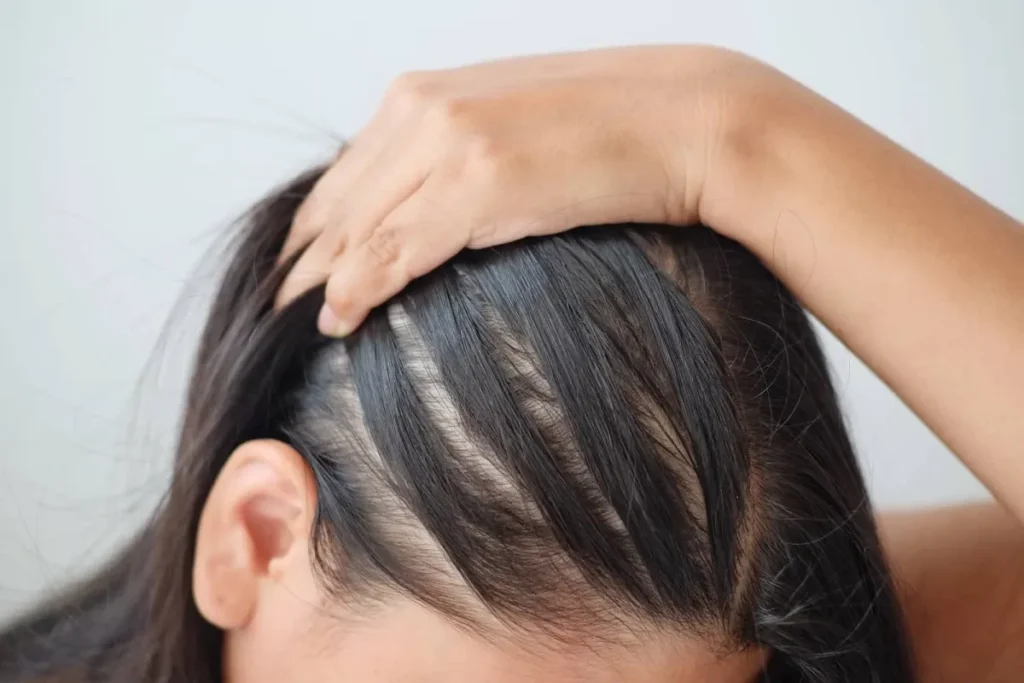
Most instances of thinning hair are harmless, but certain patterns should raise concern. Dermatologists advise paying attention when hair loss is accompanied by systemic symptoms such as unexplained fatigue, persistent fever, or rapid weight changes. In such cases, the question is hair thinning a sign of cancer becomes clinically relevant.
Key warning signs include:
- Sudden, diffuse shedding across the entire scalp.
- Hair loss that coincides with visible skin changes (e.g., new moles, discoloration).
- Concurrent loss of body hair, eyebrows, or eyelashes.
- Persistent itching, pain, or sores on the scalp.
- General health decline—unexplained anemia, night sweats, or swollen lymph nodes.
These symptoms can be linked to several serious conditions, including:
- Leukemia or lymphoma, which may cause a “hairy” rash and rapid shedding.
- Thyroid disorders, especially hyperthyroidism, that accelerate hair cycles.
- Hormonal cancers such as ovarian or prostate cancer, where hormone imbalance influences hair growth.
- Autoimmune diseases that mimic cancer‑related hair loss, like systemic lupus erythematosus.
It is important to note that chemotherapy‑induced alopecia is a well‑known side effect of cancer treatment, but it occurs after a cancer diagnosis, not as an initial warning sign. Therefore, the presence of hair thinning alone does not confirm cancer, yet it can be an early clue when combined with other red flags.
Specific Cancers Linked to Hair Changes
Although hair thinning is rarely the sole indicator of cancer, certain malignancies have documented associations with hair or scalp alterations. Understanding these links helps you ask the right questions during a medical consultation.
Ovarian Cancer
Research shows that hormonal imbalances caused by ovarian tumors can lead to thinning hair, especially in women approaching menopause. The phrase is thinning hair a sign of ovarian cancer appears in several patient forums, reflecting genuine concern. While not definitive, persistent hair loss alongside pelvic pain or bloating warrants a pelvic ultrasound.
Thyroid‑Related Cancers
Both thyroid carcinoma and hyperactive thyroid states can disrupt the hair growth cycle. Patients often report a fine, diffuse thinning rather than distinct bald patches. A thyroid function panel is a quick, inexpensive test that can rule out this cause.
Lymphoma and Leukemia
Blood cancers may present with a “painless” loss of hair due to marrow infiltration affecting rapidly dividing cells, including hair follicles. Accompanying symptoms typically include night sweats, unexplained bruising, and enlarged lymph nodes.
Hormone‑Sensitive Cancers
Prostate and breast cancers, which are driven by androgens and estrogens respectively, can alter hormone levels enough to affect scalp hair density. In men, a sudden increase in hair thinning on the crown may coincide with low testosterone from prostate disease.
Below is a brief overview of these cancers and the typical hair‑related signs reported.
| Cancer Type | Typical Hair Change | Additional Red Flags |
|---|---|---|
| Ovarian | Diffuse thinning, especially frontal | Pelvic pain, bloating, irregular periods |
| Thyroid | Fine, overall thinning | Weight loss/gain, heat intolerance |
| Lymphoma/Leukemia | Rapid, widespread shedding | Night sweats, swollen lymph nodes |
| Prostate/Breast | Patterned thinning linked to hormone shifts | Changes in libido, breast lumps (women) |
Even with these associations, the probability that hair thinning alone signals cancer remains low. Nonetheless, awareness empowers you to seek timely evaluation.
How Doctors Evaluate Hair Thinning
When you present with unexplained hair thinning, a clinician follows a systematic approach to rule out serious causes before considering cosmetic solutions. The evaluation typically includes:
- Medical History Review – Questions about family history of baldness, recent illnesses, medication use, and lifestyle factors.
- Physical Examination – Scalp inspection for pattern, inflammation, or lesions; assessment of other body hair.
- Laboratory Tests – Complete blood count, thyroid panel, iron studies, and, when indicated, hormone levels.
- Dermatoscopic Imaging – Non‑invasive magnification to examine follicle health.
- Biopsy (if needed) – Small skin sample to diagnose alopecia areata or rule out malignancy.
During this process, clinicians also ask targeted questions that help differentiate between androgenetic alopecia and other forms of alopecia. For instance, a pattern that spares the frontal hairline is typical of male pattern baldness, whereas patchy loss on the scalp may suggest alopecia areata.
If initial tests reveal abnormal results—such as elevated thyroid‑stimulating hormone (TSH) or low ferritin—the doctor will refer you to an endocrinologist or hematologist for further work‑up. Only after excluding systemic disease does the conversation shift toward hair restoration options.
Managing Hair Thinning While Investigating Underlying Causes
While awaiting test results, many patients look for ways to minimize the visual impact of thinning hair. Safe, evidence‑based strategies include:
- Gentle hair care: avoid tight hairstyles, harsh chemicals, and excessive heat.
- Nutritional support: ensure adequate protein, iron, zinc, and vitamin D intake.
- Topical treatments: minoxidil (5 %) is FDA‑approved for both men and women.
- Prescription options: finasteride for androgenetic alopecia in men, spironolactone for women with hormonal imbalance.
- Stress management: mindfulness, regular exercise, and adequate sleep can reduce telogen effluvium.
If investigations confirm that hair loss is not linked to a serious medical condition, you may consider permanent restoration. Gold City Hair specializes in advanced techniques such as Follicular Unit Extraction (FUE) and Direct Hair Implantation (DHI), offering natural‑looking results with minimal downtime. Our personalized approach ensures that each patient receives a treatment plan tailored to their specific pattern of hair loss, whether it stems from genetics, previous medical therapy, or traumatic shedding.
Remember, addressing the root cause is always the first priority. Cosmetic solutions are most successful when the underlying health is stable and well‑managed.
Why Choose Gold City Hair
Gold City Hair has been delivering safe, effective hair restoration in Turkey since 2017. Our clinic combines state‑of‑the‑art FUE and DHI techniques with a patient‑focused philosophy that emphasizes transparent communication and individualized care plans. Whether you are dealing with androgenetic alopecia, post‑chemotherapy regrowth, or any form of thinning hair, our experienced surgeons provide results that restore confidence and natural appearance.
Ready to take the next step toward a fuller, healthier head of hair? Contact Gold City Hair today for a personalized consultation and discover how our expert team can help you achieve lasting confidence.
FAQ
Can hair thinning be an early sign of cancer?
Rarely, but sudden, diffuse hair loss together with systemic symptoms can indicate an underlying malignancy.
What warning signs should accompany hair loss to worry about cancer?
Look for sudden diffuse shedding, skin changes, loss of body hair, persistent scalp pain, and systemic symptoms like fatigue or weight loss.
Which cancers are most commonly associated with hair thinning?
Leukemia, lymphoma, thyroid cancer, ovarian cancer, and hormone‑sensitive cancers like prostate or breast cancer can cause hair changes.
How do doctors evaluate hair thinning to rule out serious disease?
They take a detailed history, perform a scalp exam, order lab tests, use dermatoscopic imaging, and may biopsy if needed.
What can I do to manage hair thinning while awaiting test results?
Adopt gentle hair care, ensure proper nutrition, consider FDA‑approved topical treatments, and manage stress.