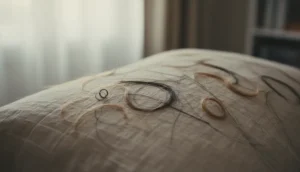
Navigating hair after chemo can be emotionally challenging, yet knowledge empowers patients to plan for a smoother recovery. Chemotherapy often targets rapidly dividing cells, which includes hair follicles, leading to temporary or, in rare cases, permanent hair loss. This article explains the biological reasons behind hair loss, outlines the typical timeline for regrowth, and offers practical strategies to support healthy hair development. According to recent oncology studies, up to 80% of patients experience noticeable hair thinning during treatment, making realistic expectations essential for mental well‑being.
We will review how chemotherapy interacts with hair follicles, what you can anticipate in the months following treatment, and which lifestyle or medical interventions may accelerate regrowth. By understanding the process, you can make informed decisions about grooming, scalp care, and, if desired, future hair restoration procedures. Whether you are newly diagnosed or already on the road to recovery, this guide aims to provide clarity and hope.
Below, we break down the most common questions patients ask: How long does it take for hair to grow back? What factors influence the speed of regrowth? Are there natural ways to promote healthier hair? And when might a professional transplant become a viable solution? Let’s explore each topic in detail.
How Chemotherapy Affects Hair Follicles
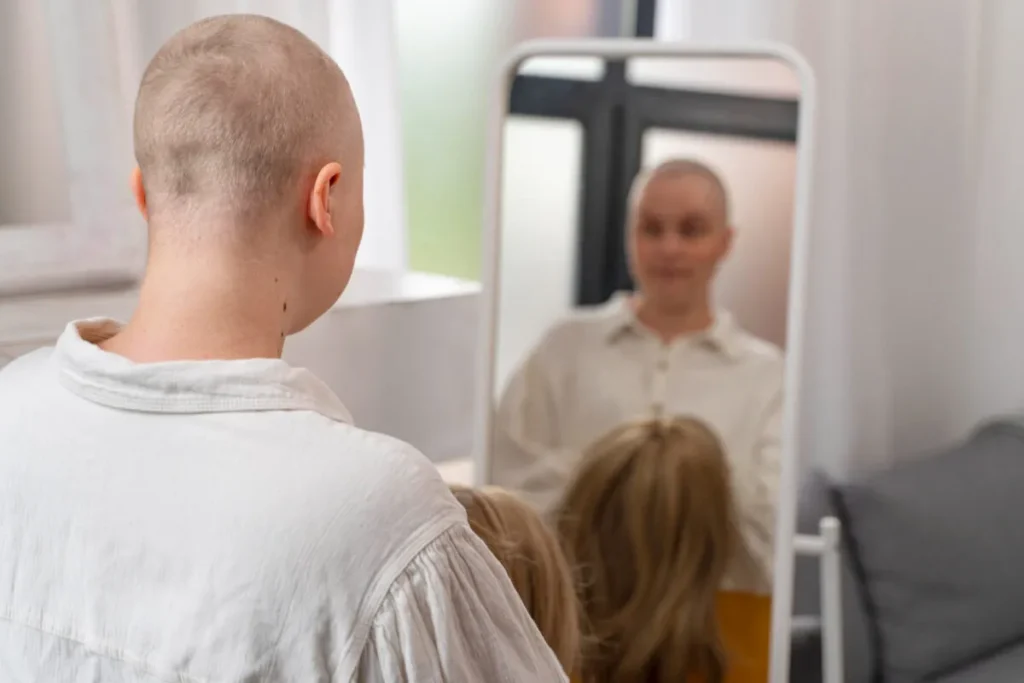
Chemotherapy drugs are designed to attack rapidly dividing cancer cells, but they also affect other fast‑growing cells such as those in the hair matrix. When these cells are damaged, the hair shaft weakens and eventually falls out, a process often referred to as “chemo hair loss.” The severity depends on the type of agents used, dosage, and individual sensitivity. For example, alkylating agents and anthracyclines are known for higher rates of alopecia, while targeted therapies may cause less dramatic shedding.
Understanding the mechanism helps patients anticipate the extent of hair loss. The following table outlines common chemotherapy classes and their typical impact on hair:
| Drug Class | Typical Hair Loss | Notes |
|---|---|---|
| Alkylating agents | High | Often leads to complete baldness during treatment. |
| Anthracyclines | Moderate to high | Hair may thin noticeably but not always fully shed. |
| Taxanes | Moderate | Hair loss can be patchy and slower to appear. |
| Targeted therapies | Low to moderate | Hair changes are usually less severe. |
While the primary concern is the visual change, the psychological impact can be significant. Many patients report feeling less confident or experiencing anxiety about their appearance. Recognizing that hair loss is a temporary side effect for most regimens can alleviate some of the emotional burden.
Timeline for Hair Regrowth After Chemotherapy
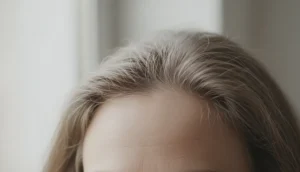
Patients often ask, “how long does it take for hair to grow back?” The answer varies, but most experience some regrowth within three to six months after completing treatment. The first signs are usually fine, down‑yawn hairs that may appear lighter or curlier than before. This phase is sometimes called “chemo curls,” a phenomenon where new hair grows with a different texture.
Below is a typical progression:
- Weeks 1‑4 post‑treatment: Scalp may feel tingling; no visible hair yet.
- Months 2‑3: Fine, often lighter hairs emerge; texture may be altered.
- Months 4‑6: Hair density increases; natural color begins to return.
- Months 7‑12: Full thickness approaches pre‑treatment levels for many patients.
Factors such as age, overall health, and the specific chemotherapy regimen influence this schedule. Some individuals report quicker regrowth, while others may take longer than a year to achieve satisfactory coverage. Importantly, the new hair may initially look different—sometimes “sticking up” or appearing thinner—before settling into a more familiar pattern.
Factors Influencing Hair Growth After Chemo
Several variables can either accelerate or hinder the recovery of hair regrowth after chemo. Recognizing these can help patients adopt supportive habits.
Nutrition: Adequate protein, iron, zinc, and vitamins A, C, D, and E are essential for follicle health. Diets rich in lean meats, legumes, leafy greens, and nuts provide the building blocks for new hair shafts.
Scalp Health: Gentle cleansing and avoiding harsh chemicals reduce irritation. Some patients find that scalp massage stimulates blood flow, potentially enhancing follicular activity.
Stress Management: Elevated cortisol levels can impede hair growth. Practices such as mindfulness, yoga, or light exercise may improve overall recovery.
Medical Interventions: Certain medications, like minoxidil, are FDA‑approved for promoting hair regrowth and can be considered after consulting an oncologist. Low‑level laser therapy (LLLT) has also shown promise in stimulating follicles.
Below is a concise checklist for patients aiming to support hair recovery:
- Maintain a balanced diet with adequate protein and micronutrients.
- Keep the scalp clean but avoid over‑scrubbing.
- Limit heat styling and chemical treatments for at least six months post‑chemo.
- Manage stress through relaxation techniques.
- Discuss minoxidil or other topical agents with your healthcare provider.
Natural and Medical Ways to Support Hair Regrowth
Beyond lifestyle adjustments, there are targeted approaches that can encourage healthier hair after chemotherapy. While no method guarantees faster growth, many patients find these options beneficial.
Topical Treatments: Minoxidil (2% for women, 5% for men) is widely used to stimulate follicular activity. It should be started only after the oncologist confirms that the treatment phase is complete.
Supplements: Biotin, a B‑vitamin, is popular for hair health, though scientific evidence is mixed. A comprehensive multivitamin that includes zinc and selenium may be safer for overall nutrition.
Low‑Level Laser Therapy (LLLT): Devices such as laser combs emit red light that may increase cellular metabolism in hair follicles. Clinical trials have reported modest improvements in hair density for post‑chemo patients.
Natural Oils: Coconut, argan, and rosemary oil have anti‑inflammatory properties. When used as a gentle scalp massage, they can improve circulation and moisturize the skin.
It is crucial to coordinate any supplement or treatment with your oncology team to avoid interactions with ongoing medication. A personalized plan that combines proper nutrition, gentle scalp care, and evidence‑based therapies often yields the best results.
When Hair Restoration Treatments Become an Option
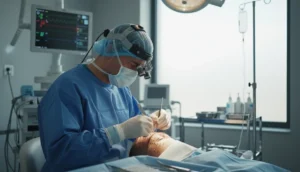
For some individuals, especially those who experience permanent thinning or incomplete regrowth, surgical hair restoration may be considered. Techniques such as Follicular Unit Extraction (FUE) and Direct Hair Implantation (DHI) offer natural‑looking results with minimal scarring. However, candidates should meet specific criteria before pursuing a transplant.
Key considerations include:
- Stable health status: Patients must be free from active cancer treatment for at least 12 months.
- Donor hair availability: Sufficient healthy follicles are required, typically from the back of the scalp.
- Realistic expectations: Transplants can restore density but may not replicate the exact original hair pattern.
Consulting with a qualified hair restoration specialist ensures that the timing, technique, and post‑operative care align with your overall health plan. In many cases, a combination of medical therapies and later surgical options yields the most satisfying outcome.
Why Choose Gold City Hair for Your Hair Restoration Journey
Gold City Hair has been a trusted leader in aesthetic and cosmetic treatments since 2017, offering state‑of‑the‑art FUE and DHI procedures. Our team prioritizes personalized care, transparent communication, and the highest safety standards. With a focus on natural results and patient confidence, we guide you through every step—from initial consultation to post‑procedure follow‑up—ensuring a seamless and supportive experience.
Ready to restore your confidence and explore personalized hair restoration options? Contact Gold City Hair today to schedule a confidential consultation and take the first step toward a fuller, healthier look.
FAQ
How long does it take for hair to grow back after chemotherapy?
Most patients see initial regrowth within 3 to 6 months, with fuller thickness often returning by 12 months.
What factors affect the speed of hair regrowth after chemo?
Age, overall health, type and dosage of chemotherapy, nutrition, scalp care, and stress levels all influence regrowth speed.
Can natural oils help improve hair growth post‑chemo?
Yes, oils like coconut, argan, and rosemary can moisturize the scalp and may boost circulation, supporting healthier regrowth.
Is minoxidil safe to use after completing chemotherapy?
Minoxidil is generally safe after treatment ends, but it should be started only with oncologist approval.
When is it appropriate to consider a hair transplant after chemo?
A transplant can be considered once the patient is cancer‑free, off treatment for at least 12 months, and has stable donor hair.
What dietary nutrients support hair regrowth after chemotherapy?
Protein, iron, zinc, and vitamins A, C, D, and E are key for healthy hair follicle function.