Many patients wonder whether anesthesia can cause hair loss. This article explores the link between surgical sedation and temporary or longer‑term shedding, explains the biological mechanisms involved, and offers practical strategies to minimize the impact on your scalp. According to medical studies, up to 30 % of individuals experience noticeable thinning within weeks of a major operation, a phenomenon often attributed to the stress of surgery and the drugs used during the procedure.
We will examine the types of hair loss most commonly reported after anesthesia, differentiate them from other post‑operative conditions, and outline steps you can take before, during, and after surgery to protect your follicles. Whether you are preparing for a routine dental extraction or a complex abdominal operation, understanding these factors can help you preserve confidence in your appearance.
Finally, we will discuss when it may be appropriate to consider professional hair restoration services, such as those offered by Gold City Hair, to achieve lasting results after the shedding phase has passed.
How Anesthesia Affects Hair Growth
When you undergo surgery, the body experiences a cascade of physiological responses that can disrupt the normal hair cycle. The primary mechanisms include hormonal fluctuations, reduced blood flow to the scalp, and the direct impact of anesthetic agents on follicular cells.
Stress‑Induced Hormonal Changes
Major surgery triggers the release of cortisol and catecholamines, hormones that signal the body to prioritize healing over hair production. Elevated cortisol levels push a larger proportion of hair follicles into the resting (telogen) phase, leading to increased shedding a few weeks later.
Circulatory Factors
General anesthesia often requires controlled ventilation and positioning that can temporarily diminish scalp perfusion, especially during lengthy procedures. Reduced oxygen and nutrient delivery weakens the hair shaft, making it more prone to breakage.
Direct Drug Effects
Some anesthetic agents, such as propofol and volatile inhalational gases, have been associated with temporary follicular toxicity. While the effect is usually reversible, it can accelerate the transition of active (anagen) hairs into the shedding phase.
- Stress hormones (cortisol, adrenaline)
- Decreased scalp blood flow
- Potential follicular toxicity from anesthetic agents
- Post‑operative inflammation
| Anesthesia Type | Typical Duration | Relative Risk of Hair Loss |
|---|---|---|
| General Anesthesia | 30 min – several hours | Medium – stress and circulation factors are highest |
| Regional (Spinal/Epidural) | 15 min – 2 hours | Low – less systemic hormonal impact |
| Local Anesthesia | Minutes – hour | Very Low – limited systemic exposure |

Common Types of Post‑Surgical Hair Loss
Not all hair shedding after surgery is caused directly by anesthesia. Several distinct patterns can emerge, each with its own timeline and underlying trigger.
Telogen Effluvium
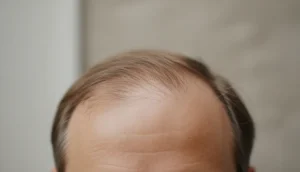
This is the most frequently reported form of post‑operative hair loss. A sudden shift of many follicles into the telogen phase results in diffuse thinning that typically appears 2–3 months after the operation. The condition is self‑limiting; most patients see regrowth within six months once the stressor resolves.
Pressure Alopecia
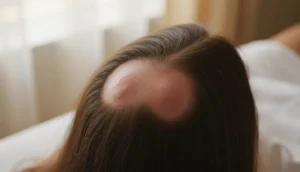
During lengthy surgeries, especially when a patient’s head rests against a hard surface, localized pressure can damage hair follicles. This type of alopecia is usually confined to the area of contact and may become permanent if the pressure was severe or prolonged.
Medication‑Induced Shedding
Some peri‑operative drugs, such as high‑dose steroids or certain antibiotics, can exacerbate hair loss. The effect is often additive to the stress response, making it harder to pinpoint the exact cause.
- Telogen effluvium – diffuse, temporary, peaks 2–3 months post‑surgery
- Pressure alopecia – localized, may be permanent if severe
- Medication‑related shedding – varies with drug type and dosage
Distinguishing Anesthesia‑Related Hair Loss from Other Causes
Because many factors can influence hair health, it is essential to separate the effects of anesthesia from unrelated issues such as nutritional deficiencies, thyroid disorders, or chronic scalp conditions.
Medication Side Effects
Post‑operative painkillers, especially non‑steroidal anti‑inflammatory drugs (NSAIDs), can sometimes trigger temporary shedding. Differentiating this from anesthesia‑related loss requires reviewing the medication timeline and consulting a physician.
Nutrient Deficiencies
Patients who undergo major abdominal surgery may experience malabsorption of iron, zinc, or biotin, all of which are vital for hair growth. Blood tests can help identify deficiencies that might mimic anesthesia‑induced thinning.
| Potential Cause | Typical Onset | Key Indicators |
|---|---|---|
| Anesthesia‑related telogen effluvium | 2–3 months post‑surgery | Diffuse thinning, no scalp inflammation |
| Medication side effects | Within weeks of drug initiation | Correlation with specific medication start |
| Nutrient deficiency | Variable, often gradual | Associated fatigue, brittle nails, anemia |
Managing and Preventing Hair Loss After Surgery
While you cannot completely eliminate the risk of post‑operative shedding, several evidence‑based practices can reduce its severity and support faster regrowth.
Pre‑Operative Preparation
Begin a scalp‑friendly regimen at least two weeks before the scheduled operation. This includes:
- Ensuring adequate intake of iron, zinc, biotin, and vitamin D.
- Reducing stress through relaxation techniques such as deep breathing or meditation.
- Discussing anesthesia options with your surgeon to choose the least invasive method feasible.
Post‑Operative Scalp Care
After the procedure, follow these steps to nurture the follicles:
- Gentle washing with a sulfate‑free shampoo no more than once daily.
- Avoid tight headbands or helmets for the first two weeks to prevent pressure alopecia.
- Consider topical minoxidil (5 %) if you notice early thinning, after consulting a dermatologist.
- Maintain a balanced diet rich in lean protein, leafy greens, and omega‑3 fatty acids.
Clinical research suggests that patients who supplement with biotin (2.5 mg daily) and zinc (30 mg daily) experience a 20 % faster return to baseline hair density compared with those who do not.
When to Seek Professional Hair Restoration
For most patients, post‑operative hair loss is temporary and resolves without invasive intervention. However, certain warning signs indicate that the shedding may become permanent or that underlying follicular damage has occurred.
Red‑Flag Indicators
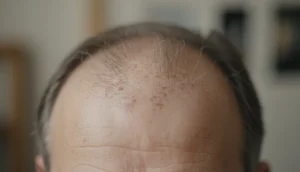
- Persistent bald patches that do not improve after six months.
- Scarring or noticeable texture changes on the scalp.
- Rapid progression of thinning despite optimal nutrition and scalp care.
Restoration Options at Gold City Hair
Gold City Hair specializes in advanced hair transplant techniques such as Follicular Unit Extraction (FUE) and Direct Hair Implantation (DHI). These methods relocate healthy donor follicles to areas of permanent loss, delivering natural‑looking density with minimal downtime. Our team conducts a thorough assessment to determine whether a transplant is appropriate after the post‑surgical shedding phase has stabilized.
Patients who choose Gold City Hair benefit from:
- Personalized treatment plans based on individual scalp anatomy.
- State‑of‑the‑art facilities in Turkey with internationally certified surgeons.
- Transparent communication throughout the pre‑ and post‑operative journey.
Why Choose Gold City Hair
Since 2017, Gold City Hair has helped thousands of clients regain confidence through safe, effective hair restoration. Our expertise in FUE, DHI, and eyebrow/beard transplants ensures a tailored approach for each patient. We prioritize clear communication, meticulous planning, and post‑procedure support, making us a trusted partner for anyone seeking lasting results after hair loss, including cases linked to anesthesia.
Ready to restore your hair and confidence? Contact Gold City Hair today to schedule a personalized consultation and learn how our expert team can help you achieve natural, lasting results.
Take the first step toward a fuller future—your journey begins now.
FAQ
Can anesthesia cause hair loss?
Yes, anesthesia can trigger temporary hair shedding due to stress hormones, reduced scalp blood flow, and drug effects.
What is telogen effluvium and how is it linked to surgery?
Telogen effluvium is a diffuse, temporary hair loss that often follows major surgery due to stress‑induced hormonal changes.
How does pressure alopecia occur during surgery?
Pressure alopecia results from prolonged contact of the scalp with hard surfaces, damaging follicles in the affected area.
What steps can I take before surgery to reduce hair loss risk?
Start a scalp‑friendly regimen two weeks before surgery, focusing on nutrition, stress reduction, and discussing anesthesia options with your surgeon.
When should I consider professional hair restoration after surgery?
If hair loss persists beyond six months, shows scarring, or progresses rapidly despite optimal care, consult a specialist for restoration options.
Is minoxidil safe to use after surgery for early thinning?
Yes, topical minoxidil 5 % can be used after consulting a dermatologist to support early regrowth.