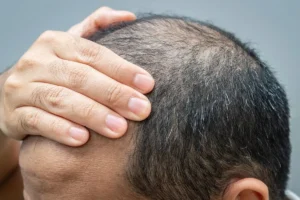
Many wonder if a dermatologist can treat hair loss, and the answer depends on the underlying cause, the stage of thinning, and the patient’s overall health. In the United States alone, approximately 40 % of men experience noticeable hair loss by age 35, while about 21 % of women report significant thinning after menopause. These numbers illustrate why understanding the scope of a dermatologist’s expertise is essential for anyone seeking a solution.
This article will walk you through the diagnostic process a dermatologist uses, the range of medical therapies they can prescribe, when a referral for a hair transplant becomes appropriate, and what lifestyle choices can support hair health. By the end, you’ll know exactly where a dermatologist fits into the broader hair‑restoration journey and how to make an informed decision about your next step.
Whether you are dealing with early‑stage thinning or advanced balding, the right professional guidance can prevent unnecessary procedures, save time, and improve confidence. Let’s explore the science, the options, and the realistic outcomes you can expect.
Understanding the Role of Dermatologists in Hair Loss
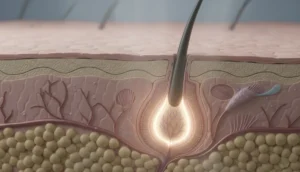
Dermatologists are medical doctors who specialize in skin, hair, and nail disorders. Their training includes extensive coursework in anatomy, pathology, and pharmacology, followed by residency focused on dermatologic conditions. Because hair follicles are part of the integumentary system, a dermatologist is uniquely qualified to assess the root causes of hair loss, ranging from hormonal imbalances to autoimmune disorders.
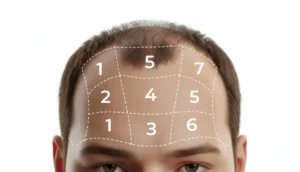
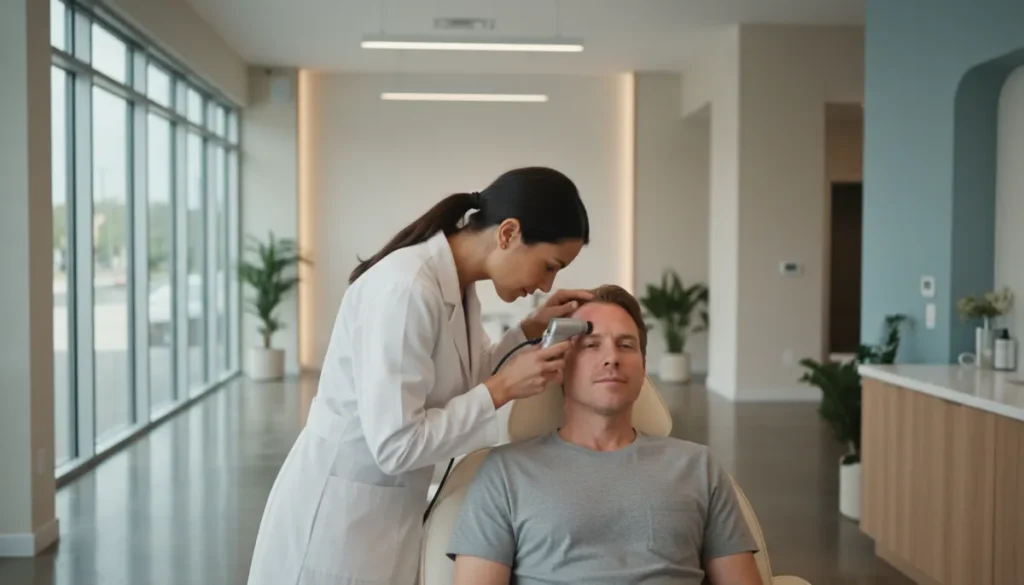
During an initial consultation, the physician conducts a thorough history, physical examination, and often a scalp analysis using a dermatoscope. This tool magnifies the scalp to reveal follicular miniaturization, inflammation, or scarring that might not be visible to the naked eye. In many cases, a dermatologist can identify whether the loss is androgenetic alopecia (pattern baldness), telogen effluvium, alopecia areata, or a secondary condition caused by medication or nutritional deficiency.
- Patient questionnaire covering family history, diet, stress levels, and medication use.
- Physical exam of scalp, hair shaft, and surrounding skin.
- Dermatoscopic imaging to assess follicle health.
- Blood tests for thyroid function, iron levels, and hormonal panels.
| Evaluation Method | What It Reveals | Typical Outcome |
|---|---|---|
| Dermatoscopy | Follicular miniaturization, inflammation | Guides choice of topical vs oral therapy |
| Blood Panel | Hormonal imbalance, anemia, thyroid issues | May lead to systemic treatment before hair‑specific meds |
| Scalp Biopsy (rare) | Scarring alopecia, autoimmune activity | Determines need for immunosuppressive drugs |
Because dermatologists can prescribe both topical and systemic hair loss treatment options, the answer to “can a dermatologist treat hair loss” is often a confident “yes,” especially when the problem is medically driven rather than purely cosmetic.
Medical Treatments Dermatologists Offer
Once a diagnosis is confirmed, dermatologists can recommend a range of evidence‑based medical therapies. The most common first‑line options include topical minoxidil, oral finasteride, and hormone‑balancing treatments for women. These medications target the hair‑growth cycle, either by prolonging the anagen (growth) phase or by reducing the effects of dihydrotestosterone (DHT), the hormone most responsible for follicle miniaturization.
Topical Solutions
Minoxidil (2 % for women, 5 % for men) is an over‑the‑counter vasodilator that stimulates blood flow to the follicles. Clinical studies show that consistent use for at least four months can yield a 10‑15 % increase in hair density. Dermatologists often combine minoxidil with a gentle shampoo or a ketoconazole‑infused scalp wash to reduce inflammation.
Oral Medications
Finasteride, a prescription pill taken daily, inhibits the enzyme 5‑α‑reductase, lowering DHT levels. For men, it has demonstrated up to a 90 % success rate in halting further loss and encouraging regrowth. Women of childbearing age are generally advised against finasteride due to teratogenic risk, but low‑dose oral spironolactone can be effective for female pattern baldness.
Adjunct Therapies
Platelet‑rich plasma (PRP) injections, performed in‑office, concentrate a patient’s own growth factors to rejuvenate dormant follicles. While not a replacement for medication, PRP can accelerate results when used alongside minoxidil or finasteride.
- Minoxidil: Easy to use, suitable for early thinning.
- Finasteride: Highly effective for male pattern loss, requires prescription.
- Spironolactone: Hormonal option for women, monitored for blood pressure.
- PRP: Minimally invasive, enhances existing medical regimen.
These treatments address the underlying biological mechanisms of hair loss and often provide visible improvement without the need for surgery. However, they require patience and adherence; results typically become noticeable after three to six months of consistent use.
When Surgical Intervention Becomes Necessary
Medical therapy works best in the early to moderate stages of hair loss. When the follicular reserve is severely depleted, or when patients seek a more permanent solution, dermatologists often refer patients to a hair‑restoration surgeon. In Turkey, clinics like Gold City Hair specialize in advanced transplant techniques such as Follicular Unit Extraction (FUE) and Direct Hair Implantation (DHI).
Referral criteria typically include:
- Less than 30 % of original hair density remaining.
- Stable pattern of loss for at least 12 months.
- Failed response to at least six months of proven medical therapy.
| Technique | Procedure Highlights | Ideal Candidate |
|---|---|---|
| FUE | Individual follicles harvested with a micro‑punch, minimal scarring. | Patients with short hair or those who prefer concealed donor sites. |
| DHI | Follicles implanted directly using a Choi implanter pen, higher graft survival. | Those seeking denser results in a shorter session. |
| Robotic FUE | Computer‑assisted extraction for precision and speed. | Large‑area coverage with consistent graft quality. |
Even though a dermatologist does not perform the transplant, their assessment ensures that surgery is safe and likely to succeed. They also manage pre‑ and post‑operative care, such as prescribing anti‑inflammatory medication and monitoring for infection.
Lifestyle and Non‑Prescription Options for Hair Health
While prescription drugs address hormonal and genetic factors, everyday habits play a supportive role in maintaining a healthy scalp environment. Dermatologists often recommend a combination of proper nutrition, gentle hair care, and targeted hair growth products to maximize results.
Nutrition and Supplements
Vitamins such as biotin, vitamin D, and zinc have been linked to improved hair strength. A balanced diet rich in lean protein, omega‑3 fatty acids, and antioxidants can also reduce oxidative stress that contributes to follicle aging. For individuals with documented deficiencies, a dermatologist may suggest a tailored supplement regimen.
Topical Hair Growth Products
Over‑the‑counter serums containing caffeine, saw‑palmetto, or peptide complexes can complement medical therapy. While the evidence varies, many patients report reduced shedding when these products are used consistently alongside minoxidil.
Scalp Care Practices
- Use a mild, sulfate‑free shampoo to avoid stripping natural oils.
- Limit heat styling and tight hairstyles that cause traction alopecia.
- Consider regular scalp massages to stimulate micro‑circulation.
Integrating these lifestyle measures does not replace professional treatment, but it can enhance the effectiveness of the therapies a dermatologist prescribes. In many cases, patients who combine medical and non‑prescription strategies see faster and more sustained hair regrowth.
Common Myths About Dermatologists and Hair Loss
Misconceptions can prevent people from seeking the right care. Below are three frequently encountered myths and the facts that debunk them.
Myth 1: Only surgeons can restore hair.
While surgical transplantation offers permanent results for advanced loss, dermatologists can halt progression and stimulate regrowth in early stages using FDA‑approved medications and innovative therapies like PRP.
Myth 2: Over‑the‑counter products are enough for severe balding.
Products such as shampoos and vitamins may improve hair texture but cannot reverse genetic pattern baldness. A dermatologist’s evaluation determines whether stronger prescription options or surgery are necessary.
Myth 3: All hair loss is caused by stress.
Stress can trigger telogen effluvium, a temporary shedding condition, but the most common cause of permanent thinning is androgenetic alopecia, which requires targeted hormonal treatment.
Understanding the limits and capabilities of dermatologic care helps patients set realistic expectations and choose the most effective path forward.
Why Choose Gold City Hair
Gold City Hair combines cutting‑edge transplant techniques with a personalized, transparent approach. Since 2017, our clinic in Turkey has performed thousands of successful FUE and DHI procedures, prioritizing patient comfort and natural‑looking results. Our team collaborates closely with dermatologists worldwide to ensure every candidate receives a comprehensive evaluation before surgery, guaranteeing the safest and most effective treatment plan.
Choosing Gold City Hair means benefiting from experienced surgeons, state‑of‑the‑art facilities, and a commitment to clear communication at every stage of your hair‑restoration journey.
Ready to take the next step toward a fuller, healthier head of hair? Contact Gold City Hair today for a free, no‑obligation consultation and discover the personalized plan that’s right for you.
Our experts are waiting to guide you from diagnosis to lasting results—schedule your appointment now.
FAQ
Can a dermatologist treat hair loss?
Yes, dermatologists can treat hair loss when the cause is medical, using topical, oral, or procedural therapies.
What diagnostic tools do dermatologists use for hair loss?
Dermatologists use patient questionnaires, physical exams, dermatoscopic imaging, blood panels, and occasionally scalp biopsies.
Which medical treatments are most effective for androgenetic alopecia?
Topical minoxidil and oral finasteride are the first‑line, evidence‑based treatments for androgenetic alopecia.
When should a patient be referred to a hair transplant surgeon?
Referral is advised when less than 30 % of original hair density remains, loss is stable for 12 months, and medical therapy has failed.
What lifestyle changes can support hair health alongside medical therapy?
A balanced diet rich in protein, omega‑3s, vitamins, gentle hair care, and scalp massage can enhance treatment results.
Are there common myths about dermatologists and hair loss?
Yes, myths include that only surgeons can restore hair and that dermatologists only treat skin, not hair.