The hair follicle structure is the foundation of every strand of hair on the human body, and grasping its anatomy is essential for anyone interested in hair health or restoration. From the tiny papilla at the base to the visible shaft emerging from the scalp, each component plays a specific role in growth, nourishment, and resilience. Studies show that up to 80% of hair‑related concerns stem from misunderstandings about how follicles function.
In this article we will break down the layers and cells that compose a follicle, explain how they interact during the growth cycle, and discuss the factors that can strengthen or weaken this delicate system. Whether you are considering a transplant, seeking better daily care, or simply curious about the science behind your hair, a clear picture of follicle anatomy will empower you to make informed decisions.
We’ll also highlight how modern transplant techniques, such as those offered by Gold City Hair, align with the natural architecture of the follicle to achieve lasting, natural‑looking results.
1. Anatomy of the Hair Follicle: Key Components
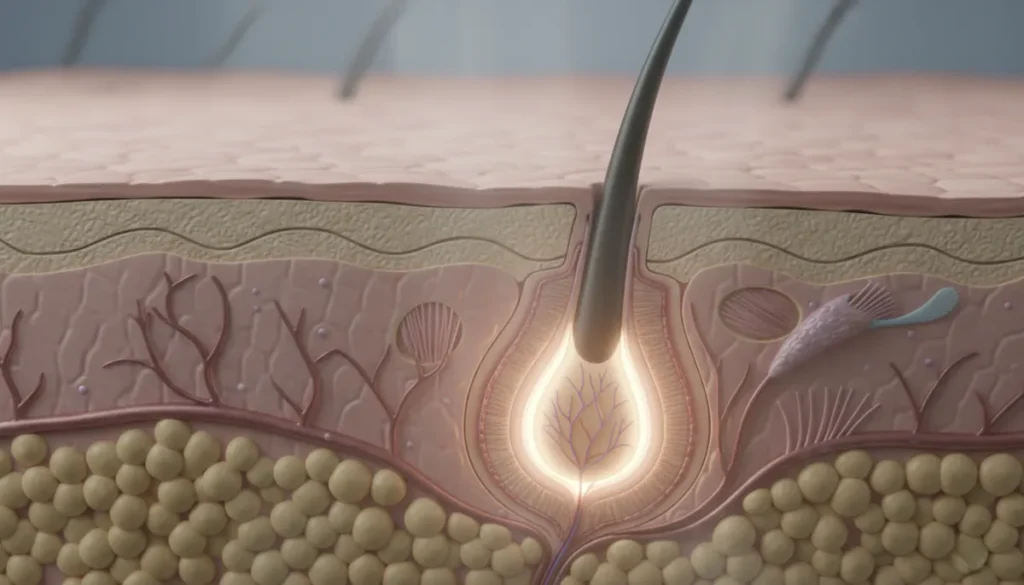
The hair follicle is a complex mini‑organ embedded in the skin. Its architecture can be divided into several distinct zones, each with a unique function.
Hair Bulb and Papilla
At the deepest part of the follicle lies the hair bulb, a rounded structure that houses the matrix cells responsible for producing the hair shaft. Within the bulb, the hair papilla—a cluster of capillaries and connective tissue—delivers essential nutrients and oxygen, fueling rapid cell division during the anagen phase.
Inner and Outer Sheaths
Surrounding the bulb are the inner and outer sheaths, which protect the growing hair and guide it toward the skin surface. The inner sheath (IRS) molds the shape of the emerging strand, while the outer sheath (ORS) anchors the follicle within the dermis.
Hair Shaft and Root
The visible part of the hair is the hair shaft, composed mainly of keratinized cells that are no longer alive. Below the shaft, the hair root extends into the follicle, connecting the shaft to the bulb and papilla.
- Hair Bulb – site of cell proliferation.
- Dermal Papilla – vascular supply and signaling hub.
- Inner Sheath – shapes the emerging hair.
- Outer Sheath – secures the follicle in the skin.
- Hair Shaft – visible, dead keratin structure.
| Structure | Primary Function | Location |
|---|---|---|
| Hair Bulb | Cell division & keratin production | Deepest part of follicle |
| Dermal Papilla | Nutrient delivery & growth signaling | Base of bulb |
| Inner Sheath | Guides and shapes shaft | Just above bulb |
| Outer Sheath | Anchors follicle to dermis | Surrounds inner sheath |
| Hair Shaft | Visible hair strand | Extends out of skin |
2. The Hair Growth Cycle and Its Relation to Follicle Structure
Hair does not grow continuously; it follows a repeating cycle of phases that are tightly linked to the underlying follicle architecture.
Anagen (Growth Phase)
During anagen, the matrix cells in the bulb divide rapidly, pushing the shaft upward. The length of this phase—typically 2‑6 years on the scalp—determines how long a hair can grow. The dermal papilla remains highly active, providing the metabolic support needed for sustained growth.
Catagen (Transition Phase)
In the brief catagen stage (2‑3 weeks), cell division stops, the lower part of the follicle regresses, and the papilla detaches from the bulb. This structural re‑organization prepares the follicle for the next phase.
Telogen (Resting Phase)
Telogen lasts about 3‑4 months. The follicle remains dormant, and the hair shaft is eventually shed. Approximately 10‑15% of follicles are in telogen at any given time, which is normal shedding.
- Anagen – active growth, longest phase.
- Catagen – regression, structural remodeling.
- Telogen – resting, shedding prepares new growth.
Understanding how each phase interacts with the follicle’s anatomy helps clinicians assess why hair loss occurs and which interventions may be most effective.
3. Factors Influencing Follicle Health
Even with a perfectly designed hair follicle structure, external and internal factors can affect its performance.
Nutrition and Blood Supply
The dermal papilla’s capillary network supplies oxygen, amino acids, and micronutrients. Deficiencies in iron, zinc, or biotin can impair keratin synthesis, leading to weaker shafts and increased shedding.
Hormonal Balance
Androgens, especially dihydrotestosterone (DHT), bind to receptors in the follicle’s dermal papilla, shortening the anagen phase in genetically susceptible individuals. This hormonal interaction is a primary driver of male‑pattern baldness.
Genetics and Age
Genetic predisposition determines follicle size, density, and sensitivity to hormones. As we age, the number of active follicles naturally declines, and the remaining ones may produce finer hairs.
- Maintain a balanced diet rich in protein, iron, and vitamins.
- Manage stress, which can disrupt hormonal signaling.
- Consider medical evaluation for hormonal imbalances if hair loss accelerates.
4. Common Follicle‑Related Conditions
When the normal architecture or cycle of the follicle is disrupted, several conditions can arise.
Alopecia Areata
This autoimmune condition causes the immune system to attack the hair bulb, leading to sudden patchy hair loss. The follicle’s structure remains intact, but the inflammatory response halts growth.
Folliculitis
Folliculitis is an infection of the follicle’s opening, often caused by bacteria or fungi. It can result in red bumps, itching, and occasional hair loss if the infection damages the papilla.
Scarring (Cicatricial) Alopecia
Severe inflammation can replace healthy follicle tissue with scar tissue, permanently destroying the follicle’s ability to produce hair. Early intervention is crucial to preserve remaining structures.
| Condition | Primary Follicle Impact | Typical Symptoms |
|---|---|---|
| Alopecia Areata | Immune attack on bulb | Sudden patchy loss |
| Folliculitis | Infection of follicle opening | Red, itchy bumps |
| Scarring Alopecia | Fibrosis replaces follicle | Permanent bald patches |
5. How Hair Transplant Techniques Leverage Follicle Structure
Modern hair restoration procedures, such as Follicular Unit Extraction (FUE) and Direct Hair Implantation (DHI), are designed to work with the natural hair follicle structure rather than replace it with foreign material.
Preserving the Dermal Papilla
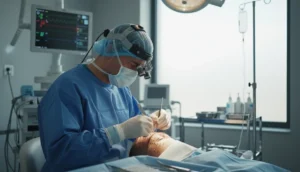
During FUE, individual follicular units are harvested with their papilla intact, ensuring that each graft retains its original blood‑supply network. This maximizes graft survival after implantation.
Optimizing Graft Placement
DHI utilizes a specialized implanter that places grafts at the correct angle and depth, aligning the sheath and bulb with the recipient site’s natural orientation. Proper alignment respects the follicle’s anatomy, leading to a more natural hair direction.
Benefits of Anatomical Alignment
- Higher graft survival rates.
- Natural‑looking hair growth patterns.
- Reduced postoperative shock loss.
Gold City Hair’s expertise in these techniques ensures that each transplanted follicle integrates seamlessly with the existing scalp architecture, delivering lasting, realistic results.
Why Choose Gold City Hair
Gold City Hair has been a trusted name in hair restoration since 2017, offering personalized FUE, DHI, and eyebrow/beard transplants in Turkey. Our team combines advanced medical expertise with transparent communication, ensuring each patient receives a treatment plan that respects their unique follicle anatomy. By focusing on natural results and patient confidence, we deliver outcomes that align with the body’s own hair growth processes.
Ready to restore your confidence with a solution that works with your natural hair follicle structure? Contact Gold City Hair today to schedule a personalized consultation and take the first step toward fuller, healthier hair.
FAQ
What is the structure of a hair follicle?
A hair follicle is a mini‑organ composed of the hair bulb, dermal papilla, inner and outer sheaths, hair shaft, and root.
How does the hair growth cycle work?
Hair grows in three phases: anagen (growth), catagen (transition), and telogen (rest).
What factors influence hair follicle health?
Nutrition, hormonal balance, genetics, and age all affect follicle function.
What are common follicle‑related conditions?
Alopecia areata, folliculitis, and scarring (cicatricial) alopecia are typical disorders.
How do hair transplant techniques preserve follicle structure?
Techniques like FUE and DHI harvest and implant grafts with the papilla and sheath intact, aligning them with natural anatomy.
Why choose Gold City Hair for hair restoration?
Gold City Hair offers experienced FUE and DHI procedures that respect natural follicle anatomy.