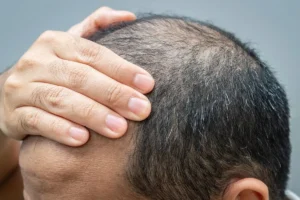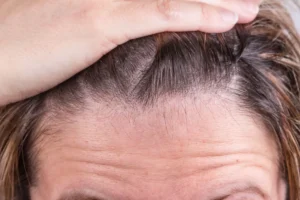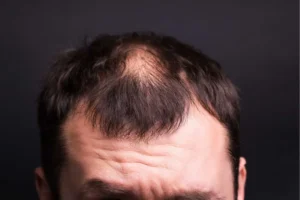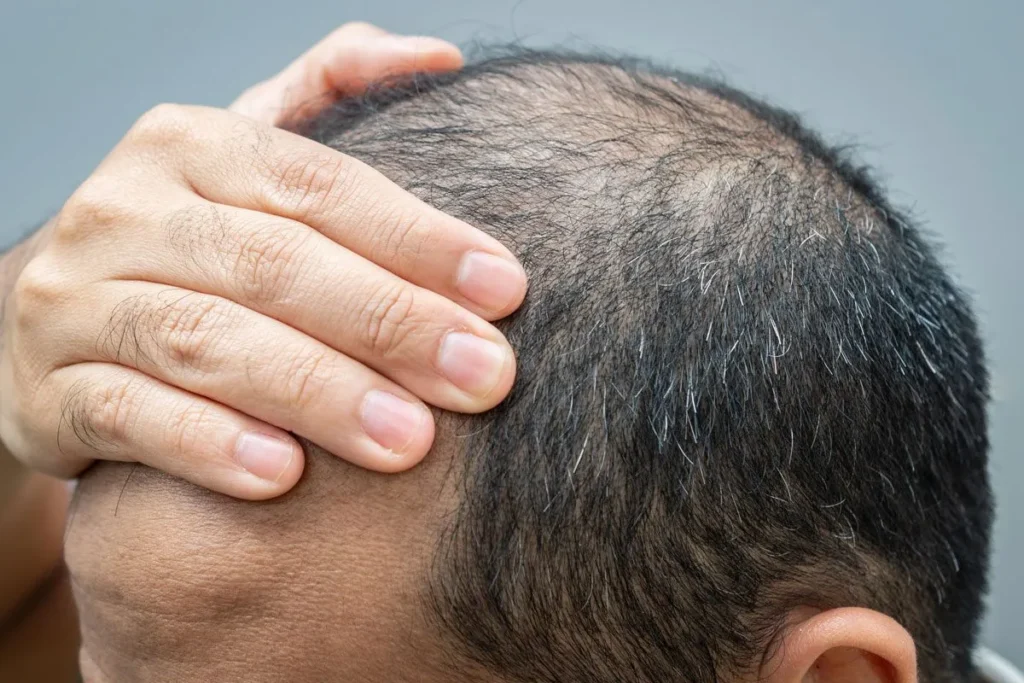
Many people wonder does high cortisol cause hair loss and why stress often shows up as thinning strands on the scalp. Cortisol, the body’s primary stress hormone, plays a crucial role in regulating metabolism, immune response, and the hair growth cycle. When cortisol remains elevated for prolonged periods, it can disrupt the normal balance of hair follicles, leading to increased shedding and slower regrowth. According to recent dermatological studies, up to 30% of individuals experiencing chronic stress report noticeable hair thinning within three to six months.
This article explores the biological mechanisms behind cortisol‑related hair loss, identifies the most common stress‑related hair conditions, and offers practical strategies to lower cortisol levels and protect your hair. Whether you’re dealing with occasional shedding or more pronounced thinning, understanding the hormonal influence is the first step toward effective treatment.
We will also discuss when professional hair restoration, such as the advanced techniques offered by Gold City Hair, becomes a viable option for restoring confidence and a fuller appearance.
How Cortisol Affects the Hair Growth Cycle
Cortisol interacts directly with the hair follicle’s regenerative processes. The hair growth cycle consists of three phases: anagen (growth), catagen (transition), and telogen (rest). Elevated cortisol can shorten the anagen phase while prolonging the telogen phase, causing more hairs to enter the shedding stage simultaneously.
Impact on the Telogen Phase
- Reduced blood flow to the scalp, limiting nutrient delivery.
- Increased production of inflammatory cytokines that trigger follicle miniaturization.
- Disruption of the keratinocyte turnover, leading to weaker hair shafts.
These changes often manifest as telogen effluvium, a condition where a large number of hairs shift into the resting phase and fall out within weeks. While telogen effluvium is usually temporary, persistent high cortisol can lead to chronic thinning.
Common Stress‑Related Hair Loss Conditions
Stress does not affect every scalp in the same way. Several distinct conditions are linked to elevated cortisol and overall stress levels.
| Condition | Primary Trigger | Typical Presentation |
|---|---|---|
| Telogen Effluvium | Acute stress, illness, hormonal shifts | Diffuse shedding, noticeable thinning after 2–3 months |
| Alopecia Areata | Autoimmune response, often worsened by stress | Patchy, round bald spots |
| Androgenetic Alopecia (Stress‑Exacerbated) | Genetic predisposition plus chronic cortisol elevation | Gradual receding hairline or crown thinning |
While telogen effluvium is the most directly linked to cortisol spikes, chronic stress can also accelerate androgenetic alopecia by increasing the activity of dihydrotestosterone (DHT) receptors. Understanding which pattern you’re experiencing helps determine the most effective intervention.
Identifying High Cortisol Levels: Signs and Tests
Before tackling hair loss, confirming whether cortisol is indeed elevated is essential. Several physical signs and diagnostic tools can help you assess your hormonal status.
- Persistent fatigue and difficulty sleeping.
- Weight gain around the abdomen and face.
- Elevated blood pressure or frequent headaches.
- Irregular menstrual cycles in women.
Medical evaluation typically involves one of the following tests:
| Test Type | Sample Required | Typical Timing |
|---|---|---|
| Serum Cortisol | Blood | Morning (8 AM) and afternoon (4 PM) |
| 24‑Hour Urinary Free Cortisol | Urine | Collected over a full day |
| Late‑Night Salivary Cortisol | Saliva | Collected at 11 PM |
Elevated results, especially when correlated with the physical signs above, suggest that cortisol may be contributing to your hair shedding. Discuss these findings with a dermatologist or endocrinologist to develop a targeted plan.
Managing Cortisol to Protect Your Hair
Lowering cortisol is a proactive way to reduce stress‑induced hair loss. Lifestyle modifications, nutritional support, and, when necessary, medical interventions can all play a role.
Lifestyle Strategies
- Practice mindfulness meditation for 10–15 minutes daily.
- Engage in regular moderate‑intensity exercise such as brisk walking or yoga.
- Prioritize 7–9 hours of quality sleep; maintain a consistent bedtime routine.
- Limit caffeine and alcohol intake, both of which can spike cortisol.
Nutritional Support
Foods rich in vitamin C, B‑complex, magnesium, and omega‑3 fatty acids help modulate the stress response. Consider adding:
- Leafy greens (spinach, kale)
- Fatty fish (salmon, mackerel)
- Nuts and seeds (almonds, chia seeds)
- Herbal teas such as ashwagandha or rhodiola, known adaptogens.
Medical Options
In cases where lifestyle changes are insufficient, physicians may prescribe cortisol‑reducing medications or refer you to an endocrinologist for targeted therapy. Always consult a qualified professional before starting any pharmacological regimen.
When to Consider Professional Hair Restoration
If cortisol management and supportive care do not halt the progression of hair loss, it may be time to explore permanent solutions. Modern hair restoration techniques, such as Follicular Unit Extraction (FUE) and Direct Hair Implantation (DHI), provide natural‑looking results with minimal downtime.
- FUE: Individual follicles are harvested and implanted, ideal for patients seeking precision.
- DHI: Uses a specialized pen to place grafts directly, reducing handling and improving graft survival.
- Eyebrow and beard transplants: Targeted solutions for facial hair loss caused by hormonal imbalances.
Gold City Hair, based in Turkey, combines these techniques with personalized pre‑operative assessments to ensure that hormonal factors, including cortisol, are accounted for in the treatment plan. This comprehensive approach maximizes graft retention and long‑term density.
Why Choose Gold City Hair
Gold City Hair has been delivering personalized hair restoration solutions since 2017. Our clinic in Turkey specializes in FUE, DHI, and facial hair transplants, ensuring each patient receives a treatment plan tailored to their unique hormonal profile and aesthetic goals. With transparent communication and a focus on natural results, we help individuals regain confidence and a full, healthy head of hair.
Ready to take control of stress‑related hair loss? Contact Gold City Hair today for a comprehensive evaluation and discover how our expert team can restore your hair and confidence.
FAQ
Does high cortisol cause hair loss?
Yes, prolonged high cortisol can disrupt the hair growth cycle and lead to increased shedding.
How does cortisol affect the hair growth cycle?
Cortisol shortens the growth phase and extends the resting phase of hair follicles.
What is telogen effluvium and how is it related to stress?
Telogen effluvium is a temporary shedding condition triggered by stress that pushes hairs into the telogen phase.
How can I test my cortisol levels?
Cortisol can be measured via serum, 24‑hour urinary free cortisol, or late‑night salivary tests.
What lifestyle changes can lower cortisol to protect my hair?
Mindfulness, regular moderate exercise, adequate sleep, and a balanced diet rich in vitamins and omega‑3s can reduce cortisol.
When should I consider professional hair restoration for stress‑related hair loss?
If hair loss continues despite cortisol management, consult a clinic for FUE or DHI transplantation.